Your Pixel Phone Can Now Help You Fix Frustrating Bluetooth Issues
Google has rolled out a new feature for Pixel phones that aims to simplify troubleshooting Bluetooth connectivity problems, providing users with a built-in tool to diagnose and resolve issues with accessories like earbuds, watches, and car systems.
Introducing Bluetooth Diagnostics for Pixel Devices
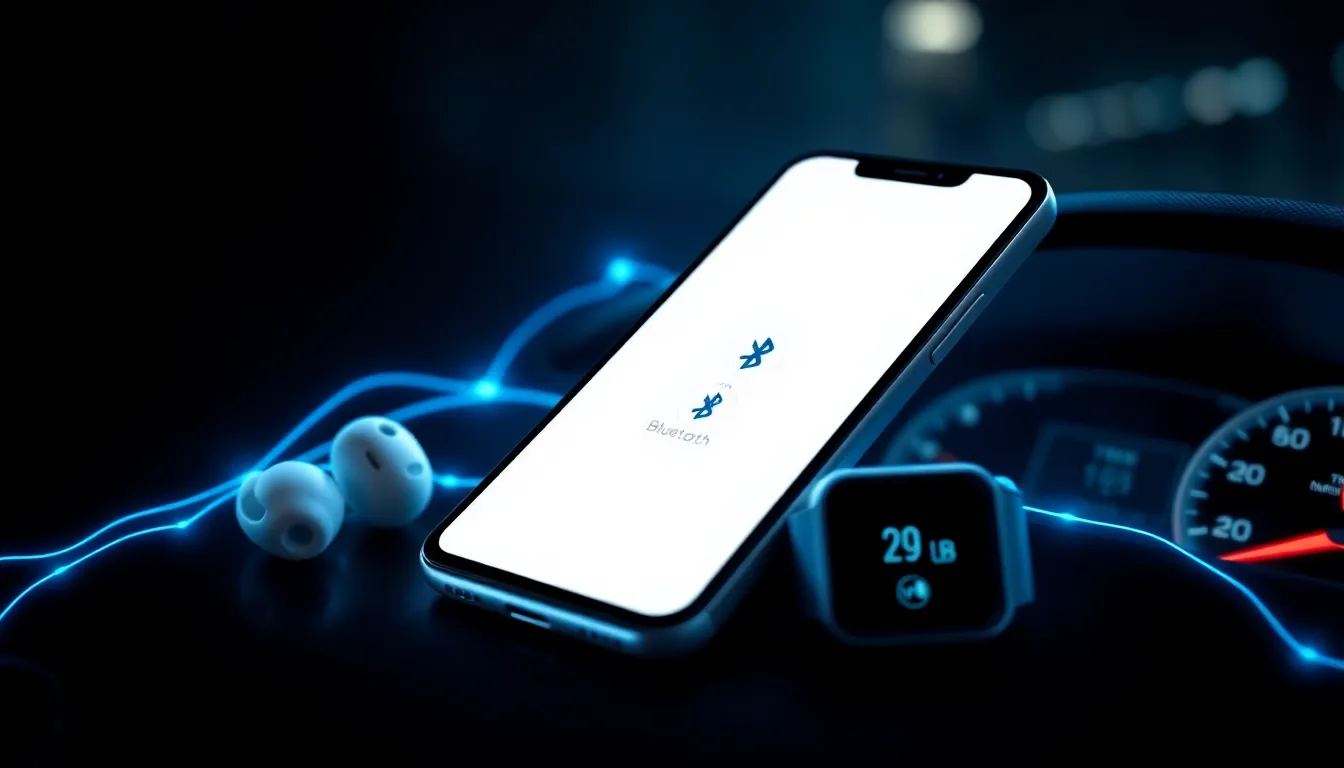
The new "Bluetooth diagnostics" tool is being delivered to Pixel phones through an update to the Pixel Troubleshooting app. This feature allows users to test connections with various Bluetooth accessories, including Pixel Buds, Pixel Watches, and car infotainment systems. It is accessible directly from the Bluetooth settings menu and the Device health and support section on all Pixel devices.
Expanding Pixel's Diagnostic Capabilities
Pixel phones already include several diagnostic tools to address common issues. These include "Touch diagnostics" for display touch problems, "Battery diagnostics" for battery-related concerns, "Device temperature" for overheating issues, and "Troubleshoot mobile connection" for network problems. The addition of Bluetooth diagnostics marks the fifth major diagnostic tool in the Pixel ecosystem, enhancing the phone's ability to self-diagnose and resolve technical glitches without external assistance.
How It Works and User Benefits
The Bluetooth diagnostics tool is designed to be user-friendly, guiding individuals through connection tests with their accessories. By identifying specific issues—such as pairing failures, audio dropouts, or connectivity interruptions—the tool can suggest fixes or reset procedures. This integration into the phone's settings means users no longer need to rely solely on manufacturer support or third-party apps, potentially reducing frustration and downtime associated with Bluetooth problems.
Availability and Implementation
The feature is part of a broader update to the Pixel Troubleshooting app, which is being distributed to Pixel devices gradually. It reflects Google's ongoing effort to improve the user experience by embedding more self-service options into its hardware. As Bluetooth technology becomes increasingly integral to daily device interactions—from audio streaming to wearable connectivity—such tools are likely to become more valuable for maintaining seamless operation.
Conclusion
The introduction of Bluetooth diagnostics on Pixel phones represents a significant step forward in user-centric troubleshooting. By empowering owners to diagnose and address connectivity issues independently, Google is enhancing the reliability and usability of its devices. This move aligns with trends toward more integrated self-repair features in consumer electronics, potentially setting a standard for other manufacturers to follow. As the update rolls out, Pixel users can look forward to fewer disruptions and a smoother Bluetooth experience overall.