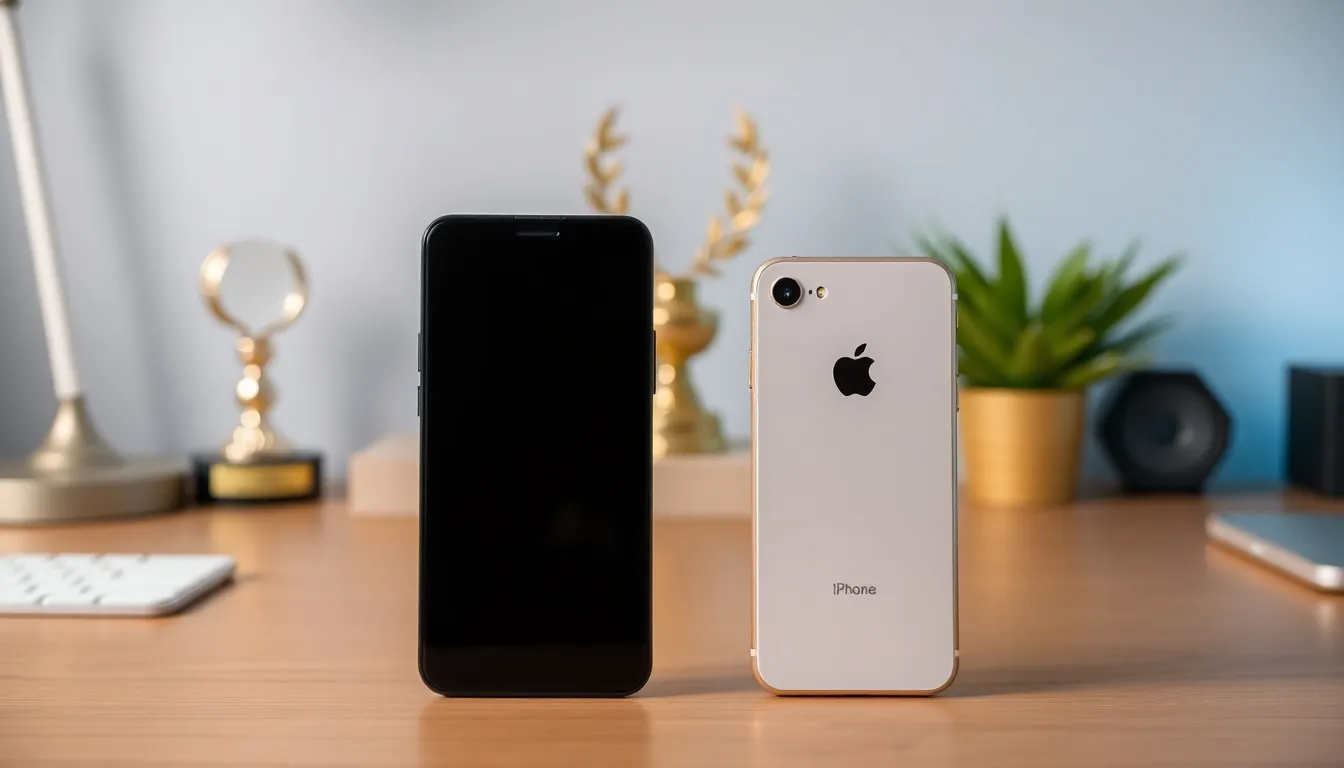
Google Pixel Loses 'Best Smartphone' Crown to iPhone 17 After Back-to-Back Wins
In a notable shift in the premium smartphone landscape, Apple's iPhone 17 has claimed the "Best Smartphone" title this year, ending Google Pixel's two-year reign. The Pixel 8 and Pixel 9 series had previously secured consecutive awards, demonstrating Google's significant progress in hardware and software integration, but the latest iPhone iteration has regained industry recognition.
The Rise and Recent Shift in Smartphone Leadership
Google's Pixel lineup has undergone substantial refinement in recent years, evolving from a niche Android option to a genuine flagship contender. The Pixel 8 and Pixel 9 generations represented peak execution of Google's vision, combining advanced computational photography with clean software and meaningful AI features. These devices earned widespread praise for their camera systems, particularly in computational photography where Google has long excelled, and their software experience that offered both polish and useful innovations.
The consecutive awards highlighted how competitive the premium smartphone market had become, with Google establishing itself as a serious alternative to Apple's dominance. Industry observers noted the Pixel's success reflected not just improved hardware but Google's ability to leverage its AI and software expertise in ways that differentiated its devices from both Apple and other Android manufacturers.
iPhone 17's Return to the Top
This year's recognition of the iPhone 17 suggests Apple has responded effectively to the competitive pressure. While specific evaluation criteria vary, the iPhone 17 appears to have impressed with its overall package—likely including advancements in camera technology, processor performance, and ecosystem integration. Apple's traditional strengths in video recording, processor efficiency, and accessory ecosystem may have been complemented by new features that addressed areas where competitors had gained ground.
The shift also reflects the cyclical nature of smartphone innovation, where manufacturers often leapfrog each other with annual releases. Apple's ability to reclaim the top spot demonstrates the company's continued capacity for refinement and occasional breakthrough innovation, even in a mature market segment.
What This Means for the Smartphone Market
The back-and-forth between Pixel and iPhone for top honors benefits consumers by driving innovation across platforms. Google's success with the Pixel 8 and 9 series pushed Apple to elevate its game, while Apple's response with the iPhone 17 will likely influence Google's future Pixel development. This healthy competition ultimately results in better devices for users, regardless of platform preference.
Looking forward, the competition appears poised to intensify, with both companies investing heavily in AI integration, computational photography, and ecosystem development. The fact that different manufacturers can claim the "best" title in consecutive years suggests the premium smartphone market remains dynamic, with no single company holding a permanent advantage across all evaluation criteria.
Conclusion
The iPhone 17's recognition as this year's best smartphone marks a significant moment in the ongoing competition between Apple and Google. While Google's Pixel series demonstrated remarkable progress with back-to-back awards, Apple has responded with a device that reclaims industry leadership. This development underscores the competitive intensity in the premium smartphone segment, where innovation cycles rapidly and consumer expectations continue to rise. For smartphone enthusiasts, the real winner is the accelerated pace of improvement driven by this high-stakes rivalry.