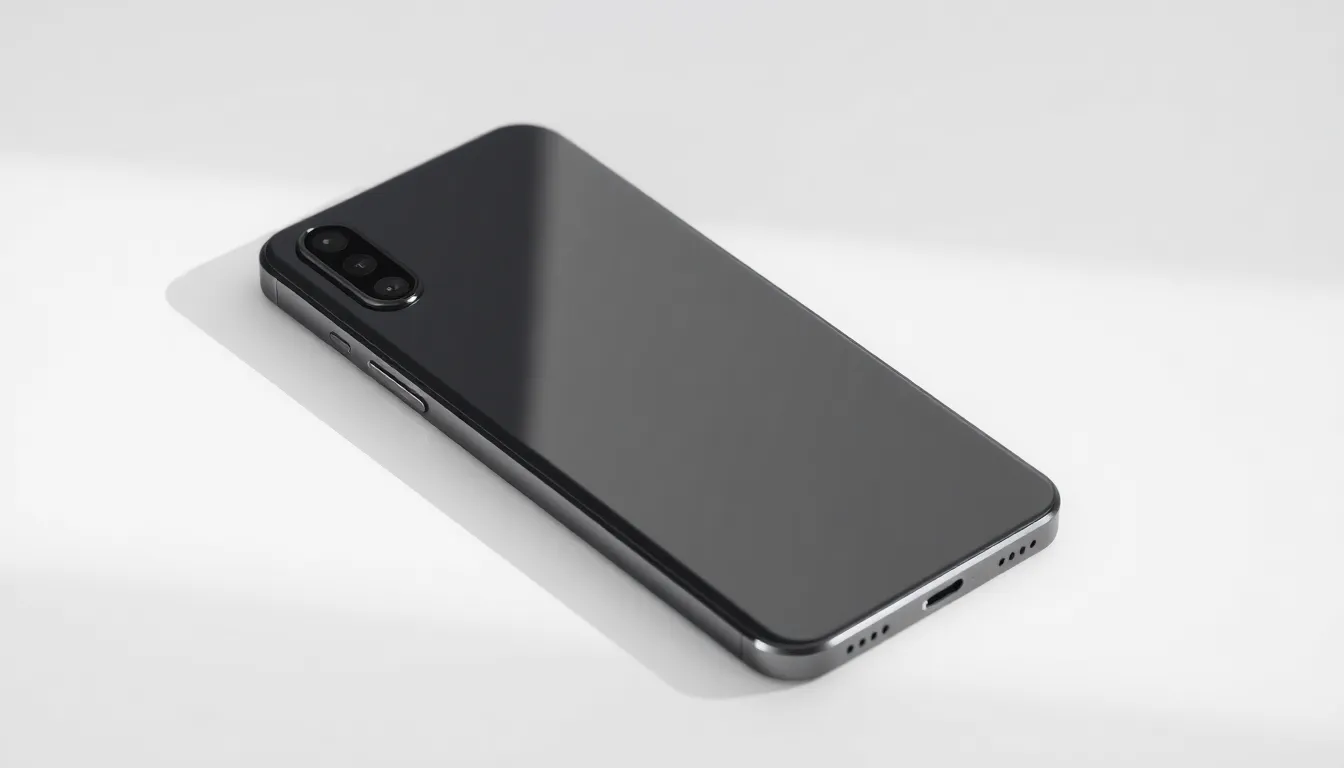
Google Pixel 10a Hands-On: A Familiar Yet Capable Budget Contender
Google's latest entry in its affordable A-series, the Pixel 10a, arrives with a sense of déjà vu. Positioned as a budget-friendly smartphone, it carries forward much of what made its predecessor appealing while introducing subtle refinements. This hands-on examination explores whether these updates justify attention in a competitive market.
Design and Build: Subtle Refinements
The Pixel 10a features a design that will be immediately recognizable to anyone familiar with recent Pixel A-series models. The most notable change is a completely flat back panel, departing from the curved edges of previous iterations. The device maintains a compact form factor at 153.9 x 73.0 x 9.0mm and 183g, with an aluminum frame and plastic back construction.
Build quality feels solid, with IP68 dust and water resistance providing peace of mind for everyday use. The front glass has been upgraded to Gorilla Glass 7i, offering improved durability over previous models. New color options with matching cases provide some fresh visual appeal, though the overall aesthetic remains conservative and functional.
Display and Hardware
The Pixel 10a sports a 6.3-inch P-OLED display with a 1080x2424 pixel resolution, delivering sharp visuals at 422 pixels per inch. The 120Hz refresh rate ensures smooth scrolling and responsive touch interactions, while HDR support and impressive brightness levels—2000 nits for high brightness mode and 3000 nits peak—make content consumption enjoyable even in bright conditions.
Under the hood, the device is powered by Google's Tensor G4 chipset, paired with 8GB of RAM and either 128GB or 256GB of UFS 3.1 storage. This hardware configuration provides capable performance for everyday tasks, though it represents no significant upgrade over the previous generation. The inclusion of stereo speakers enhances multimedia experiences, while the under-display optical fingerprint sensor offers reliable biometric authentication.
Camera System
The camera setup mirrors that of its predecessor, featuring a 48MP main sensor with optical image stabilization and dual-pixel autofocus, accompanied by a 13MP ultrawide lens. The front-facing camera utilizes a 13MP ultrawide sensor for selfies and video calls. This configuration has proven capable in previous iterations, delivering Google's signature computational photography benefits including excellent dynamic range and color reproduction.
Video capabilities include 4K recording at up to 60fps from the rear cameras and 4K at 30fps from the front, with gyro-EIS and OIS stabilization ensuring smooth footage. While the hardware may not represent an advancement, Google's software processing continues to extract impressive results from these sensors.
Software and Battery
The Pixel 10a launches with Android 16 and benefits from Google's commitment to extended software support, with promises of up to seven major Android upgrades. This represents one of the device's strongest value propositions, ensuring longevity that exceeds most competitors in the budget segment.
A 5100mAh battery provides solid endurance, supported by 30W wired charging that can reach 50% in approximately 30 minutes. Wireless charging at 10W and bypass charging functionality add convenience for various usage scenarios. Connectivity features include 5G support, eSIM capability, Wi-Fi 6, Bluetooth 6.0, NFC, and satellite SOS support for emergency situations.
Conclusion
The Google Pixel 10a presents a familiar proposition with incremental improvements. The flat-back design, updated Gorilla Glass protection, and fresh color options offer subtle refinements to an established formula. While the core hardware—including the Tensor G4 chipset, display specifications, and camera system—remains largely unchanged from the previous generation, the device benefits from Google's continued software optimization and extended update commitment.
For users seeking a compact, well-built Android smartphone with reliable performance, capable cameras, and long-term software support, the Pixel 10a represents a solid choice. However, those expecting significant hardware advancements or differentiation from its predecessor may find the iterative nature of this release less compelling. Ultimately, the device succeeds as a competent budget option that prioritizes refinement over revolution.