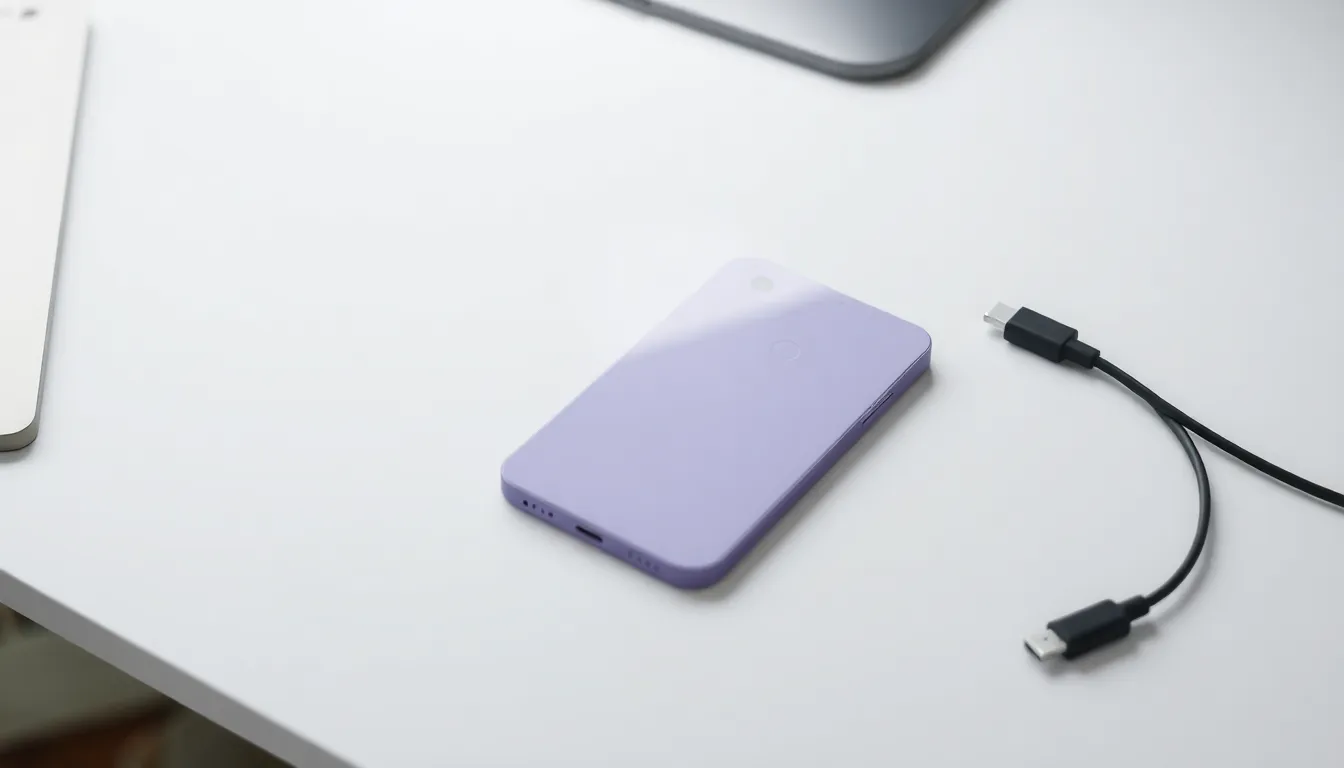
Google Pixel 10a Arrives for Testing: A Familiar Formula with Subtle Upgrades
The Google Pixel 10a has officially landed for review, marking the latest entry in Google's popular budget-friendly 'a-series' lineup. The device has already generated significant discussion, with reactions ranging from excitement to criticism over its evolutionary approach. This model continues the series' tradition of offering a core Pixel experience at a more accessible price point, aiming to attract buyers in markets where premium alternatives are limited.
What's in the Box and Pricing
The Pixel 10a ships with a USB-C cable and a SIM tool. Pricing starts at €549 for the 12GB RAM with 128GB storage configuration, rising to €649 for the 12GB/256GB variant. Color options include Lavender, Berry (a light pink), Fog (silver), and Obsidian (black). Notably, Google continues to sell the previous-generation model at a reduced price of €399, presenting a clear value alternative for cost-conscious consumers.
Specifications and Key Upgrades
At its core, the Pixel 10a maintains much of the DNA from its predecessor. It features the same 4nm Tensor G4 system-on-chip, a 6.3-inch 1080p P-OLED display with a 120Hz refresh rate, an identical camera system, and a 5,100mAh battery. The physical design and in-hand feel are also reported to be nearly identical—compact, lightweight, and smooth to operate.
However, several key improvements distinguish the new model. The display is slightly brighter, and the front glass is now Gorilla Glass 7i. A significant addition is Satellite SOS support for emergency connectivity. Charging speeds have also seen a bump, with wired charging increasing to 30W (up from 23W) and wireless charging now supporting 10W (up from 7.5W).
Initial Impressions and Market Position
Initial handling suggests the phone retains the excellent ergonomics and smooth software performance that define the Pixel series. The combination of Google's software optimization and the high-refresh-rate display contributes to a fluid user experience.
The device's market strategy appears calculated. By offering only incremental upgrades, Google provides a compelling option for new buyers seeking a balanced, capable Android phone with the company's software support and security promises. Simultaneously, the continued availability of the older, nearly identical model at a lower price creates a tiered offering that can capture both budget-focused and feature-seeking segments of the market. This approach allows Google to cater to a broad audience while maximizing the lifecycle of its core hardware platform.
Conclusion
The Google Pixel 10a represents a strategic iteration rather than a revolutionary redesign. For potential buyers, the decision may hinge on whether the new features—namely the brighter display, Satellite SOS, and faster charging—justify the price premium over the still-available previous model. For Google, this release seems designed to sustain interest in the affordable Pixel segment, leveraging a proven formula to maintain its presence in competitive global markets. Full testing will determine how these subtle updates translate into real-world performance and value.