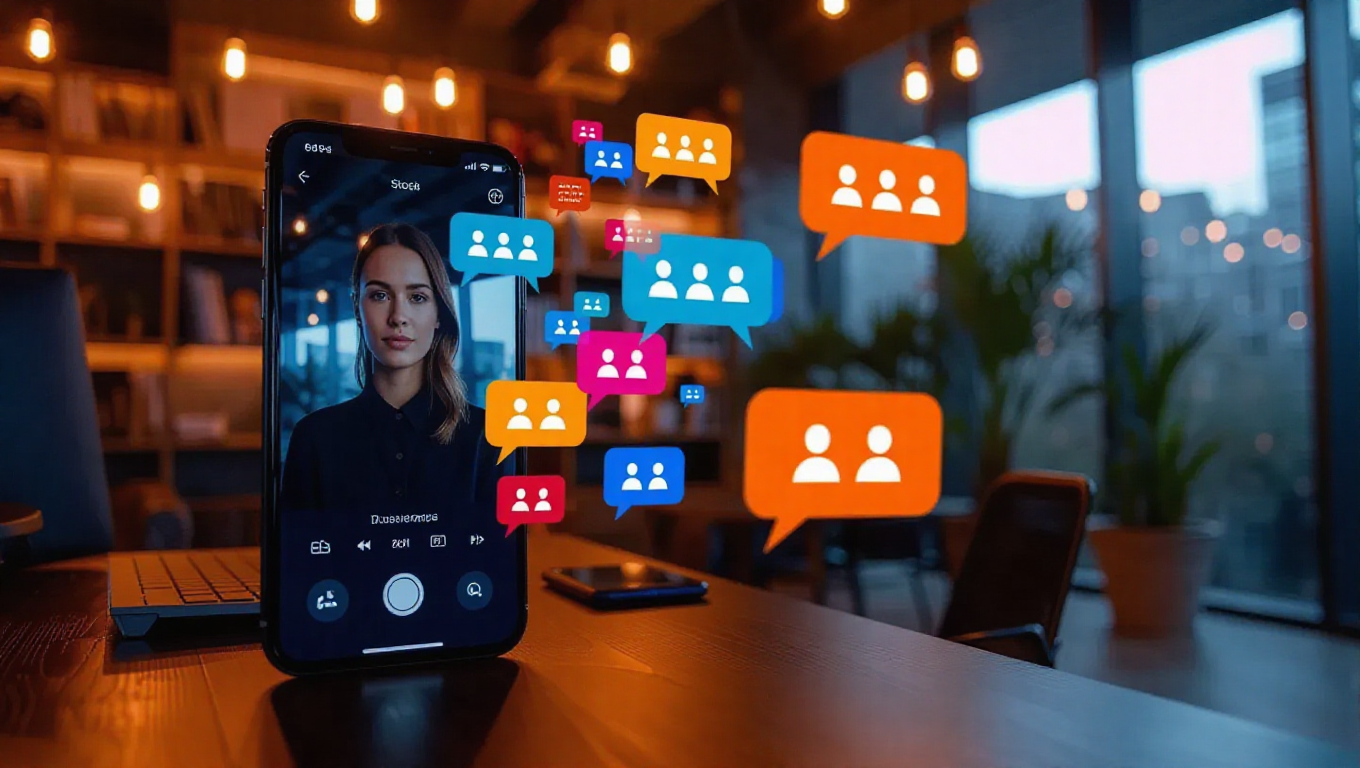
Google Meet's Universal Translator Feature May Soon Expand to Mobile Devices
Google Meet's real-time speech translation capabilities, which have been transforming how users communicate across language barriers, appear poised for a significant expansion. While this feature has been available to users with Google's paid AI subscriptions, it has remained limited to computer platforms. Recent developments suggest this limitation may soon change as evidence emerges pointing toward mobile implementation.
From Desktop to Pocket: The Mobile Transition
The universal translator concept, once relegated to science fiction, has been gradually materializing through various translation applications. However, seamless real-time translation that allows users to hear foreign speakers in their native language represents a significant technological leap. Google initially announced plans for this feature in Meet last year, and while it has since been rolled out to subscribers, mobile users have been notably excluded from accessing this functionality.
Recent findings in the Meet Android application reveal what appears to be early evidence of Google preparing to bring speech translation capabilities to mobile devices. This development marks a potential turning point in making real-time multilingual communication more accessible and portable than ever before.
Implementation Questions Remain
While the signs point toward mobile expansion, several key questions about implementation remain unanswered. It's unclear whether this feature would be available across all Android devices or limited to specific hardware configurations. Additionally, the subscription model question persists - whether users would still need Google's paid AI subscription to access mobile translation features, or if some functionality might become more broadly available.
The current computer-based implementation has demonstrated the technical feasibility of real-time speech translation within video conferencing environments. Expanding this to mobile platforms would represent a natural progression, particularly as remote work and global collaboration continue to evolve beyond traditional office settings.
The Future of Cross-Language Communication
The potential mobile expansion of Google Meet's translation capabilities aligns with broader trends in technology accessibility and global connectivity. As mobile devices become increasingly powerful and sophisticated, they're well-positioned to handle the computational demands of real-time speech processing and translation.
This development also reflects the growing expectation that communication tools should work seamlessly across all devices. Users increasingly expect feature parity between desktop and mobile versions of applications, particularly for productivity and collaboration tools that have become essential for modern work and personal communication.
Conclusion
The evidence suggesting Google Meet's universal translator feature may soon reach mobile devices represents an important step toward more accessible cross-language communication. While details about implementation specifics remain to be clarified, the potential expansion from computers to Android handsets could significantly increase the utility and reach of this technology. As the lines between science fiction and reality continue to blur in the translation technology space, mobile implementation would bring us one step closer to truly seamless global communication, available wherever users happen to be working or connecting.