Google Enhances Pixel Connectivity with Android 16 Update
Google is addressing a persistent frustration for Pixel users by refining its network management system in the latest Android 16 beta. The update transforms a previously opaque feature into a set of clear, user-controllable options, aiming to improve both connectivity reliability and battery efficiency.
From Vague Switch to Clear Controls
For years, Pixel smartphones have included an "Adaptive Connectivity" setting. This single toggle operated in the background, automatically managing how the device switched between Wi-Fi and mobile data to balance performance and battery life. However, its functionality was not transparent to users, who often had little insight into when or why their phone would switch networks, sometimes leading to dropped connections or unexpected data usage.
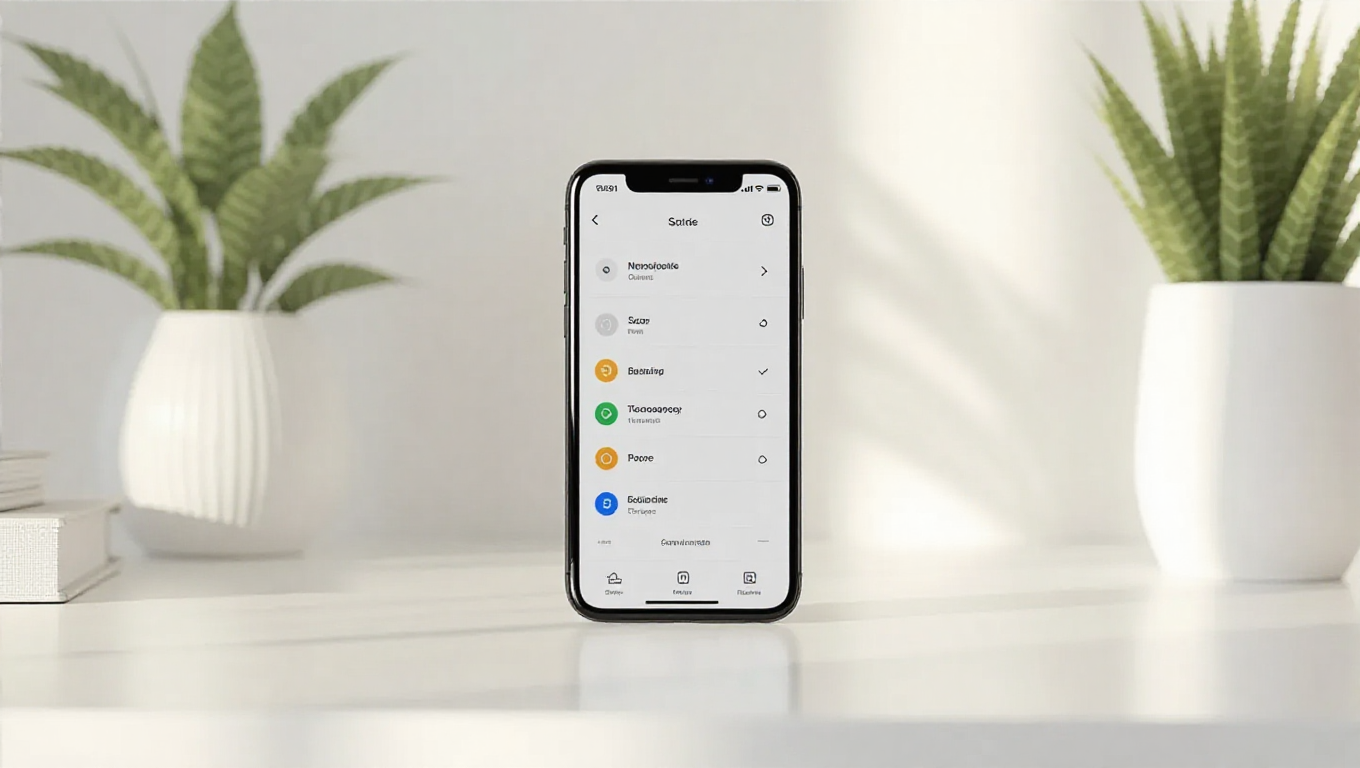
The Android 16 QPR3 Beta 2 update fundamentally changes this approach. Instead of one ambiguous switch, the system now presents two distinct toggles within the settings. This redesign gives users direct control over specific network behaviors that were previously handled automatically and opaquely.
New Toggles for Smart Switching and Battery Life
The first new option is "Auto-switch to mobile network." When enabled, this feature allows the phone to automatically transition to cellular data if the connected Wi-Fi network becomes too weak or unstable to maintain a reliable connection. This is designed to prevent situations where a user remains stuck on a barely functional Wi-Fi signal, ensuring continuous internet access for calls, messaging, and browsing. The trade-off is the potential for increased mobile data usage, which the setting now makes explicitly clear.
The second toggle is "Optimize network for battery life." This setting prioritizes power efficiency in how the phone manages its radios and searches for networks. By focusing on battery conservation, it can help extend the time between charges, which is a key consideration for many users. Both of these toggles are reportedly enabled by default in the beta, reflecting Google's recommended configuration for a balanced experience.
A Step Toward User Transparency
This update represents a significant shift in philosophy for Google's connectivity management. By breaking down the monolithic Adaptive Connectivity feature into its component parts, the company is providing much-needed transparency. Users can now understand the specific actions their phone might take—like switching to mobile data—and make informed choices based on their individual needs, whether prioritizing an uninterrupted connection or maximizing battery endurance.
The changes, currently available in the beta channel, suggest Google has listened to long-standing feedback about connectivity unpredictability on Pixel devices. Offering granular control aligns with a broader trend in smartphone software toward user empowerment and customizable experiences.
Conclusion
The refinement of network controls in Android 16 marks a welcome improvement for the Pixel ecosystem. By replacing a vague, all-in-one switch with dedicated toggles for auto-switching and battery optimization, Google is giving users clearer insight and direct authority over their device's connectivity behavior. This update has the potential to resolve one of the more common pain points reported by Pixel owners, leading to a more reliable and predictable user experience once the stable version rolls out widely.