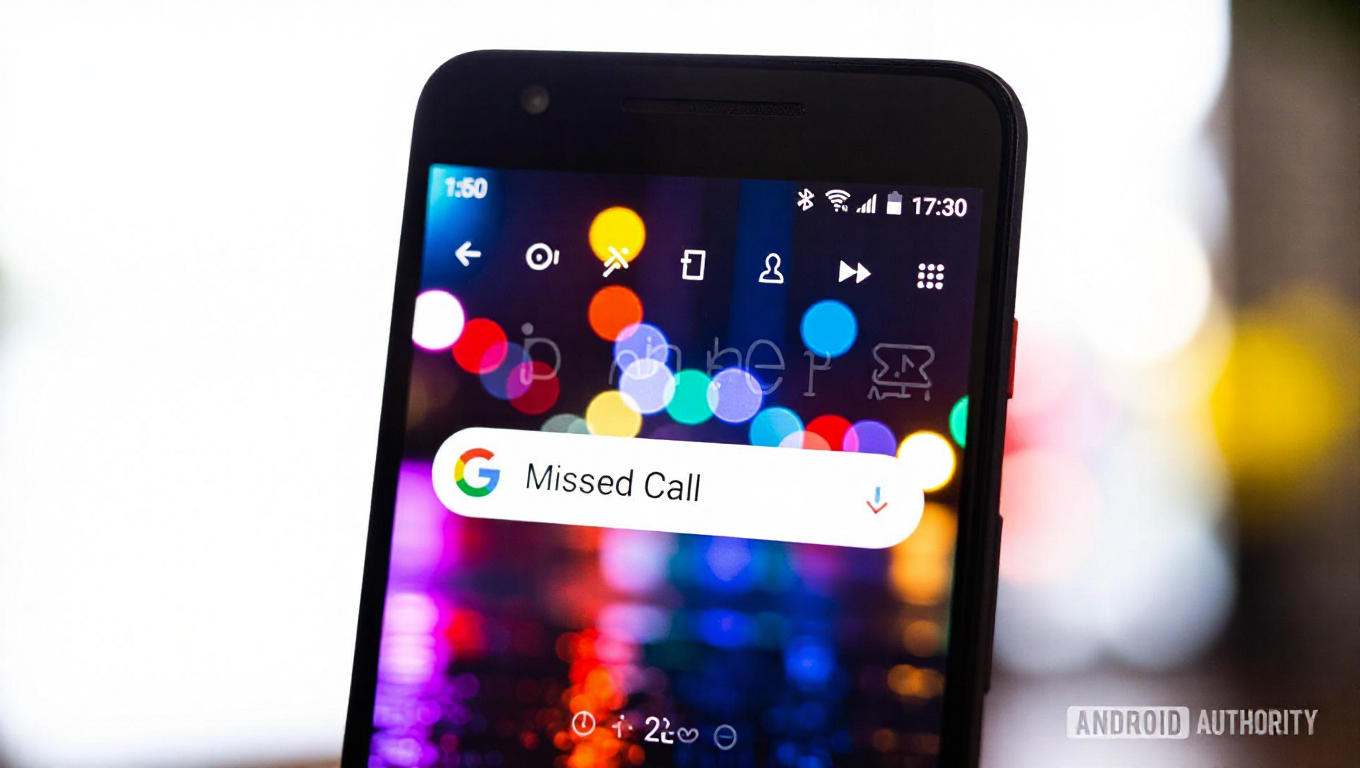
Google Disables Take a Message Feature on Select Pixel Phones Over Privacy Concerns
Google has taken action to address a privacy vulnerability affecting some of its older Pixel smartphones. The company has disabled the "Take a Message" feature on a limited number of Pixel 4 and Pixel 5 devices following reports that the feature could inadvertently expose background audio to callers during missed calls.
Privacy Issue Identified
The problem emerged when users reported that callers attempting to reach them could sometimes hear ambient sounds from the phone's environment instead of receiving the intended prompt to leave a voicemail message. This created a potential privacy risk where unintended audio could be transmitted without the phone owner's knowledge or consent during a missed call scenario.
Google's investigation determined that the issue affects what the company describes as "a very small subset" of Pixel 4 and Pixel 5 devices, and only under "very specific and rare circumstances." Despite the limited scope of the problem, the company opted to disable the feature on affected devices as a precautionary measure.
Feature Functionality and Alternatives
The Take a Message feature was designed to provide a more seamless experience for handling missed calls. When enabled, it would automatically answer calls and prompt callers to leave a message if the phone owner didn't answer. This was part of Google's broader Call Screen functionality that helps manage incoming calls.
While Take a Message has been disabled on affected devices, other call management features remain available. Both manual and automatic Call Screen functionality continue to work normally, and callers can still use standard carrier voicemail services as an alternative method for leaving messages.
Response and Resolution
Google's response to the privacy concern demonstrates the company's cautious approach to potential security vulnerabilities. By proactively disabling the feature rather than waiting for a software patch, the company prioritized user privacy over feature availability for the affected devices.
The decision affects only specific Pixel 4 and Pixel 5 models, with newer Pixel devices and the majority of older models continuing to function normally. Users of affected phones will notice the Take a Message option is no longer available in their Phone app settings.
Conclusion
This incident highlights the ongoing challenges in balancing innovative features with user privacy protection in modern smartphones. While the Take a Message feature offered convenience for handling missed calls, its potential privacy implications led Google to disable it on vulnerable devices. The company's swift action reflects growing industry awareness of privacy concerns, even when issues affect only a small percentage of users under specific conditions. As smartphone features become increasingly sophisticated, manufacturers continue to navigate the complex relationship between functionality, convenience, and user privacy protection.