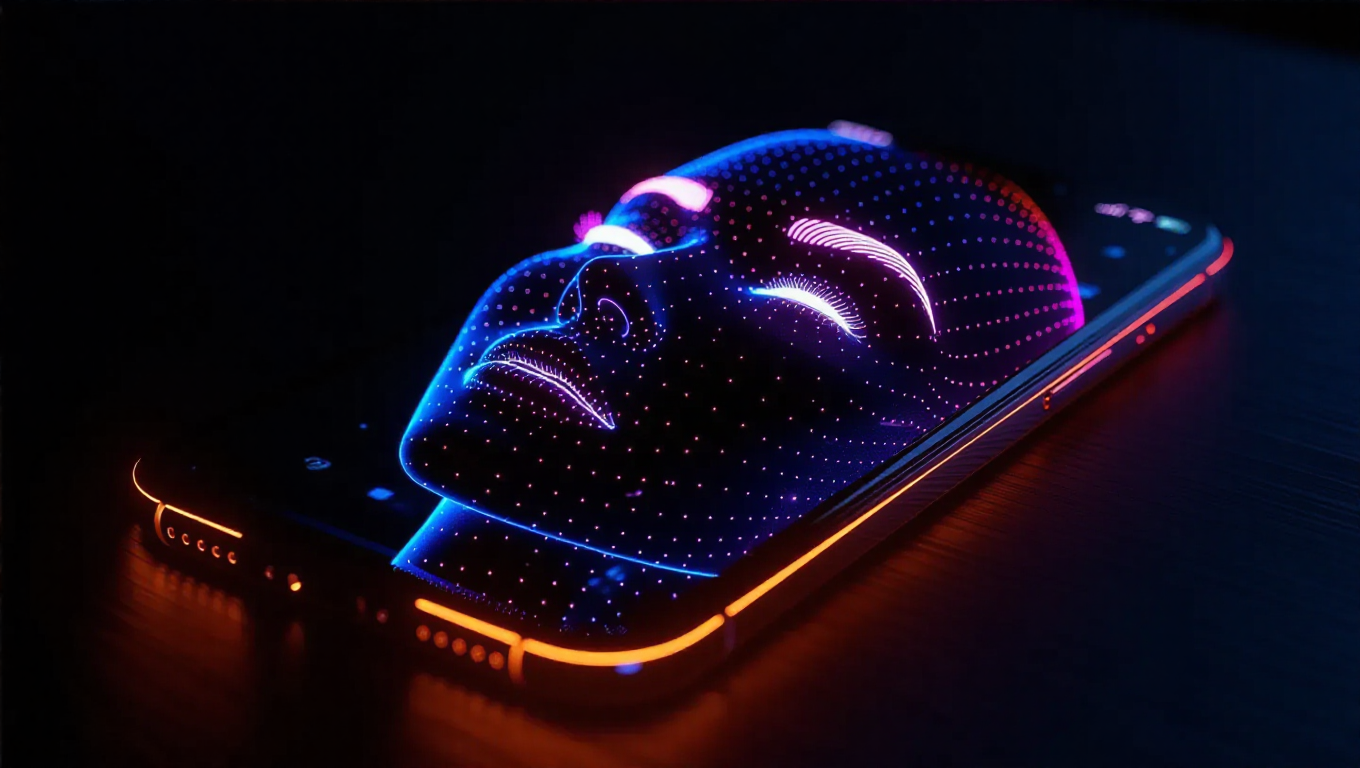
Google Developing Advanced Face Unlocking for Pixel 11 to Rival iPhone Face ID
Google appears to be making significant strides in biometric authentication technology, with development underway on face unlocking capabilities for the upcoming Pixel 11 family that could finally match Apple's industry-leading Face ID system. This advancement represents Google's most ambitious effort yet to provide Pixel users with a seamless, secure facial recognition experience comparable to what iPhone owners have enjoyed for years.
Project Toscana: Google's Face ID Competitor
The technology, internally codenamed Project Toscana, is reportedly being developed for both Pixel smartphones and Chromebooks. What makes this development particularly noteworthy is that the system is said to work without any additional visible sensors on Pixel devices. If the technology utilizes infrared sensors like Apple's Face ID—which remains unconfirmed—these components would be cleverly hidden beneath the display, maintaining the clean aesthetic of current Pixel designs.
Early testing suggests the new face unlocking system performs equally well in low ambient lighting as it does in daylight, addressing a common limitation of many current facial recognition implementations. This represents a significant improvement over existing solutions and brings Google's technology much closer to the reliability standards set by Apple's Face ID.
Performance and Implementation
According to those familiar with the development, Google's new face unlocking technology works as quickly as Apple's Face ID on current iPhones. This speed, combined with the reported low-light performance, could make it a compelling alternative to fingerprint scanning for many users. Unlike iPhones, which rely exclusively on Face ID for biometric authentication, Pixel devices will likely continue to offer both facial recognition and fingerprint scanning options, providing users with flexibility in how they secure their devices.
The development timeline suggests this technology has been in the works for some time, with previous rumors indicating Google was exploring infrared-based face unlocking for the Pixel 11 family. The current progress appears to validate those earlier reports and suggests Google is nearing completion of a system that could significantly enhance the Pixel user experience.
Broader Implications
Interestingly, Google is reportedly testing the same technology on Chromebooks, indicating the company sees potential applications beyond smartphones. This cross-platform approach suggests Google may be developing a unified biometric authentication system that could work consistently across its device ecosystem.
The timing of this development is particularly noteworthy as Apple is rumored to be working on under-display Face ID technology for future iPhone models. This suggests both tech giants are converging on similar solutions for implementing advanced facial recognition while maintaining clean device designs without visible sensors.
Conclusion
Google's development of advanced face unlocking technology for the Pixel 11 family represents a significant step forward in the company's biometric authentication capabilities. If the reported performance claims hold true, Pixel users may soon enjoy facial recognition that genuinely rivals Apple's Face ID in both speed and reliability. This development, combined with Google's continued support for fingerprint scanning, could give Pixel devices a compelling advantage in the biometric authentication space. As with all pre-release technology, final implementation and performance will need to be evaluated when the Pixel 11 family officially launches, but the current indications suggest Google is preparing to make a substantial leap forward in this important area of smartphone technology.