Google Continues Development on Android Auto Video App Support
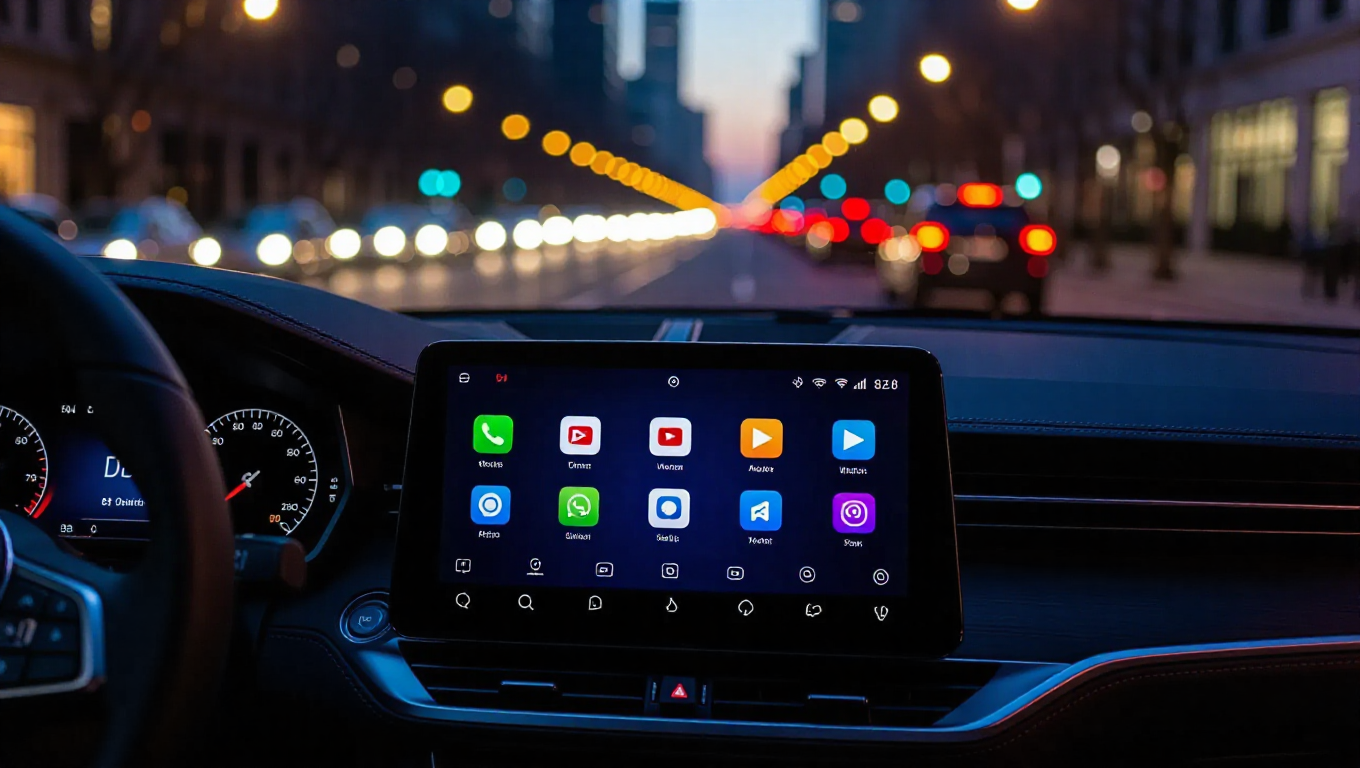
Following a major announcement earlier this year, new evidence has emerged confirming that Google is actively progressing with its plan to bring video applications to the Android Auto platform, specifically for use when a vehicle is safely parked.
The Promise of Parked Entertainment
At its annual developer conference in 2025, Google unveiled its intention to expand Android Auto's capabilities to include video streaming applications. This feature is designed explicitly for use when a vehicle is stationary, such as during charging sessions for electric vehicles or while waiting. The announcement was positioned as a significant quality-of-life upgrade, transforming idle time into an opportunity for entertainment or information.
However, since the initial reveal, the feature has not yet been made available to the public, leading to questions about its development status.
Evidence of Active Development
Recent findings within the latest beta version of Android Auto software provide a clear signal that development is ongoing. A new software flag has been discovered in the codebase, explicitly referencing video app availability. This flag, while not yet functional for end-users, serves as a direct marker of the feature's progression through Google's development pipeline.
The presence of this code is a strong technical indicator that engineers are actively building the infrastructure required for video playback within the Android Auto environment. It confirms that the project has moved beyond the conceptual stage announced at the conference and into active implementation.
Implications and Expected Rollout
The development is particularly relevant for the growing number of electric vehicle owners. Long charging stops could be enhanced by the ability to watch content directly through the vehicle's infotainment system via Android Auto, providing a more integrated and seamless experience than using a separate mobile device.
While no official release date has been provided, the discovery of this new flag in a beta release is a positive sign. In software development, such additions typically precede a public testing phase before a full rollout. The feature will almost certainly maintain strict safety protocols, ensuring video playback is only enabled when the vehicle's parking brake is engaged, aligning with existing driver distraction guidelines.
Conclusion
The journey to bring video apps to Android Auto is demonstrably underway. The gap between Google's 2025 announcement and the current user experience is now being bridged by tangible development work, as evidenced by the latest software beta. This ongoing progress suggests that the promised functionality—turning parked moments into entertainment opportunities—is on track to arrive for users in a future update, reinforcing Android Auto's evolution as a comprehensive in-vehicle platform.