Google and XREAL Deepen Android XR Partnership with Multi-Year Extension
The extended reality (XR) landscape is witnessing a significant consolidation as two key players reaffirm their commitment. Google and XREAL have announced a multi-year extension of their existing partnership, a move that solidifies their joint efforts in shaping the future of Android-powered immersive experiences.
A Strategic Hardware Alliance
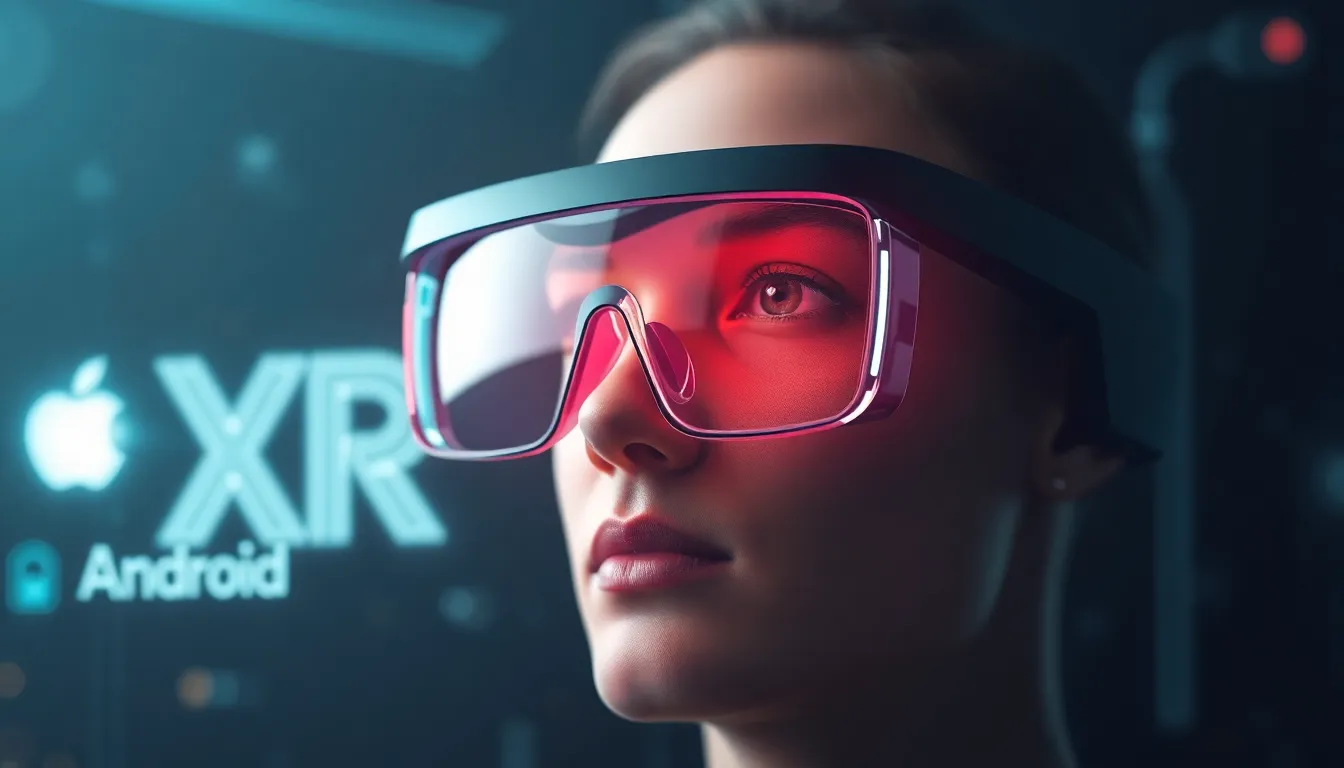
The core of this renewed agreement positions XREAL as the lead hardware partner for the Android XR ecosystem. This elevated role suggests a closer integration between XREAL's device engineering and Google's underlying Android XR platform software. The partnership is not merely a continuation but an intensification of collaborative development, specifically targeting the creation of more "optical-see-through" XR devices. This category includes augmented reality (AR) glasses that allow users to see the real world through transparent lenses while digital content is overlaid, a design philosophy central to XREAL's existing product lineup.
Focus on Wired and Future Form Factors
While wireless, standalone headsets dominate much of the XR conversation, this partnership explicitly includes plans to work on wired XR glasses. This indicates a strategy to cater to different use cases, potentially offering higher-fidelity experiences for gaming or professional applications where tethering to a powerful Android device or PC is acceptable. The announcement comes amidst a flurry of activity from XREAL, including the recent unveiling of new collaborative hardware, underscoring the company's aggressive push in the space. The deepened alliance with Google provides a robust software foundation and platform legitimacy for XREAL's hardware roadmap.
Implications for the Android XR Ecosystem
This partnership extension is a clear signal of Google's commitment to the XR space through strategic hardware alliances rather than solely relying on first-party devices. By anointing a lead hardware partner, Google aims to create a more cohesive and developer-friendly environment for Android XR, potentially accelerating app development and ecosystem growth. For consumers, it promises a more streamlined pipeline of advanced glasses designed from the ground up to leverage Android's XR capabilities, moving beyond basic smartphone screen mirroring to more integrated, spatial computing experiences.
Conclusion: Building the Foundation for Mainstream XR
The multi-year pact between Google and XREAL represents a calculated step towards maturing the Android XR platform. By combining Google's software prowess and ecosystem reach with XREAL's specialized hardware expertise, the partnership seeks to address key challenges in device form factor, user experience, and developer support. While the journey to mainstream XR adoption remains long, such focused collaborations between platform architects and hardware innovators are essential for building the reliable, compelling, and accessible products needed to bring immersive computing to a wider audience. The focus on optical-see-through and varied form factors like wired glasses suggests a pragmatic, multi-pronged approach to finding the right product-market fit in the evolving XR landscape.