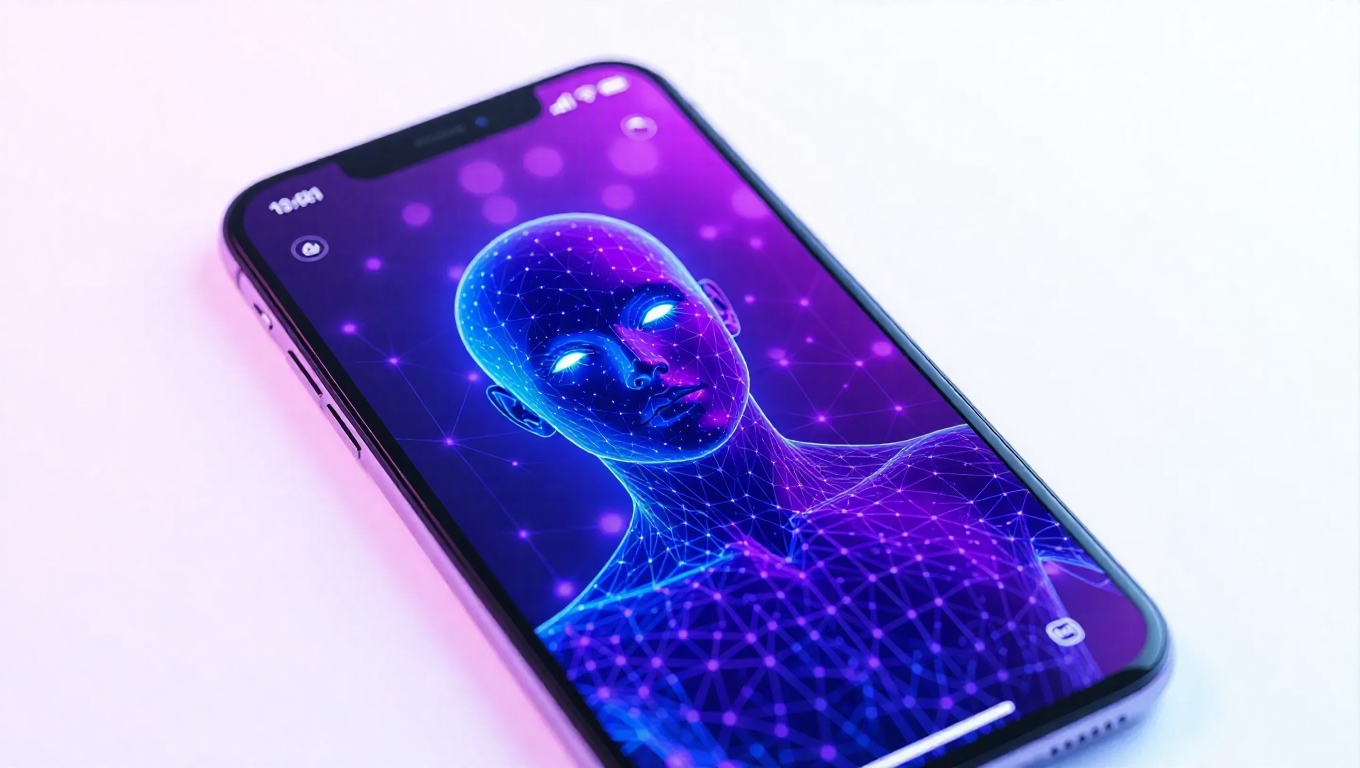
Gemini to Replace Google Assistant on Android Devices in 2026
Google is preparing for a significant transition in its voice assistant ecosystem, with plans to replace Google Assistant with its newer Gemini AI assistant on Android phones beginning in 2026. This move represents a strategic shift as the company focuses on integrating more advanced artificial intelligence capabilities into its mobile platform.
The Transition Timeline
Originally announced earlier in 2025, the replacement of Google Assistant with Gemini was initially expected to occur within the same year. However, the transition has been rescheduled for 2026, allowing for additional development and integration work. This timeline adjustment suggests Google is taking a measured approach to ensure a smooth transition for users.
What This Means for Android Users
The shift from Google Assistant to Gemini represents more than just a name change. Gemini incorporates more advanced AI capabilities that promise enhanced conversational abilities, better contextual understanding, and improved integration with Google's broader AI ecosystem. Users can expect a more sophisticated assistant experience that leverages the latest developments in artificial intelligence technology.
This transition aligns with Google's broader strategy of integrating AI across its product portfolio. As AI capabilities continue to advance, the company appears to be positioning Gemini as its flagship assistant technology, moving beyond the more traditional voice command system represented by Google Assistant.
Implementation Considerations
The 2026 timeline provides Google with sufficient opportunity to address potential challenges associated with such a significant platform change. Key considerations likely include ensuring backward compatibility with existing Assistant functionalities, maintaining user data privacy and security standards, and providing adequate support for developers who have built applications around the current Assistant framework.
The extended timeline also suggests that Google may be planning a phased rollout or additional testing to minimize disruption to the millions of Android users who currently rely on Google Assistant for daily tasks, smart home control, and information retrieval.
Conclusion
The planned replacement of Google Assistant with Gemini on Android devices in 2026 marks an important evolution in Google's approach to voice assistants and AI integration. While the delay from the original 2025 timeline indicates the complexity of such a transition, it also suggests Google is prioritizing a well-executed implementation over a rushed deployment.
As 2026 approaches, Android users can anticipate more details about how Gemini will enhance their mobile experience and what specific improvements the new assistant will bring compared to the established Google Assistant platform. This transition represents not just a change in technology, but a shift toward more sophisticated, AI-driven interactions on mobile devices.