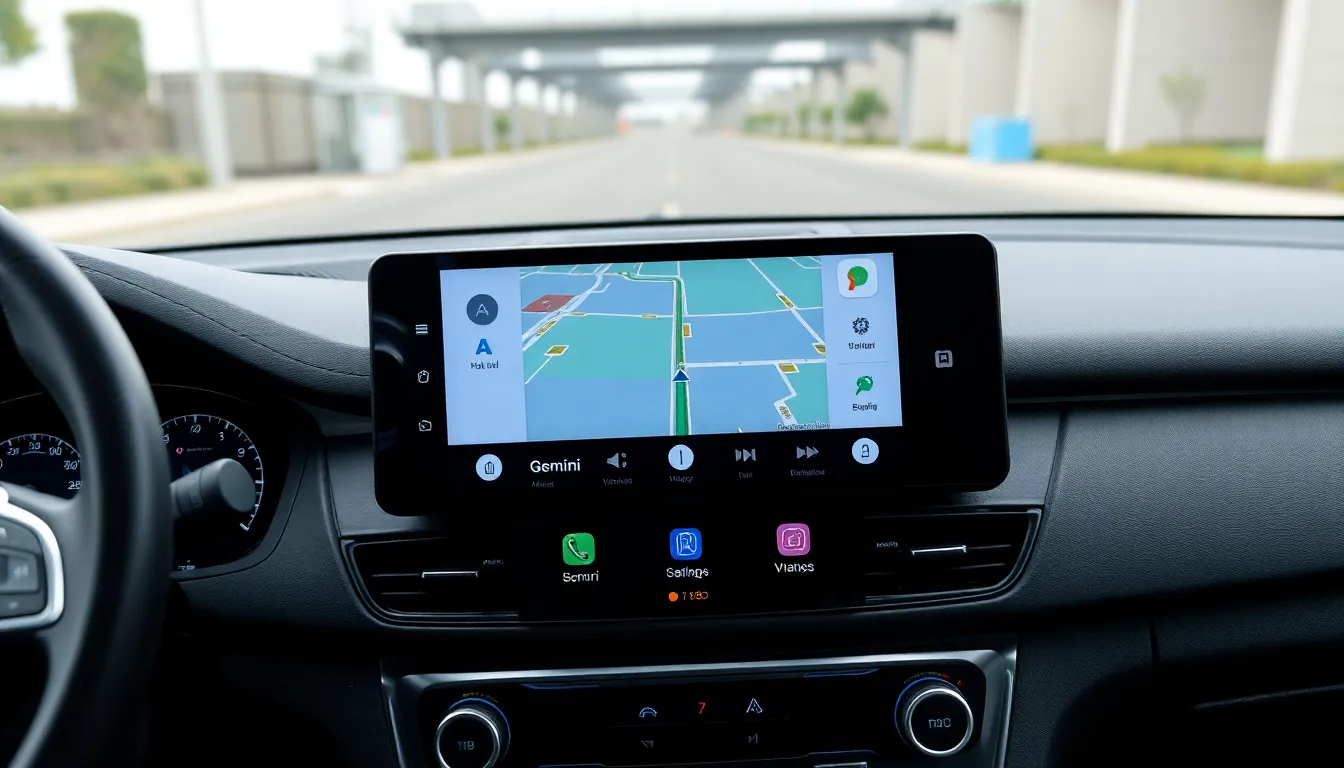
Gemini Starts Rolling Out to Android Auto Users Globally: Here's Everything It Can Do
Google has officially begun the worldwide deployment of its Gemini AI assistant to Android Auto, marking a significant upgrade to the in-car experience for millions of users. The rollout, which started after successful beta testing, will continue over the next several months as Google brings its advanced AI capabilities directly to vehicle dashboards.
Global Rollout Timeline
The transition to Gemini on Android Auto represents a phased approach, with the global availability beginning now and expected to reach all eligible users within the coming months. This gradual deployment ensures stability and performance optimization across different vehicle systems and regions. Users should note that the update will appear automatically as part of Google's systematic rollout process.
Prerequisites for Access
To access Gemini features on Android Auto, users must first complete a crucial step: upgrading from Google Assistant to Gemini on their Android smartphones. This prerequisite ensures that the AI assistant is properly configured and ready to handle the specialized commands and functions required for in-car use. The mobile upgrade serves as the foundation for the enhanced Android Auto experience.
Key Gemini Capabilities in Android Auto
Once activated, Gemini brings several powerful features to the driving experience. The AI assistant can handle complex voice commands for navigation, allowing users to ask for routes with specific stops or preferences. Messaging capabilities are significantly enhanced, with Gemini able to compose and send messages using natural language processing that understands context and intent.
Media control becomes more intuitive with Gemini, as users can request specific music, podcasts, or audiobooks using conversational language rather than rigid commands. The assistant also integrates with vehicle systems for climate control and other smart features where supported by the automobile manufacturer.
Recommended Initial Usage
Google suggests trying five key functions when first activating Gemini in Android Auto to familiarize users with the expanded capabilities. These include testing navigation commands with multiple waypoints, experimenting with natural language messaging, exploring media control through conversational requests, trying smart home integration for pre-arrival preparations, and utilizing the assistant's ability to handle follow-up questions without repetition.
Conclusion
The integration of Gemini into Android Auto represents a substantial leap forward in in-car AI assistance. By bringing advanced language understanding and contextual awareness to the driving environment, Google aims to make vehicle interactions more natural and efficient. As the rollout progresses over the coming months, users can expect a more intelligent and responsive companion for their daily commutes and road trips.