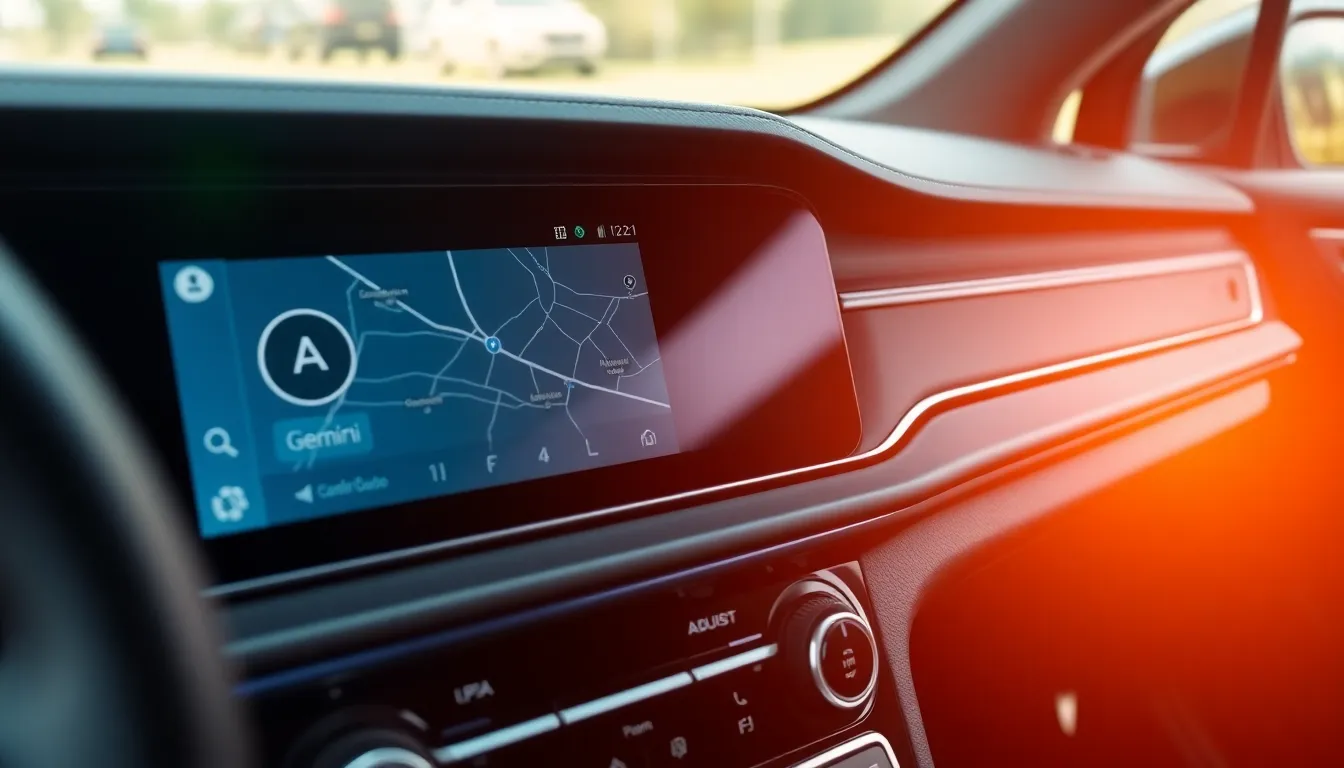
Gemini Starts Rolling Out to Android Auto Users Globally: Here's Everything It Can Do
Google has officially begun the worldwide deployment of its Gemini AI assistant to Android Auto users, marking a significant upgrade from the traditional Google Assistant experience. The rollout, which started recently, is expected to continue over the next couple of months as Google brings its advanced AI capabilities directly to the driving experience.
Global Rollout Timeline and Requirements
The transition to Gemini on Android Auto requires users to first upgrade from Google Assistant to Gemini on their smartphones. This prerequisite ensures a seamless integration between mobile and automotive interfaces. While the global rollout has commenced, users should expect the update to reach all compatible devices gradually over the coming months.
This deployment follows an extensive beta testing period where early users provided feedback on Gemini's performance in automotive environments. The gradual rollout approach allows Google to monitor system stability and user adoption rates while ensuring a smooth transition for millions of Android Auto users worldwide.
Enhanced Voice Control and Navigation
Gemini brings substantial improvements to voice-controlled navigation and route planning. The AI assistant can process more complex queries and provide more contextual responses compared to its predecessor. Users can ask for alternative routes based on real-time traffic conditions, find points of interest along their journey, and receive proactive suggestions for stops based on their travel patterns.
The enhanced natural language processing capabilities allow for more conversational interactions, making it easier to multitask while driving. Instead of rigid command structures, users can speak naturally to Gemini, who understands context and follow-up questions more effectively.
Smart Vehicle Integration
Beyond basic navigation and media control, Gemini introduces smarter vehicle integration features. The AI can help users locate their parked cars, provide maintenance reminders based on mileage or time intervals, and even suggest optimal charging stops for electric vehicle owners. These features leverage Google's extensive ecosystem while maintaining focus on driver safety and convenience.
The integration extends to smart home controls, allowing users to manage their home devices while en route. Commands like "turn on the living room lights" or "set the thermostat to 72 degrees" can be executed through Gemini, providing a connected experience from car to home.
Media and Communication Enhancements
Gemini offers improved media discovery and playback controls, with better understanding of user preferences and context. The assistant can suggest podcasts, music, and audiobooks based on trip duration, time of day, and listening history. Communication features have also been enhanced, with more accurate message dictation and the ability to handle multiple conversation threads simultaneously.
For business users, Gemini can read and summarize emails, schedule appointments, and provide calendar updates—all through voice commands that minimize driver distraction.
Conclusion
The global rollout of Gemini to Android Auto represents a significant step forward in automotive AI integration. By combining advanced natural language processing with contextual understanding, Google aims to create a more intuitive and helpful driving assistant. As the rollout continues over the coming months, users can expect a more personalized and capable in-car experience that adapts to their needs while prioritizing safety and convenience on the road.