Gemini for Android Auto: Availability Status and User Poll Results
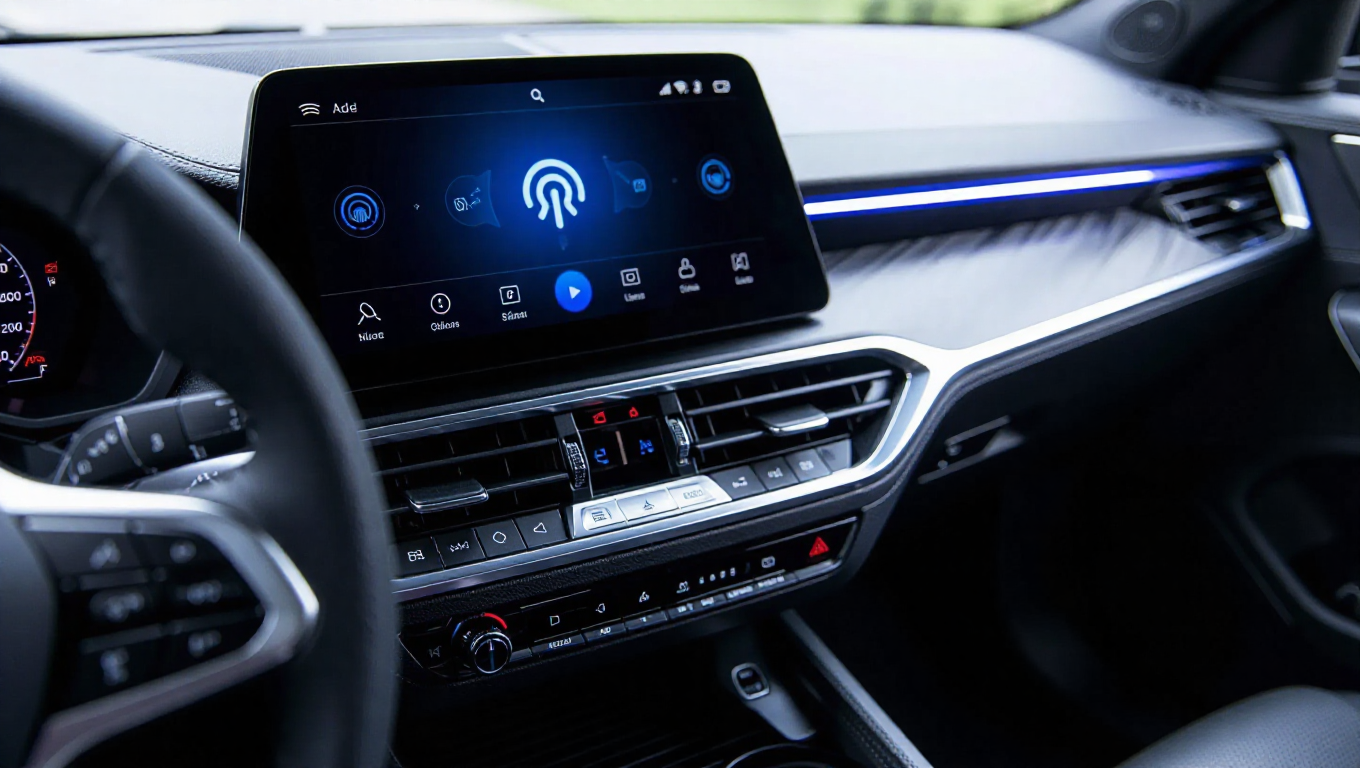
The integration of Google's Gemini AI assistant into Android Auto represents a significant upgrade to the in-car experience, but its rollout appears to be proceeding gradually across user devices. This implementation promises to enhance voice interaction capabilities while driving, though availability remains inconsistent among the Android Auto user base.
Rollout Progress and User Experience
Initial reports suggest the Gemini upgrade for Android Auto is being deployed in stages, with some users gaining access while others continue to wait. The staggered release pattern follows Google's typical approach to feature rollouts, where updates reach different devices and regions at varying times. This phased implementation allows for monitoring performance and addressing potential issues before broader availability.
The enhanced Gemini integration is expected to provide more natural language processing capabilities compared to previous assistant versions, potentially improving hands-free operation of navigation, media playback, and communication functions. Early indications point toward more contextual understanding of driver requests and improved response accuracy in the automotive environment.
Implementation Expectations
When fully implemented, Gemini on Android Auto should offer expanded functionality for voice commands related to navigation, messaging, music selection, and vehicle system controls. The upgrade aims to reduce the need for manual interaction with the infotainment system, thereby promoting safer driving practices through enhanced voice-first operation.
The transition to Gemini represents part of Google's broader strategy to integrate advanced AI capabilities across its ecosystem. In the automotive context, this means moving beyond basic command recognition toward more conversational interactions that account for driving context and user preferences.
Current Status and Future Outlook
User reports indicate varying levels of access to the Gemini features, with some Android Auto installations showing the updated assistant while others maintain the previous version. This inconsistency suggests the rollout is still in progress, with complete deployment expected to continue over coming weeks.
The gradual nature of the release allows for refinement based on early user feedback and performance data. As more drivers gain access to Gemini on Android Auto, clearer patterns should emerge regarding its advantages over previous assistant versions and any areas requiring adjustment for optimal in-car operation.
Looking forward, the successful implementation of Gemini could establish a new standard for AI-assisted driving experiences, potentially influencing how other automotive platforms approach voice interaction systems. The upgrade's reception will likely shape future development priorities for Google's automotive software offerings.