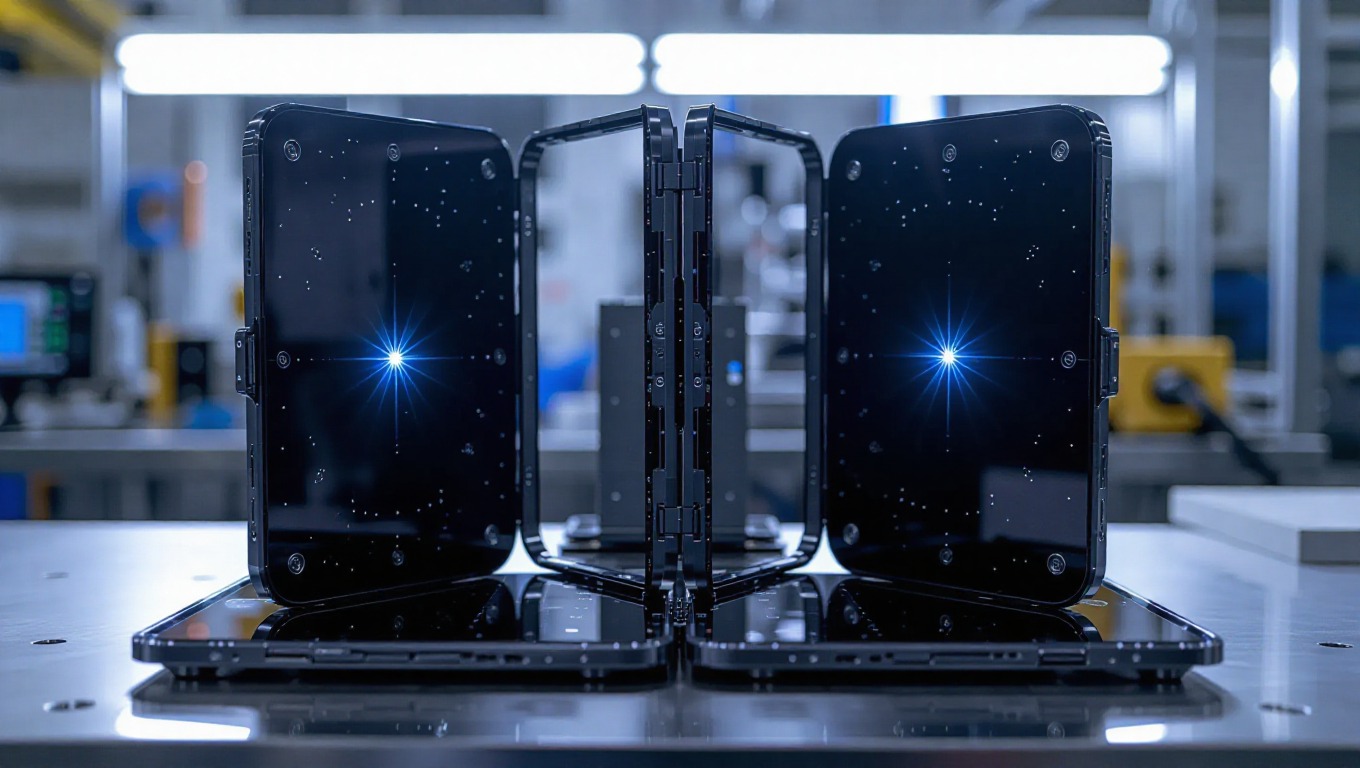
Galaxy Z TriFold Durability Test Reveals Structural Weaknesses in Tri-Fold Design
Recent durability assessments of Samsung's innovative Galaxy Z TriFold have raised questions about the practical resilience of tri-fold smartphone technology. While the device represents a significant leap in screen real estate and multitasking capabilities, testing suggests its complex mechanical design may come with durability tradeoffs compared to more established foldable formats.
Testing Methodology and Results
In controlled durability evaluations designed to simulate real-world stress scenarios, the Galaxy Z TriFold demonstrated notable vulnerabilities when subjected to bending forces. The device reportedly failed at lower pressure thresholds than its dual-fold counterparts, with the additional hinge mechanism creating more potential failure points throughout the structure.
The testing process involved applying progressive pressure to various points along the device's folded configuration, with particular attention to hinge areas and display creases. Observations indicate that while the outer materials maintained reasonable scratch resistance, the internal mechanical components showed signs of strain and eventual failure under sustained pressure.
Design Complexity vs. Durability
The Galaxy Z TriFold's ambitious design incorporates two separate hinge mechanisms that allow the device to fold into three distinct sections. This engineering achievement enables an expansive tablet-like experience when fully unfolded, but testing suggests this complexity introduces structural compromises.
Each additional hinge point represents not just another moving part, but also creates new stress concentration areas where materials must flex and endure repeated motion. The testing indicates that these multiple flex zones may distribute stress unevenly, potentially accelerating wear and reducing overall device longevity compared to simpler single-hinge designs.
Industry Context and Implications
The durability findings come at a critical juncture for foldable technology, as manufacturers explore increasingly complex form factors. While consumers have generally accepted some durability tradeoffs for the benefits of foldable displays, the test results suggest that tri-fold designs may push these compromises further than previous generations.
Industry analysis suggests that successful tri-fold implementation may require not just incremental improvements to existing hinge technology, but potentially fundamental rethinking of how multiple folding points interact structurally. Materials science advancements, particularly in flexible display protection and hinge reinforcement, will likely prove crucial for future iterations of multi-fold devices.
Conclusion
The Galaxy Z TriFold represents an important step forward in display technology and form factor innovation, offering unprecedented screen real estate in a pocketable device. However, durability testing indicates that the current implementation of tri-fold technology faces significant structural challenges that may affect long-term reliability.
As with early generations of traditional foldables, these findings highlight the ongoing tension between ambitious design concepts and practical durability requirements. The results suggest that while tri-fold technology holds exciting potential, manufacturers may need to prioritize structural reinforcement and hinge reliability in future designs to ensure these innovative devices can withstand the rigors of daily use.
For consumers considering tri-fold devices, these durability considerations should factor into purchasing decisions alongside the undeniable benefits of expanded screen space and enhanced multitasking capabilities.