Galaxy Z TriFold Display Durability Concerns Surface After Early Spontaneous Break
Samsung's Galaxy Z TriFold represents the cutting edge of smartphone innovation, featuring a display that folds not once but twice to transform from phone to tablet. While the device has generated significant excitement for its form factor and capabilities, questions about the durability of such complex folding mechanisms have persisted. Now, an early incident has brought those concerns to the forefront.
Early Incident Raises Questions
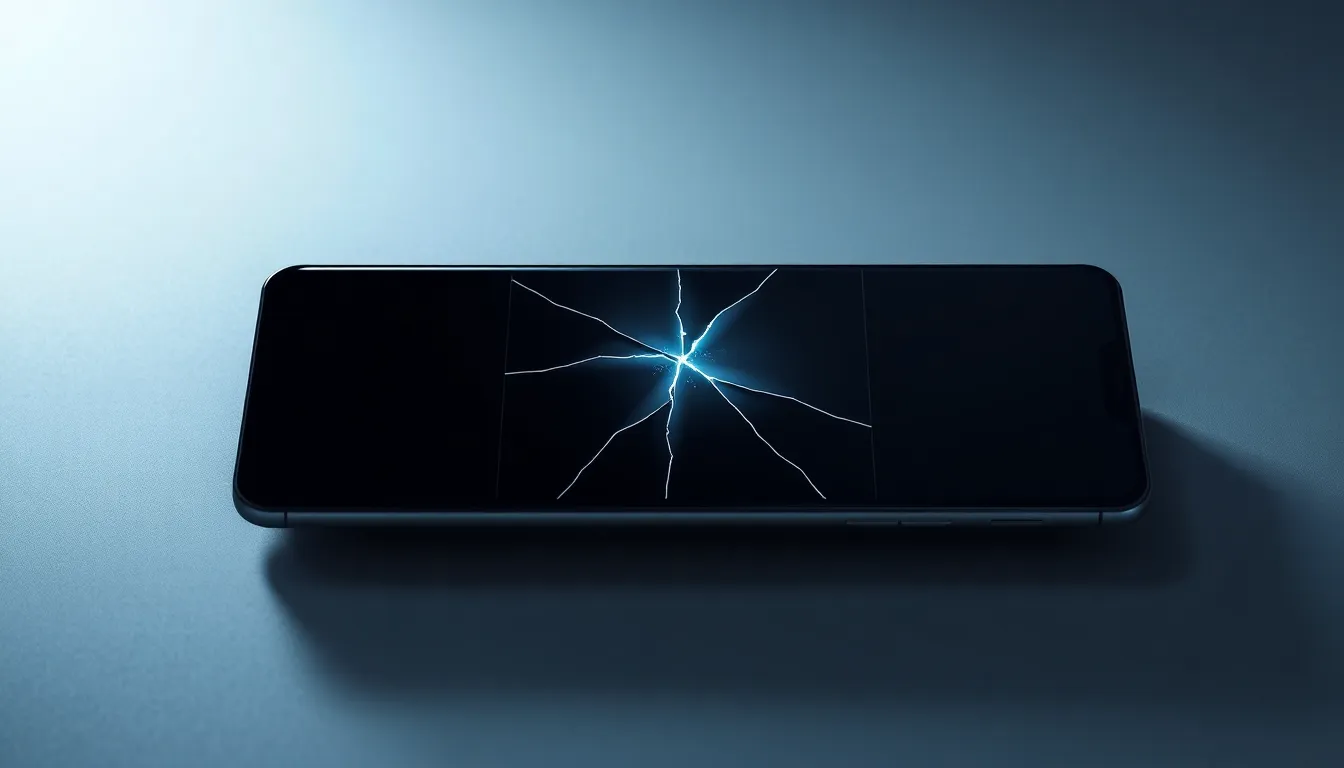
Reports indicate that one of the first Galaxy Z TriFold units in consumer hands has experienced what appears to be a spontaneous display failure. The device, which was reportedly functioning normally, developed a visible break across its folding screen without any apparent external trauma or user error. This incident occurred shortly after the device's initial availability, suggesting potential durability issues that may not have been fully addressed during development and testing phases.
The Galaxy Z TriFold's display represents a significant engineering challenge, requiring materials and mechanisms that can withstand repeated folding and unfolding while maintaining structural integrity. While Samsung has made substantial advancements in folding screen technology over multiple generations of foldable devices, the TriFold's additional folding point introduces new stress points and potential failure modes that previous designs didn't face.
Broader Context of Folding Technology
This incident occurs within the broader context of folding smartphone development, where durability has been a consistent concern since the first commercially available folding devices. Early generations of folding phones from various manufacturers faced criticism for screen reliability issues, including creasing, bubbling, and complete failures. While subsequent iterations have shown improvement, the fundamental challenge of creating a flexible display that can withstand thousands of folding cycles remains.
The Galaxy Z TriFold's design pushes these boundaries further by introducing a second folding axis, creating what is essentially a triple-panel display. This complexity increases the number of moving parts, hinge mechanisms, and potential points of failure. The reported spontaneous break suggests that even with Samsung's considerable experience in this space, the technology may not yet be ready for the stresses of everyday consumer use.
Industry Implications
This early failure has implications beyond a single device. It raises questions about whether the current state of folding display technology can support increasingly complex form factors. Manufacturers face a delicate balance between pushing innovation boundaries and ensuring product reliability that meets consumer expectations for premium devices.
The incident also highlights the challenges of real-world testing versus controlled laboratory conditions. While manufacturers conduct extensive durability testing, actual consumer usage patterns can expose weaknesses that weren't apparent during development. This is particularly relevant for cutting-edge technology where usage models are still being established.
Conclusion
The reported spontaneous display failure on an early Galaxy Z TriFold unit serves as a reminder that folding smartphone technology, while impressive, continues to face significant durability challenges. As manufacturers push toward more complex folding designs, they must balance innovation with reliability. This incident suggests that despite years of development and multiple generations of devices, folding screen technology may still require further refinement before it can consistently withstand the rigors of everyday use. Consumers considering such cutting-edge devices should weigh the innovative form factors against potential reliability concerns, particularly with first-generation implementations of new folding configurations.