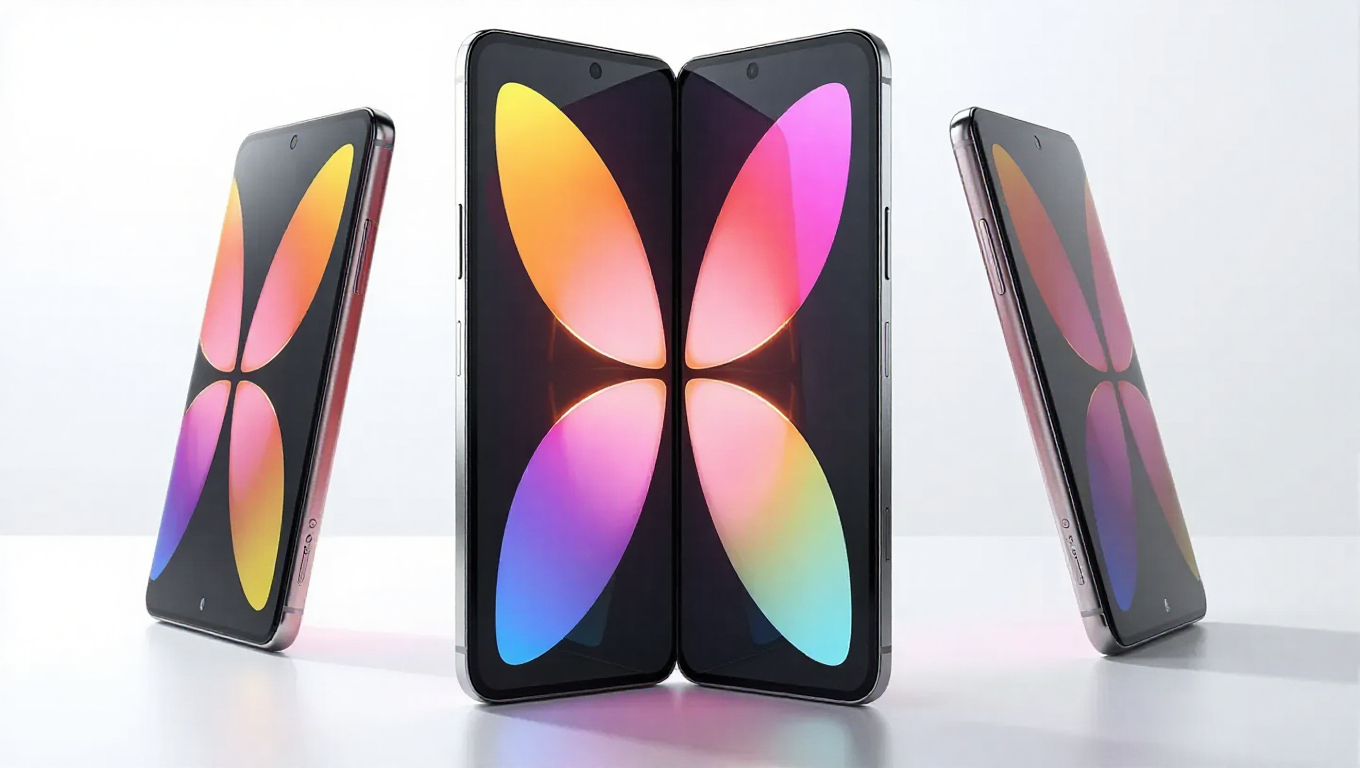
Galaxy Z Fold 7 Emerges as Samsung's Ultimate Foldable Over TriFold
Samsung's foldable lineup continues to push technological boundaries, but the latest comparison reveals an interesting dynamic between the company's most ambitious devices. While the Galaxy Z TriFold represents a bold step forward with its expansive screen real estate, it's the more refined Galaxy Z Fold 7 that emerges as the superior choice for most users.
The TriFold's Impressive But Niche Appeal
The Galaxy Z TriFold undoubtedly makes a strong first impression with its futuristic design and capabilities. The device excels in tablet-like scenarios, offering excellent browsing experiences, immersive media consumption, and impressive multitasking with three simultaneous applications. These features demonstrate Samsung's continued innovation in the foldable space and provide a glimpse of what's possible with multi-fold technology.
However, practical considerations reveal limitations. The TriFold's additional weight and thickness become noticeable during extended use, making it less comfortable for everyday handling. While the larger screen shines for specific tasks like content viewing or tablet-style browsing, these use cases don't occur frequently enough for most users to justify the trade-offs in portability and comfort.
The Fold 7's Refined Daily Driver Experience
Switching to the Galaxy Z Fold 7 reveals why this device remains Samsung's flagship foldable. The immediate difference is in physical comfort—the Fold 7 feels significantly lighter and thinner in hand, making a substantial impact on daily usability. This refined design doesn't sacrifice the premium feel that makes foldables special; the folding mechanism maintains that distinctive quality that sets these devices apart from traditional smartphones.
The Fold 7 represents a more balanced approach to foldable technology. It provides ample screen real estate for productivity and entertainment while maintaining a form factor that's comfortable for regular use. The device feels right in hand, suggesting Samsung has optimized the foldable experience based on years of refinement rather than pursuing maximum screen size at the expense of usability.
Design Philosophy and Future Directions
The comparison highlights different design philosophies within Samsung's foldable strategy. The TriFold represents an experimental approach, pushing boundaries to explore what's technically possible. In contrast, the Fold 7 demonstrates a more user-centric philosophy focused on creating a device that excels in real-world scenarios rather than just technical specifications.
Observations suggest the TriFold might have achieved broader appeal with even slimmer dimensions or alternative display technologies like rollable screens. As it stands, the device serves more as a showcase of future possibilities than a practical solution for most users. This doesn't diminish Samsung's achievement with the TriFold but rather contextualizes its place in the broader foldable ecosystem.
The Verdict on Samsung's Foldable Leadership
Samsung deserves recognition for developing both devices, each representing significant engineering achievements. The TriFold demonstrates the company's willingness to explore new form factors and push technological boundaries. However, the Galaxy Z Fold 7 emerges as the more compelling device for most users due to its superior balance of features, comfort, and practicality.
The Fold 7's combination of lightweight design, thin profile, and refined user experience makes it the device people actually want to use every day. It represents the culmination of Samsung's foldable development, offering peak design without compromising on the core qualities that make smartphones useful tools rather than just technological showcases. For those seeking the best foldable experience that balances innovation with daily usability, the Galaxy Z Fold 7 remains Samsung's ultimate offering.