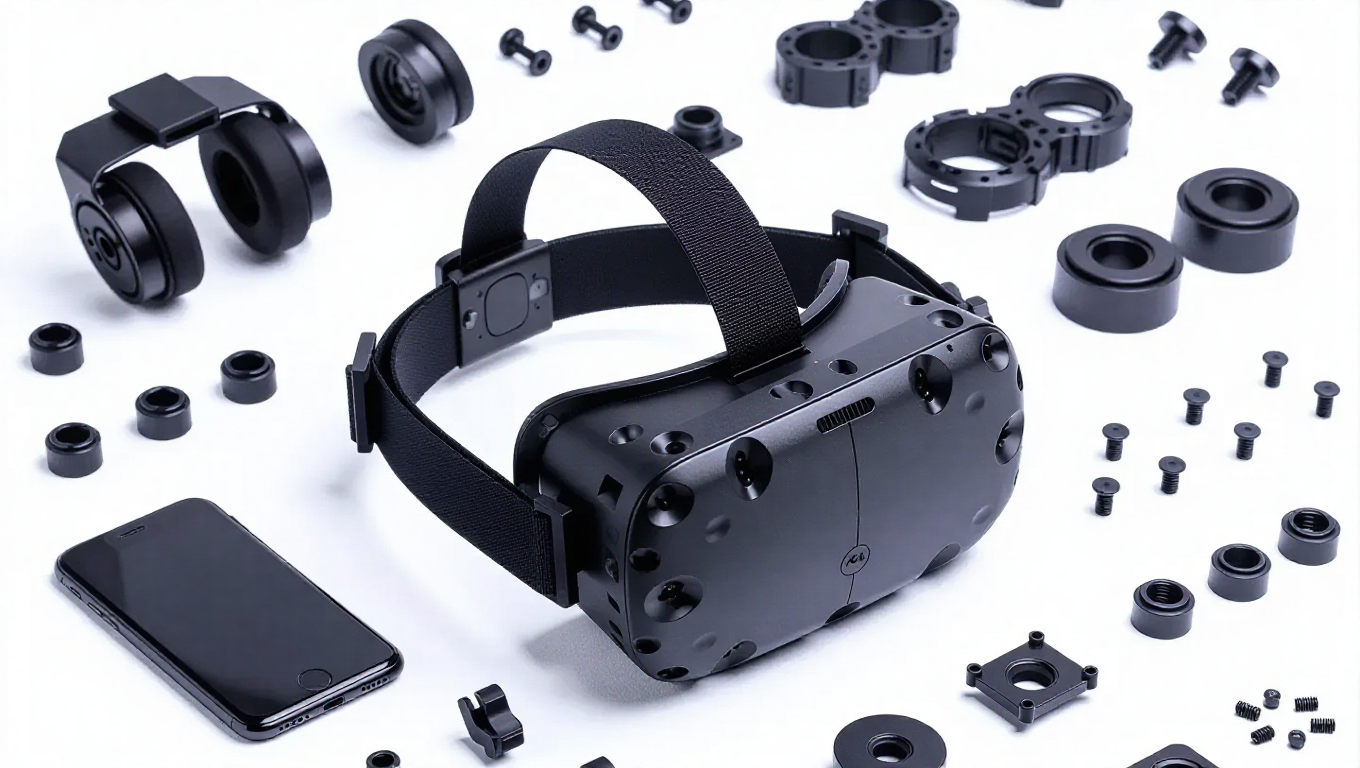
Galaxy XR Sets New Standard for Mixed-Reality Headset Repairability
Samsung's entry into the mixed-reality space with the Galaxy XR brings more than just high-resolution displays and advanced tracking capabilities. Recent analysis reveals the headset has been designed with serviceability in mind, featuring a modular construction that makes it more repairable than competing devices from Apple and Meta.
Modular Design Philosophy
The Galaxy XR's repairability advantages begin with its fundamental architecture. Unlike headsets with integrated batteries, the Galaxy XR utilizes an external battery pack that connects via a removable USB Type-C cable. This design choice not only makes battery replacement straightforward but also allows users to potentially power the device with larger external power banks for extended use.
Further enhancing accessibility, the headset's cushions and face magnets attach magnetically rather than with permanent adhesives. This allows for easy removal and replacement of these wear components, which typically degrade with regular use.
Internal Accessibility
Disassembly begins with removing a clear plastic front plate, which requires a heat gun and plastic pry tools. Beneath this lies a plastic frame secured with multiple Phillips screws—a standardized fastener type that contrasts with the proprietary screws often found in consumer electronics.
All outward-facing cameras, sensors, and the LiDAR system mount to this same plastic frame. These components connect using a combination of Phillips screws, plastic tabs, and glued-on flex connectors. This arrangement provides easier access to underlying components compared to competing headsets, which often feature more complex, layered constructions.
Core Components and Considerations
The main board houses the Snapdragon XR2+ Gen 2 processor along with memory and storage. Removing this board reveals another plastic frame supporting the headset's pancake lenses, dual 4K micro-OLED displays, and four eye-tracking cameras. Downward-facing hand-tracking cameras embed directly into the aluminum chassis.
While most aspects of the design facilitate repair, some challenges remain. The internal fabric lining can be tricky to remove, and the device includes a "Void If Tampered" sticker—a practice that conflicts with U.S. Federal Trade Commission regulations regarding right-to-repair protections. Additionally, Samsung has not yet published an official repair manual for the headset.
Industry Implications
The Galaxy XR's design represents a significant departure from the industry trend toward increasingly sealed, difficult-to-service devices. By prioritizing standardized fasteners, modular components, and accessible connections, Samsung has created a mixed-reality headset that not only competes on features but also on long-term sustainability and user maintainability.
This approach could pressure competitors to improve the repairability of their own devices, potentially benefiting consumers through longer device lifespans and reduced electronic waste. As mixed-reality technology matures, serviceability may become an increasingly important differentiator in the market.