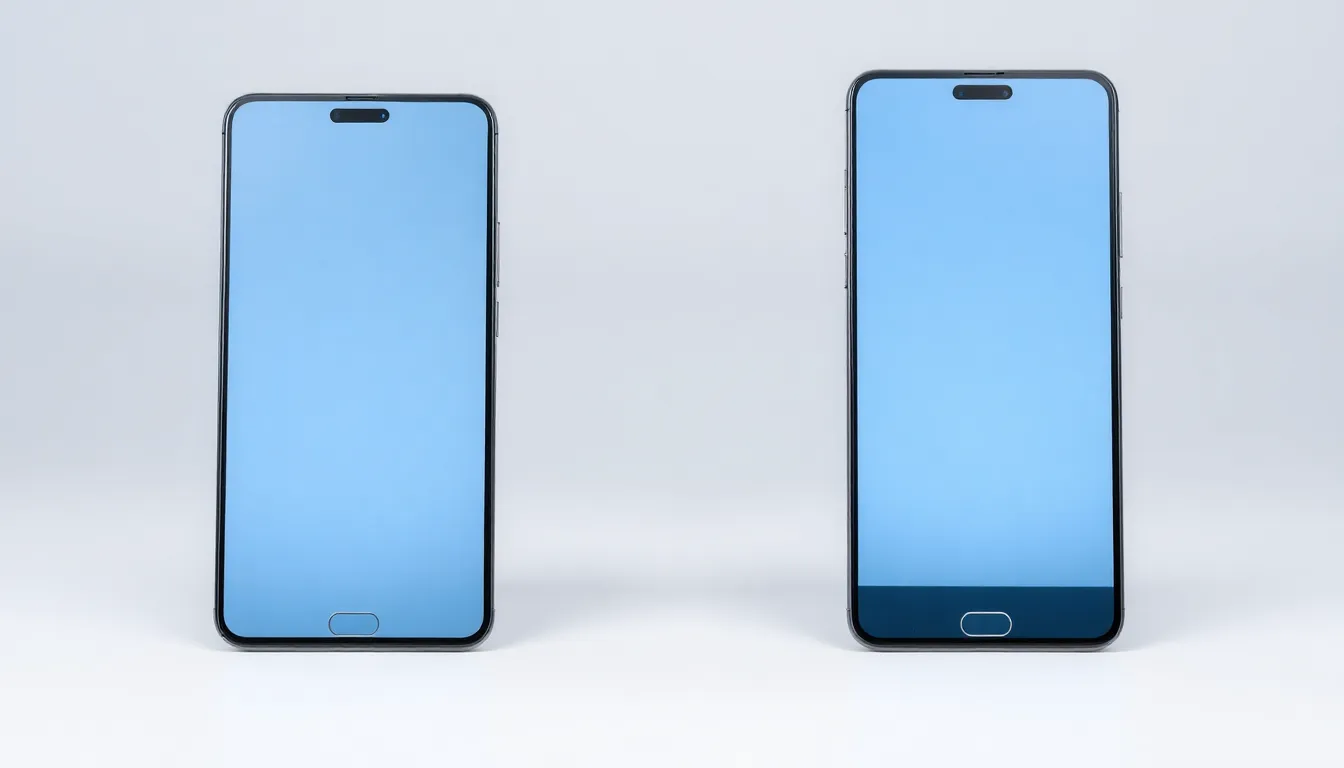
Galaxy S26 Ultra vs S25 Ultra: Display Reflectivity Compared
Samsung's flagship Ultra smartphones have consistently pushed display technology forward, with anti-reflective coatings becoming a key feature. The introduction of the Privacy Display on the Galaxy S26 Ultra has raised questions about whether this innovation comes at the cost of increased screen reflectivity compared to its predecessor.
Display Evolution and Privacy Innovation
Samsung has implemented significant display advancements in recent years. The Galaxy S24 Ultra introduced an anti-reflective screen that was further refined in the Galaxy S25 Ultra. The Galaxy S26 Ultra builds upon this foundation by incorporating a Privacy Display feature designed to limit viewing angles and enhance on-screen privacy.
This new functionality has led some users to question whether the display modifications necessary for privacy protection have affected the anti-reflective performance that became a hallmark of previous Ultra models.
The Reflectivity Question
Observations from early users suggest that despite both devices using the same Gorilla Glass Armor 2 panel with DX anti-reflective coating, the Galaxy S26 Ultra's screen might appear more reflective under certain conditions. This perception has prompted closer examination of how the Privacy Display implementation affects light reflection.
Technical documentation indicates that the display structure was modified to accommodate the Privacy Display feature. This architectural change does create a difference in how the anti-reflective coating performs when the screen is powered off. The slight increase in reflectivity in this state is not a manufacturing defect but rather a consequence of the updated display design required for privacy functionality.
Practical Implications for Users
The key distinction lies in whether the screen is active or inactive. When the display is turned on, there should be no noticeable difference in anti-reflective performance between the Galaxy S26 Ultra and Galaxy S25 Ultra. Both devices maintain excellent visibility in bright conditions during actual use.
The potential for increased reflectivity primarily manifests when the screen is off, which has minimal impact on the user experience during active device interaction. This represents a trade-off between privacy enhancement and perfect anti-reflective performance in all states.
Conclusion
The Galaxy S26 Ultra's Privacy Display represents an evolution in smartphone screen technology that prioritizes privacy without significantly compromising the anti-reflective performance users have come to expect. While the modified display structure may result in slightly increased reflectivity when the screen is off, this has no practical effect on usability during active operation.
Samsung has managed to integrate advanced privacy features while maintaining the excellent on-screen anti-reflective performance established in previous Ultra models. For users who prioritize privacy protection, the minor trade-off in off-screen reflectivity is likely an acceptable compromise for the enhanced security the Privacy Display provides.