Galaxy S26 Ultra vs iPhone 17 Pro Max: A Comparative Analysis of Flagship Evolution
The annual flagship smartphone battle has taken an interesting turn in 2026, with Apple's iPhone 17 Pro Max introducing substantial design changes while Samsung's Galaxy S26 Ultra maintains a more evolutionary approach. This contrast in innovation strategies has sparked discussions about whether the competitive landscape between these industry giants is shifting.
Diverging Design Philosophies
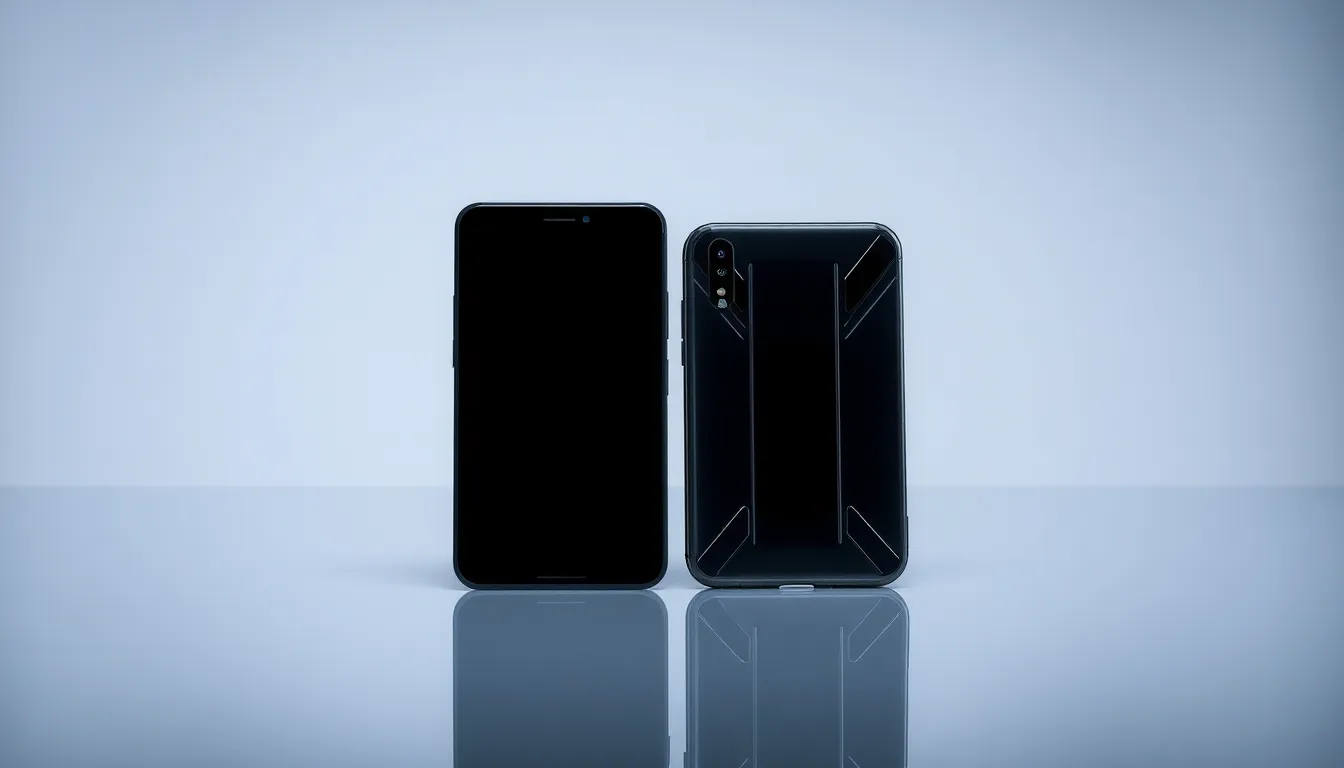
Apple has implemented significant design modifications with the iPhone 17 Pro Max, marking a departure from recent generations. These changes represent one of the more substantial visual updates in recent iPhone history. Meanwhile, the Galaxy S26 Ultra continues Samsung's established design language with refinements rather than reinvention. The contrasting approaches highlight different corporate philosophies regarding flagship evolution—one favoring bold changes, the other prioritizing iterative refinement.
Performance and Feature Analysis
Both devices represent the pinnacle of their respective ecosystems, featuring cutting-edge processors, advanced camera systems, and premium materials. The iPhone 17 Pro Max benefits from Apple's latest silicon and software optimizations, while the Galaxy S26 Ultra leverages Samsung's expertise in display technology and multi-function integration. Early indications suggest both devices deliver exceptional performance, though their approaches to achieving this excellence differ significantly.
Innovation Pace and Market Position
The apparent divergence in innovation strategies raises questions about competitive dynamics in the premium smartphone segment. While Apple appears to be pushing design boundaries more aggressively this cycle, Samsung's approach focuses on refining an already successful formula. This doesn't necessarily indicate technological inferiority but rather different corporate priorities and risk assessments. The market will ultimately determine whether bold innovation or careful refinement proves more successful with consumers.
Conclusion: Different Paths to Excellence
The Galaxy S26 Ultra and iPhone 17 Pro Max represent two valid approaches to flagship smartphone development. Apple's willingness to implement significant design changes demonstrates confidence in reimagining established products, while Samsung's evolutionary approach suggests satisfaction with their current design direction. Rather than one company "falling behind," the comparison reveals different innovation philosophies competing in a mature market. Both devices offer compelling experiences, and consumer preference will likely depend on individual priorities regarding design novelty versus refined familiarity.