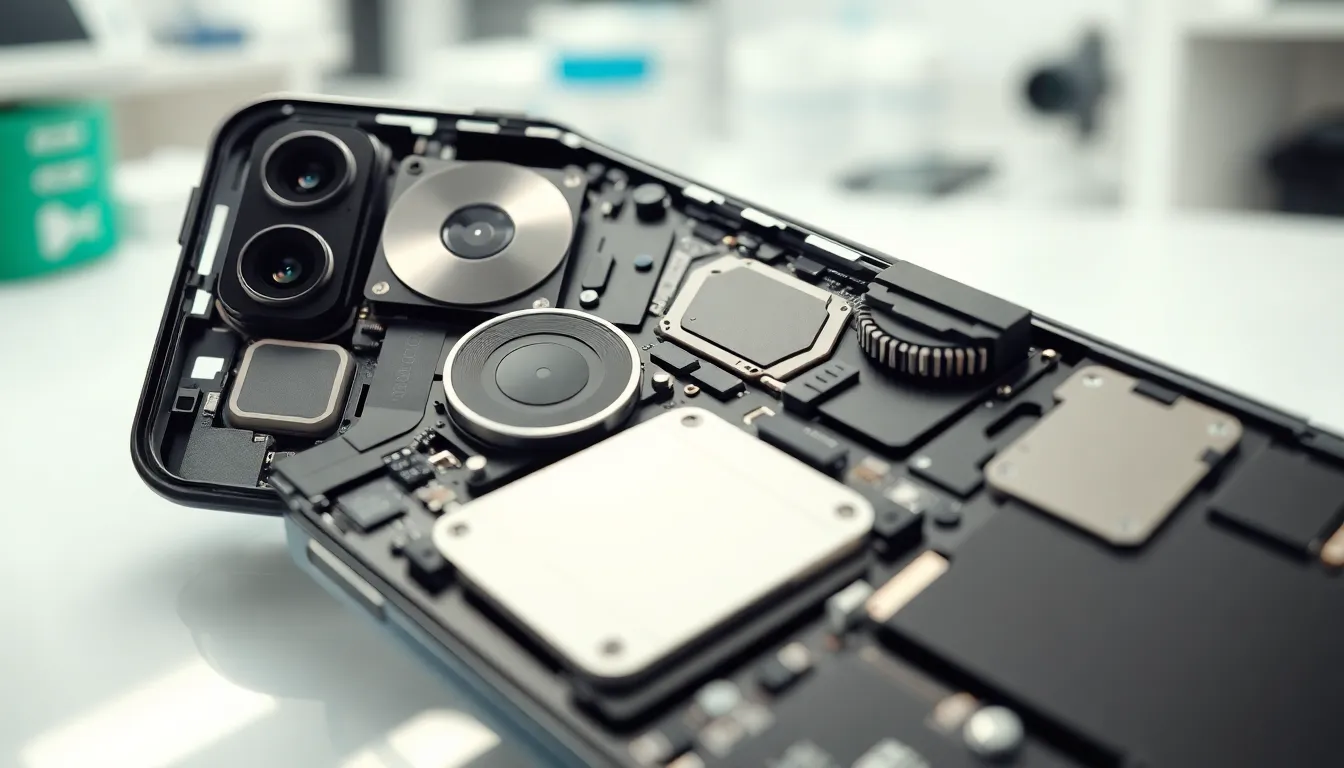
Galaxy S26 Ultra Teardown Reveals Innovative Telephoto Camera and Internal Upgrades
Just days after the Galaxy S26 series hit the market, a comprehensive teardown has provided an unprecedented look inside Samsung's latest flagship. The examination reveals significant hardware innovations, particularly in the camera system and thermal management, showcasing the engineering advancements that power this premium device.
Revolutionary Telephoto Camera Design
The most striking discovery in the teardown is the Galaxy S26 Ultra's new telephoto camera system. Dubbed the ALOP (Advanced Lens Optical Path) design, this configuration represents a substantial departure from previous implementations. The camera module appears more compact while maintaining optical performance, suggesting Samsung has found ways to reduce physical footprint without compromising image quality.
Close examination reveals intricate lens arrangements and stabilization mechanisms that appear more sophisticated than previous generations. The design suggests Samsung has prioritized both space efficiency and optical performance, potentially explaining the device's improved telephoto capabilities noted in early testing.
Enhanced Thermal Management System
Another significant upgrade uncovered in the teardown is the improved vapor chamber cooling system. The new design features a larger surface area and more efficient heat distribution pathways compared to previous models. This enhancement addresses one of the persistent challenges in flagship smartphones: maintaining performance during intensive tasks while preventing thermal throttling.
The vapor chamber appears strategically positioned to draw heat away from both the processor and camera modules, suggesting Samsung has taken a holistic approach to thermal management. This could translate to more consistent performance during extended gaming sessions, video recording, or computational photography tasks.
User-Friendly Internal Design
The teardown reveals several thoughtful design choices that improve repairability and durability. Most notably, the battery features pull tabs that facilitate easier removal compared to previous models, potentially simplifying replacement procedures. This design choice aligns with growing consumer and regulatory pressure for more repairable devices.
Additionally, the S Pen slot now features a fully sealed design that better protects the internal components from dust and moisture ingress. This improvement addresses a potential vulnerability in previous Ultra models while maintaining the signature functionality that distinguishes the device from competitors.
Conclusion
The Galaxy S26 Ultra teardown reveals a device that represents both evolutionary refinement and targeted innovation. Samsung appears to have focused on specific pain points from previous generations while introducing genuinely novel solutions, particularly in the camera system. The ALOP telephoto design demonstrates how smartphone manufacturers continue to push optical engineering boundaries within increasingly constrained spaces.
Beyond the headline camera improvements, the enhanced cooling system and user-friendly design elements suggest Samsung is responding to both performance demands and sustainability considerations. While these internal upgrades may not be immediately visible to consumers, they contribute significantly to the overall user experience, from sustained performance during demanding tasks to potential longevity and repairability benefits. The teardown confirms that the Galaxy S26 Ultra's premium positioning extends beyond its surface specifications to thoughtful engineering throughout its internal architecture.