Galaxy S26 Ultra Teardown Uncovers New Cooling Trick and High Repairability
A recent teardown of the Samsung Galaxy S26 Ultra has provided detailed insights into the phone's internal design, particularly its upgraded cooling system and repairability. The analysis reveals a more sophisticated thermal management approach while maintaining user-friendly repair characteristics.
Multi-Layer Cooling Solution
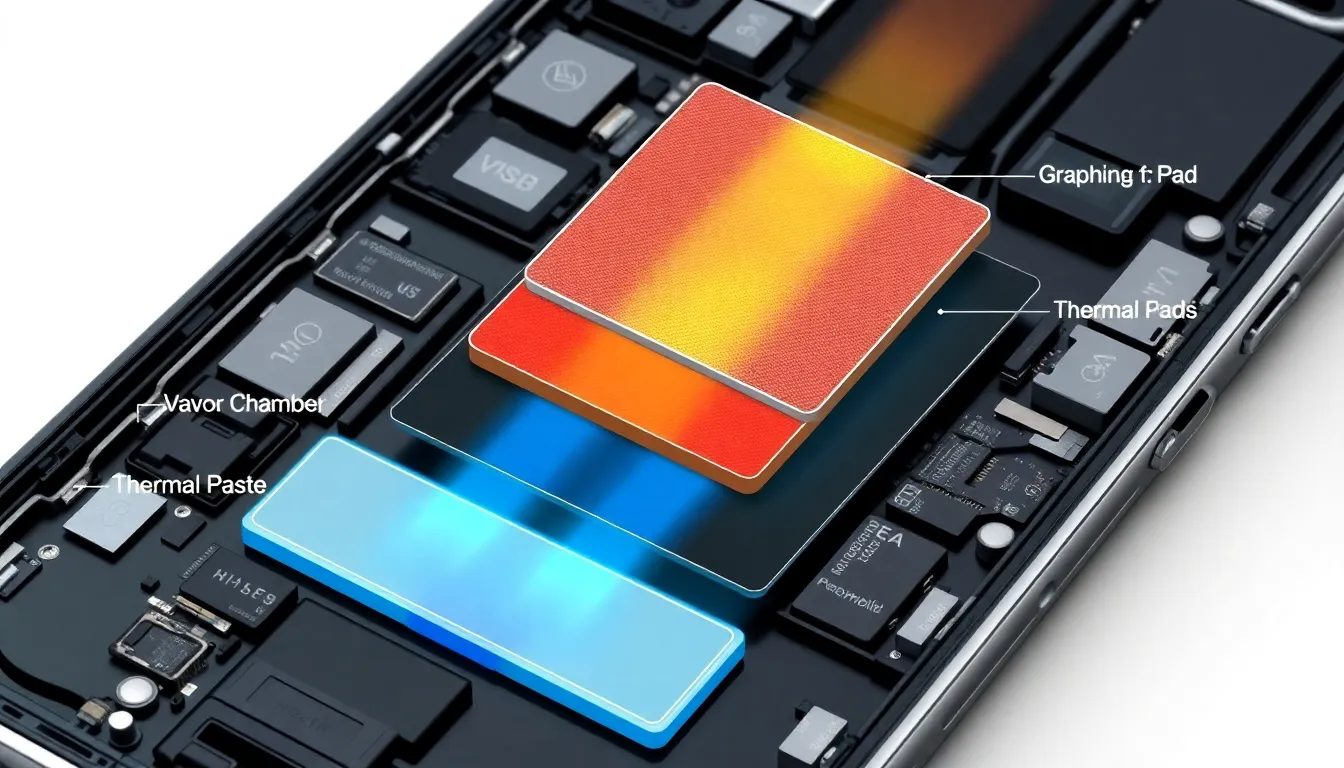
The Galaxy S26 Ultra features a redesigned cooling system that incorporates four distinct layers for improved heat dissipation. The system consists of a vapor chamber slightly wider at the top, a graphite pad, thermal pads, and thermal paste. This represents an enhancement over the Galaxy S25 Ultra, which utilized only the first three components.
The addition of thermal paste represents a significant improvement in thermal transfer efficiency. While thermal pads have been commonly used in previous models and generally provide adequate performance, thermal paste is considered superior for transferring heat. The Galaxy S26 Ultra employs both solutions to effectively move heat away from the device's chips, through the thermal pads and graphite pad, and ultimately into the vapor chamber for dissipation.
Maintained Repairability Despite Thinner Design
Perhaps more surprising than the cooling improvements is how Samsung has managed to maintain high repairability standards despite the phone's thinner profile and more complex internal layout. The teardown analysis awarded the Galaxy S26 Ultra the same repairability score as its predecessor—9 out of 10 on the same scale.
This achievement is notable considering the engineering challenges involved in creating a slimmer device while incorporating additional cooling components. The consistent repairability score suggests Samsung has carefully balanced design improvements with maintenance accessibility, potentially making the device more appealing to consumers who value long-term usability and repair options.
Engineering Implications
The combination of enhanced cooling and maintained repairability represents a significant engineering accomplishment. The four-layer cooling system likely contributes to sustained performance during intensive tasks by preventing thermal throttling, while the preserved repairability score indicates thoughtful design choices that prioritize both performance and longevity.
This approach aligns with growing consumer interest in devices that offer both cutting-edge performance and practical maintenance options. The teardown findings suggest Samsung has successfully addressed thermal management challenges without compromising the device's serviceability, potentially setting a new standard for flagship smartphone design.
Conclusion
The Galaxy S26 Ultra teardown reveals a carefully engineered device that balances advanced thermal management with practical repairability. The new four-layer cooling system, featuring the strategic addition of thermal paste, represents a meaningful upgrade in heat dissipation technology. Meanwhile, the maintained high repairability score demonstrates that performance enhancements don't necessarily come at the expense of serviceability. These findings highlight Samsung's continued focus on both immediate performance and long-term device sustainability in its flagship smartphone lineup.