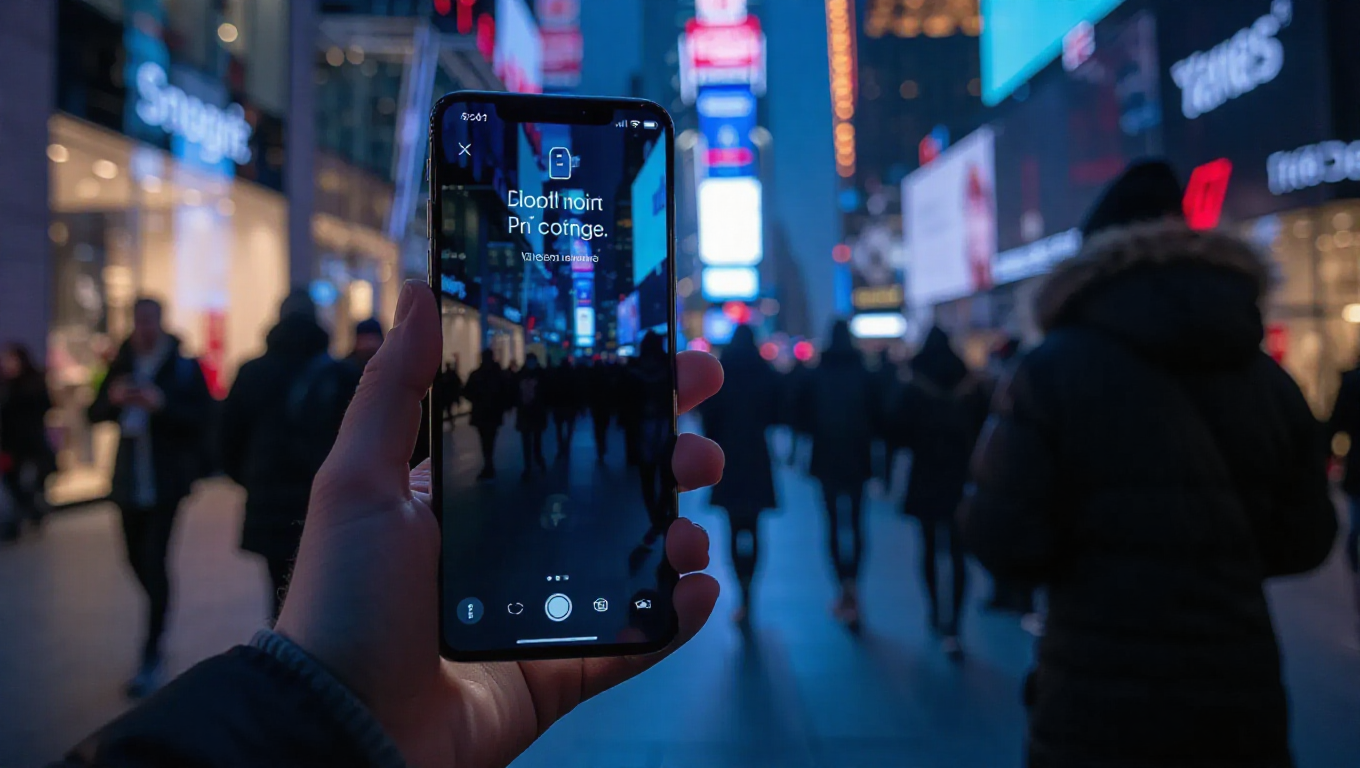
Galaxy S26 Ultra's Privacy Display: A Breakthrough Smartphone Feature
In an era where smartphone innovation has largely focused on incremental improvements and software enhancements, Samsung's Galaxy S26 Ultra has introduced what many consider to be the first truly novel hardware feature in years. The device's new Privacy Display represents a significant departure from the refinement-focused approach that has dominated the industry, offering users a tangible advancement in personal security and screen technology.
A Hardware Solution to Privacy Concerns
The Privacy Display technology embedded in the Galaxy S26 Ultra addresses one of the most common modern privacy concerns: shoulder surfing and unwanted screen visibility. Unlike software-based privacy solutions that can be bypassed or require constant user intervention, this hardware implementation provides protection at the physical level. The display uses advanced optical technology to restrict viewing angles, making the screen content visible only to the person directly in front of the device.
This innovation comes at a time when smartphone features have felt somewhat stagnant, with most manufacturers focusing on refining existing technologies rather than introducing genuinely new capabilities. While software continues to evolve rapidly, hardware breakthroughs have become increasingly rare, making the Privacy Display particularly noteworthy.
Technical Implementation and User Experience
The Privacy Display functions through a combination of specialized screen layers and optical filters that control light emission patterns. When activated, the technology narrows the viewing cone significantly, preventing anyone positioned to the side from seeing what's on the screen. Users can toggle the feature on and off as needed, allowing for normal wide-angle viewing when privacy isn't a concern.
Initial impressions suggest the technology works remarkably well without compromising display quality when in standard mode. The transition between privacy and normal viewing modes appears seamless, and the display maintains its vibrant colors and sharp resolution regardless of which mode is active. This balance between functionality and user experience appears to be a key strength of the implementation.
Broader Industry Implications
The introduction of hardware-level privacy protection in a mainstream flagship device could signal a shift in how manufacturers approach smartphone security. Rather than relying solely on software solutions that can be vulnerable to various exploits, this approach integrates protection directly into the device's physical components. This could potentially inspire similar innovations across the industry as privacy concerns continue to grow among consumers.
What makes this feature particularly compelling is its practical utility in everyday situations. From checking sensitive information in public spaces to preventing accidental exposure of private conversations, the Privacy Display addresses real-world scenarios that software solutions often struggle to manage effectively.
Conclusion
The Galaxy S26 Ultra's Privacy Display represents more than just another smartphone feature—it demonstrates that meaningful hardware innovation is still possible in an industry often criticized for incrementalism. By addressing a genuine user need with an elegant hardware solution, Samsung has introduced what may become a standard feature in future devices. As smartphone technology continues to evolve, this type of user-focused innovation could help redefine what consumers expect from their mobile devices, moving beyond mere specifications to consider how technology can better serve practical needs and enhance daily life.