Galaxy S26 Ultra Repairability Analysis: A Mixed Bag for DIY Repairs
As flagship smartphones become increasingly sophisticated, their repairability often suffers, creating frustration for consumers and environmental concerns about electronic waste. The latest entrant in this ongoing debate is Samsung's Galaxy S26 Ultra, a device that promises cutting-edge technology but appears to deliver mixed results when it comes to user-friendly repairs.
Improved Accessibility for Some Components
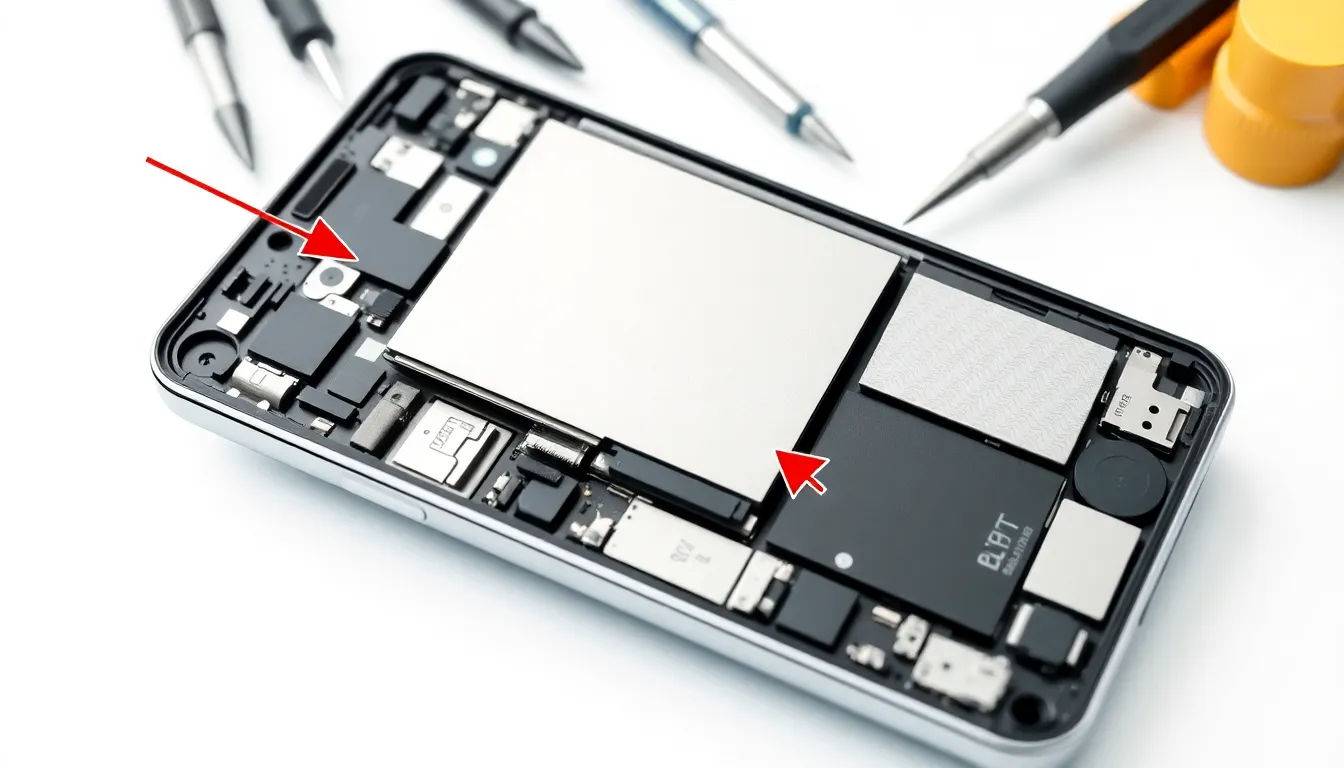
Initial teardown examinations reveal several positive developments in the S26 Ultra's design. Unlike some competitors that use extensive adhesive or proprietary fasteners, the back plate of Samsung's latest flagship can be removed with relative ease, providing straightforward access to internal components. This represents a significant improvement over previous generations where even basic access required specialized tools and considerable risk of damage.
Once inside, several key components demonstrate thoughtful engineering for replacement. The battery, a common failure point in modern smartphones, can be removed without the extreme adhesive challenges that plague many contemporary devices. Similarly, the rear camera array and USB-C port—both components prone to wear and damage—appear designed with replacement in mind, using standardized connectors and reasonable mounting solutions.
Persistent Challenges with Display and Front Camera
Despite these improvements, the S26 Ultra continues to struggle with two critical repair areas: the display and front-facing camera. Removing the display remains a complex, delicate operation that risks permanent damage to both the screen and underlying components. This is particularly problematic given that screen damage represents one of the most common smartphone repair needs.
The selfie camera presents similar challenges. Despite its small size and ostensibly simple function, accessing and replacing this component requires navigating through multiple layers of the device's internal architecture. The difficulty suggests that Samsung has prioritized design integrity and water resistance over serviceability for these particular elements.
Broader Implications for Right-to-Repair
The S26 Ultra's mixed repairability profile reflects broader industry tensions between sleek design, durability, and user serviceability. While easier access to batteries and some internal components represents progress for the right-to-repair movement, the continued difficulty with display and front camera replacement maintains barriers to independent repair.
This approach has environmental implications, as devices that are difficult to repair are more likely to be discarded rather than fixed. It also affects consumer choice, potentially steering users toward manufacturer-authorized repair services rather than independent shops or DIY solutions. The economic impact extends to repair businesses that may struggle with the specialized tools and training required for certain repairs.
Conclusion: Incremental Progress with Room for Improvement
The Galaxy S26 Ultra represents neither a repairability breakthrough nor a regression. Instead, it offers incremental improvements in some areas while maintaining significant challenges in others. The easier access to batteries, rear cameras, and ports suggests Samsung is responding to criticism about serviceability, but the continued difficulty with display and front camera replacement indicates design priorities that still favor manufacturer control over user accessibility.
For consumers, this means that some common repairs may be more feasible than with previous generations, but major components remain challenging to replace without professional assistance. As the right-to-repair movement gains momentum globally, manufacturers like Samsung face increasing pressure to balance their design ambitions with consumer and environmental concerns about device longevity and serviceability.