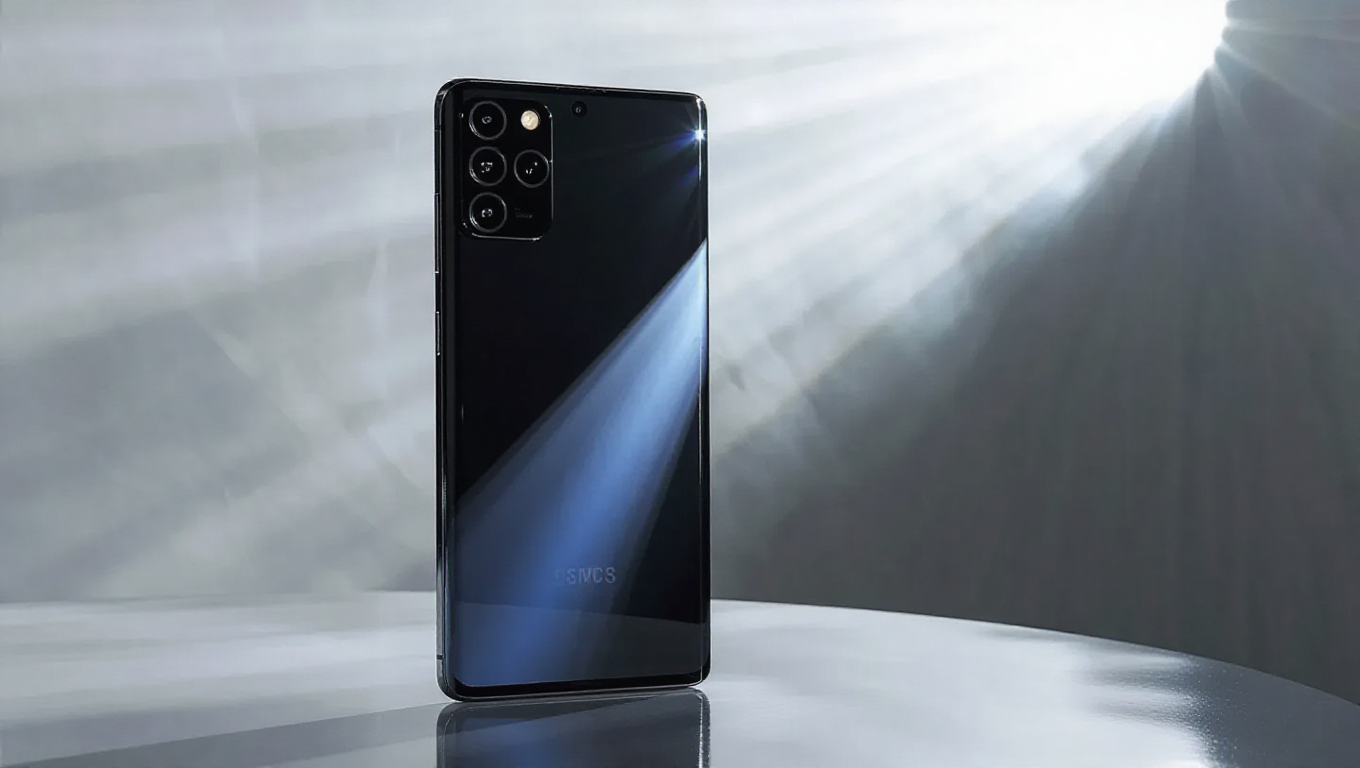
Galaxy S26 Ultra Privacy Display Achieves Breakthrough in Independent Testing
Samsung's latest privacy display technology has received significant validation through independent testing, confirming its ability to protect user information from prying eyes with unprecedented effectiveness. The Galaxy S26 Ultra's display system represents a major advancement in smartphone privacy features.
Independent Verification Confirms Dramatic Performance
The privacy display technology, which utilizes Samsung Display's Flex Magic Pixel OLED system, has undergone rigorous independent testing that reveals remarkable performance metrics. The verification process was conducted by a globally recognized independent testing and certification body, providing objective confirmation of the technology's capabilities.
Testing results demonstrate that the display's brightness drops to just 3.5% when viewed from a 45-degree angle, a significant reduction compared to conventional smartphone displays. Even more impressive is the performance at 60 degrees, where brightness falls below 0.9%, making screen content virtually invisible to anyone not directly facing the device.
Technical Innovation Behind the Privacy Shield
The privacy display technology represents a sophisticated approach to screen visibility control. Unlike traditional privacy filters that can be added to devices, this system is integrated directly into the display hardware, providing seamless functionality without compromising display quality when privacy mode is disabled.
The technology works by precisely controlling the direction of light emitted from the screen, ensuring that only users directly in front of the device can clearly view the content. This approach maintains excellent display quality for the primary user while effectively obscuring the screen from side angles.
Implications for Mobile Privacy
This advancement in display technology addresses growing concerns about visual privacy in public spaces. With smartphones increasingly used for sensitive communications, financial transactions, and personal data access, the ability to prevent shoulder surfing has become a critical feature for many users.
The independent verification of these performance metrics provides consumers with confidence in the technology's effectiveness. The dramatic reduction in side-angle visibility represents a significant improvement over previous privacy display solutions and conventional smartphone screens.
Balancing Privacy and Usability
One of the key challenges in privacy display technology has been maintaining excellent screen quality when privacy features are not needed. The integrated approach allows users to switch between privacy and normal viewing modes seamlessly, ensuring that display quality isn't permanently compromised for privacy protection.
The technology also appears to avoid common issues with earlier privacy solutions, such as reduced brightness or color accuracy when privacy features are active. This balance between privacy protection and display quality represents a significant engineering achievement.
Conclusion
The independent verification of the Galaxy S26 Ultra's privacy display technology marks a significant milestone in smartphone privacy features. With brightness reductions to just 3.5% at 45 degrees and below 0.9% at 60 degrees, the technology provides unprecedented protection against visual eavesdropping.
This advancement demonstrates how hardware-level innovations can address modern privacy concerns without compromising user experience. As mobile devices continue to handle increasingly sensitive information, such integrated privacy solutions are likely to become standard features in premium smartphones, setting new expectations for personal data protection in public spaces.