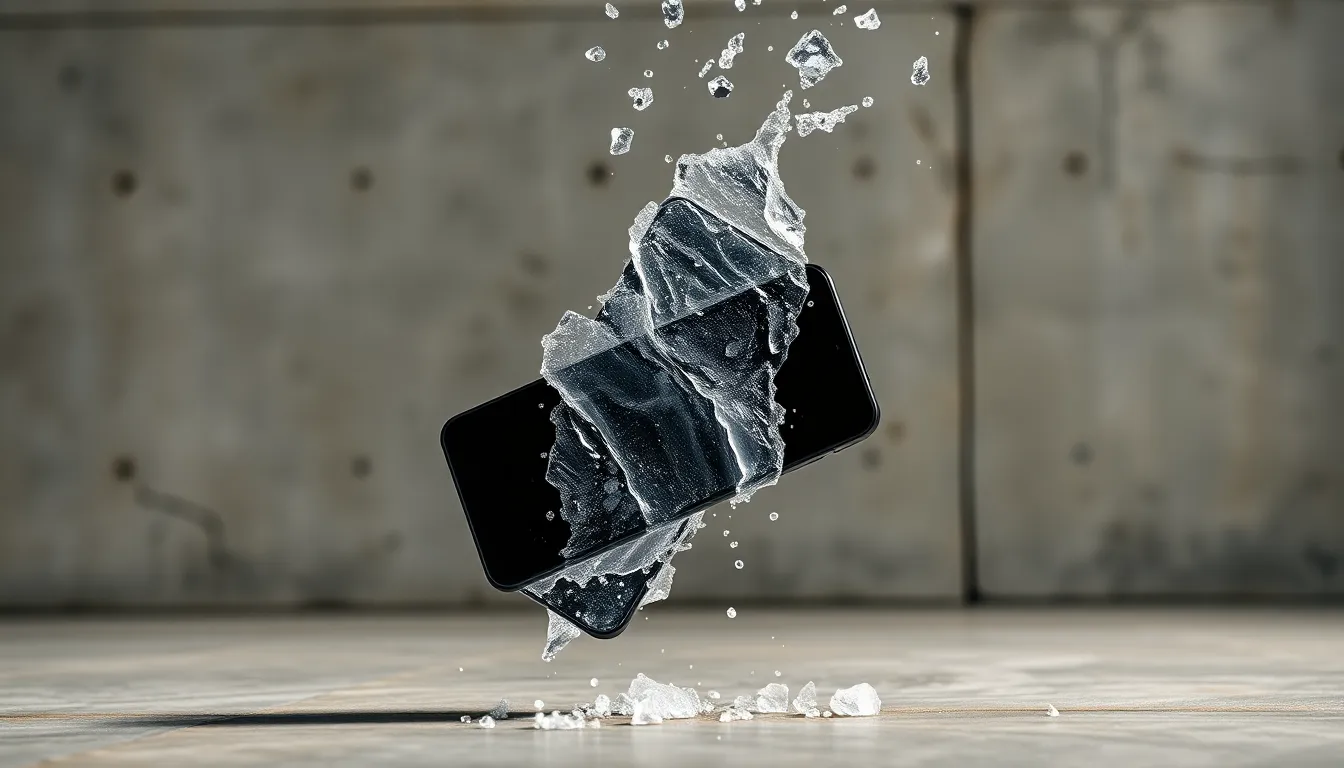
Galaxy S26 Ultra Drop Test: Assessing Samsung's Titanium-to-Aluminum Shift
Samsung's decision to revert from a titanium frame to Armor Aluminum 2 for the Galaxy S26 Ultra has been a point of discussion, framed by the company as a strategic choice for a thinner, lighter design. But how does this material change hold up under real-world stress? A recent series of controlled drop tests provides some concrete answers.
The Test and Immediate Results
The durability assessment involved subjecting the Galaxy S26 Ultra to drops from various heights onto concrete. The overall outcome was positive, with the Armor Aluminum 2 frame demonstrating significant resilience. It survived the impacts without suffering any major structural failures, bending, or compromising the phone's core integrity.
However, the test was not without a casualty. The lens covering the new 50MP telephoto camera cracked following its first direct impact with the concrete surface. This isolated failure suggests that particular component may be a vulnerability point, potentially due to the phone's overall thinner profile and slimmer camera rings.
Cosmetic Comparisons and Material Debate
While the frame itself remained functional, a closer inspection revealed a nuanced difference in cosmetic wear. Reports from the test indicate that the bumps and scratches inflicted on the S26 Ultra's aluminum frame appeared slightly deeper and more noticeable than comparable damage would be on the titanium frame of its predecessor, the S25 Ultra. This aligns with the inherent properties of the materials, where aluminum can dent more visibly than harder titanium.
Samsung's rationale for the switch centers on achieving an optimal balance. The company has stated that Armor Aluminum 2 was selected as the ideal material to support the S26 Ultra's thinner and lighter form factor, aiming to deliver strength without sacrificing in-hand comfort or the desired aesthetic. This explanation mirrors past justifications for material choices in other models, highlighting the situational nature of such engineering decisions.
Performance in Context
The results become more impressive when considering the S26 Ultra's design context. It is noted as the thinnest Ultra model Samsung has ever produced, with a profile measuring just 7.9mm. Achieving this level of durability in such a slim package is a notable engineering feat. The Armor Aluminum 2 material, while perhaps not as premium-feeling as titanium, clearly provides substantial protection where it counts most.
For everyday users, the practical takeaway is that the phone is exceptionally sturdy. The risk of catastrophic damage from typical accidental drops appears low. The primary trade-off for the thinner design and different material might be a slightly higher likelihood of visible surface scuffs over time, rather than a compromise in core durability.
Conclusion
The drop test ultimately suggests that Samsung's material downgrade is more about semantics than substance in terms of protection. The Galaxy S26 Ultra proves to be a highly durable device. The cracked camera lens serves as a reminder that extreme impacts can find a weak point in any design, but the Armor Aluminum 2 frame successfully safeguarded the phone's essential structure. For consumers, the choice may come down to whether the benefits of a thinner, lighter phone outweigh the potential for more noticeable cosmetic wear compared to a titanium model.