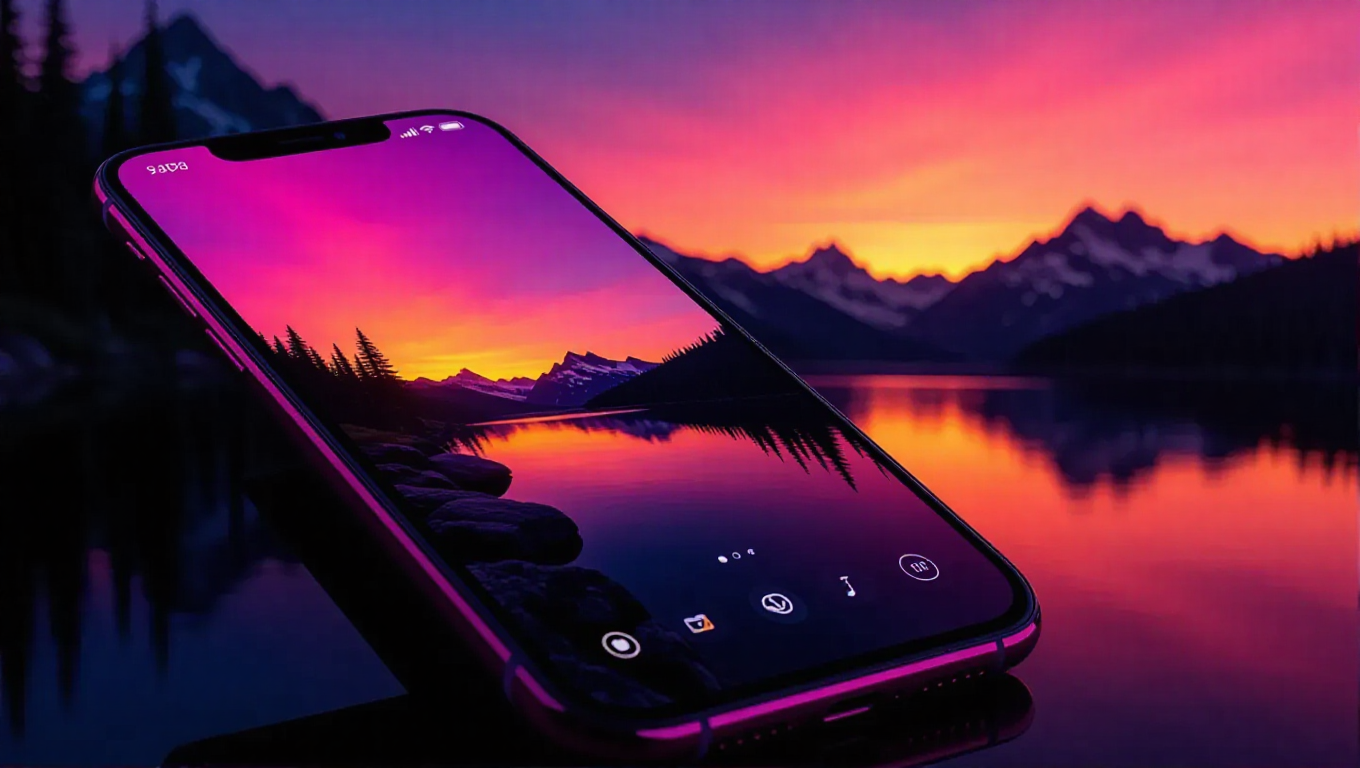
Galaxy S26 Ultra Could Bring Another Practical Display Upgrade
Samsung has consistently pushed the boundaries of smartphone display technology with each flagship iteration. The Galaxy S26 Ultra appears poised to continue this trend, with emerging details suggesting not just one, but two significant and practical enhancements to its screen. Beyond the previously rumored Privacy Display feature, a more fundamental upgrade in color reproduction is now on the horizon.
The Shift to 10-Bit Color
The core of this upgrade is a move from the 8-bit display panels used in previous Galaxy models to a new 10-bit panel. This technical leap represents a substantial increase in color depth. An 8-bit panel can display approximately 16.7 million colors, which has been the standard for high-end smartphones. In contrast, a 10-bit panel can reproduce over 1.07 billion colors.
This expanded color palette translates to tangible benefits for the user. The most immediate improvement is in color accuracy, particularly when viewing High Dynamic Range (HDR) content from streaming services or captured on the device itself. Colors will appear more vibrant, nuanced, and true-to-life. Furthermore, the upgrade directly addresses a subtle but noticeable issue known as color banding.
Color banding occurs when a display cannot produce a smooth gradient between similar shades, resulting in visible stripes or "bands" in areas like a sunset sky or a solid color wall. The 10-bit panel's vastly greater number of color steps minimizes this effect, creating smoother, more seamless transitions.
Efficiency and Performance Gains
The display improvements are not solely about visual fidelity. Reports indicate the Galaxy S26 Ultra will utilize a 6.9-inch OLED panel built with next-generation M14 materials. This new substrate is understood to be more power-efficient than its predecessors.
The efficiency gain is twofold. First, the panel itself is engineered to consume less power while achieving the same high brightness levels that Samsung's displays are known for. Second, the improved color reproduction means the display can render content more accurately without needing to overcompensate, which can also save energy. Combined, these factors could contribute to a meaningful extension of the device's battery life on a single charge, making the display upgrade a practical benefit beyond just aesthetics.
A Focused Enhancement
This potential upgrade underscores a focused approach to refining the smartphone experience. Instead of purely chasing higher peak brightness numbers or resolution, the move to 10-bit color targets the quality of the image itself. It aims to make everyday viewing—from photos and videos to gaming and web browsing—richer and more consistent.
When paired with the anticipated Privacy Display feature, which limits the screen's viewing angles to prevent shoulder surfing, the Galaxy S26 Ultra's display is shaping up to be a multifaceted tool. It promises both a superior personal media experience and enhanced security in public settings.
Conclusion
While official specifications remain under wraps, the rumored display upgrades for the Galaxy S26 Ultra point to a thoughtful evolution. The shift to a 10-bit color panel addresses specific quality-of-life improvements like color accuracy and banding, while new panel materials hint at better overall efficiency. If these reports hold true, Samsung's next Ultra flagship will offer a display that is not only more capable but also smarter in its power consumption, reinforcing the display as a central pillar of the premium smartphone experience.