Galaxy S26 Ultra Display Specs: 8-Bit vs 10-Bit Color Depth Explained
The launch of Samsung's Galaxy S26 Ultra has been accompanied by some confusion regarding one of its key display specifications. While the device was officially announced with numerous upgrades, conflicting information has emerged about whether its display supports 8-bit or 10-bit color depth.
The Source of Confusion
During the Galaxy Unpacked 2026 event and subsequent press briefings, Samsung representatives communicated that the Galaxy S26 Ultra features a display with 10-bit color depth. This represents a significant upgrade from the 8-bit displays found on previous models, offering 1.01 billion colors compared to 16 million colors.
However, Samsung's official website for the Galaxy S26 Ultra lists the display as having "16 million colors," which corresponds to 8-bit color depth. This discrepancy between official communications and published specifications has created uncertainty among consumers and technology enthusiasts.
Evidence Supporting 10-Bit Display
Multiple sources confirm that Samsung has consistently stated the Galaxy S26 Ultra features a 10-bit display across all three models in the S26 series. This information was provided during media briefings and has been verified through independent analysis.
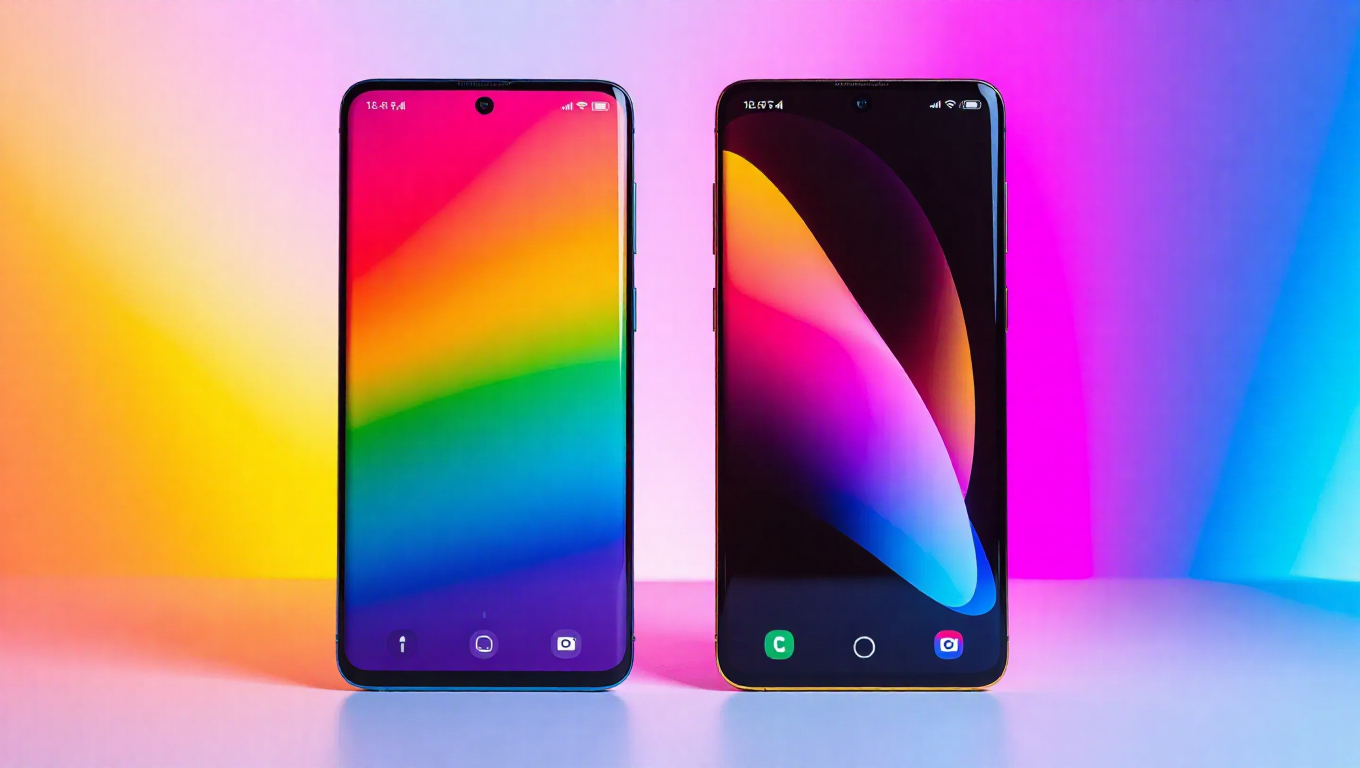
Visual demonstrations provide compelling evidence for the 10-bit claim. Side-by-side comparisons between the Galaxy S25 Ultra and Galaxy S26 Ultra show noticeable differences in color gradient rendering. The S25 Ultra displays visible banding in color transitions, a characteristic of 8-bit displays, while the S26 Ultra shows smooth gradients without banding, consistent with 10-bit color depth capabilities.
Possible Explanations for the Discrepancy
The most likely explanation for the conflicting information appears to be an error in Samsung's website documentation. Given that Samsung has been listing "16 million colors" for smartphone displays for years, it's plausible that the website team simply carried over the standard specification without updating it to reflect the new 10-bit capability.
This type of oversight is not uncommon in the technology industry, where marketing materials and technical specifications sometimes fall out of sync during product launches. The visual evidence and consistent messaging from Samsung representatives strongly suggest that the Galaxy S26 Ultra does indeed feature a 10-bit display.
Implications for Users
The difference between 8-bit and 10-bit color depth is most noticeable in content with subtle color gradients, such as sunset photographs, gradient backgrounds, and HDR video content. The 10-bit display should provide smoother transitions between colors and reduced banding, resulting in a more visually pleasing experience for users who consume high-quality media.
It's worth noting that while the Galaxy S26 Ultra's 10-bit capability has been confirmed, the status of the standard Galaxy S26 and S26+ displays remains less clear. Samsung has indicated all three models feature 10-bit displays, but specific confirmation for the non-Ultra models may require further verification.
Conclusion
Despite the conflicting information on Samsung's official website, the evidence strongly supports that the Galaxy S26 Ultra features a display with 10-bit color depth. The visual demonstrations showing absence of banding, combined with Samsung's consistent messaging to media outlets, indicate this is a genuine upgrade from previous models. The website discrepancy appears to be an administrative oversight rather than an indication of actual specifications. As with any new technology, users should verify these capabilities through hands-on experience when possible, but current evidence suggests Samsung has delivered on its promise of improved display technology with the Galaxy S26 Ultra.