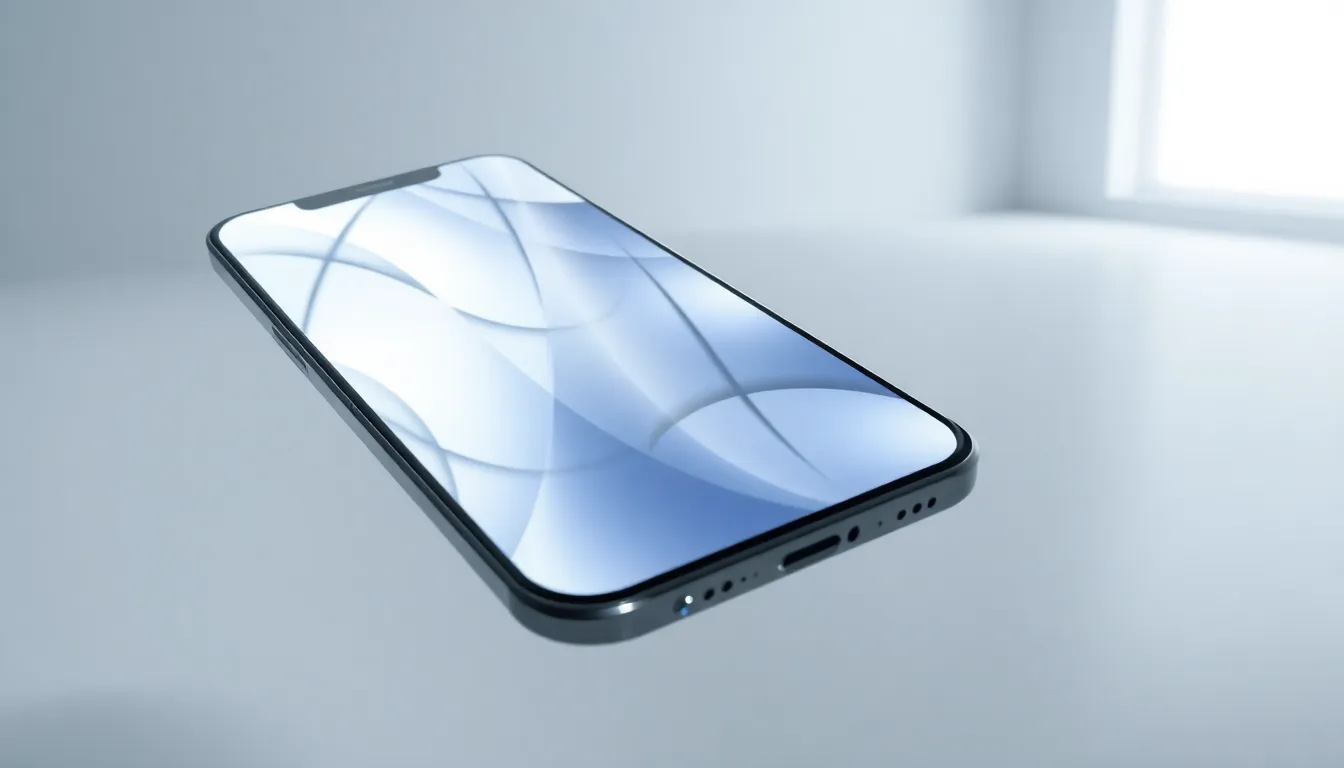
Galaxy S26 Ultra Display May Eliminate Need for Screen Protectors
Samsung's Galaxy S Ultra series has consistently pushed the boundaries of display technology with each iteration, introducing stronger glass and improved protection features. The upcoming Galaxy S26 Ultra appears poised to continue this tradition with what could be the most significant display advancement yet—one that might render screen protectors unnecessary for many users.
A Multi-Faceted Display Revolution
The Galaxy S26 Ultra is rumored to feature a new generation of Gorilla Glass that addresses multiple pain points traditionally solved by aftermarket screen protectors. This comprehensive approach targets not just scratch resistance but also reflection management, privacy concerns, and optical clarity.
According to emerging information, the display will incorporate an advanced anti-reflective coating designed to eliminate the need for matte screen protectors. This coating should reduce glare significantly while maintaining the screen's vibrant colors and sharpness. Additionally, the implementation of CoE non-polarized light technology aims to provide exceptional clarity without the optical compromises often associated with protective films.
Perhaps most notably, the new Gorilla Glass is described as having "ultra-high strength" properties that could make tempered glass screen protectors redundant. While specific technical details remain unconfirmed, this suggests a substantial improvement in both scratch resistance and impact protection compared to current smartphone glass technologies.
Built-In Privacy and Practical Benefits
The display upgrades extend beyond physical protection. The Galaxy S26 Ultra is expected to include a built-in privacy display feature that limits screen visibility from side angles. This integrated technology would eliminate the need for privacy films that users often apply to prevent shoulder surfing in public spaces.
If these rumors prove accurate, the practical benefits for users could be substantial. Without the need for screen protectors, the device would maintain its intended slim profile and lightweight design. Users would also avoid compatibility issues between cases and screen protectors—a common frustration in the smartphone accessory market. The financial savings from not purchasing screen protectors, while modest individually, could add up significantly across the device's lifespan.
Industry Implications and User Experience
This potential advancement represents more than just a technical specification upgrade—it signals a shift in how manufacturers approach device durability. By integrating protection features directly into the display rather than relying on aftermarket solutions, Samsung could set a new standard for flagship smartphones.
The move aligns with broader industry trends toward more durable devices that require fewer accessories. However, it remains to be seen how this technology will perform in real-world conditions, particularly regarding long-term scratch resistance and the repairability of the display assembly.
For consumers, the elimination of screen protectors would simplify the smartphone ownership experience. The tactile feel of the original glass, often preferred by many users, would be preserved without compromising protection. The display's optical qualities would also remain uncompromised by additional layers that can sometimes affect touch sensitivity or color accuracy.
Conclusion
While official confirmation from Samsung is still pending, the rumored display advancements for the Galaxy S26 Ultra suggest a significant leap forward in smartphone durability and user convenience. By potentially eliminating the need for screen protectors through integrated solutions, Samsung appears to be addressing multiple user pain points simultaneously.
As the smartphone industry continues to evolve, such innovations could redefine expectations for flagship devices. The Galaxy S26 Ultra, if these rumors prove accurate, may not only offer cutting-edge specifications but also deliver a more streamlined and durable user experience that challenges conventional accessory dependencies.