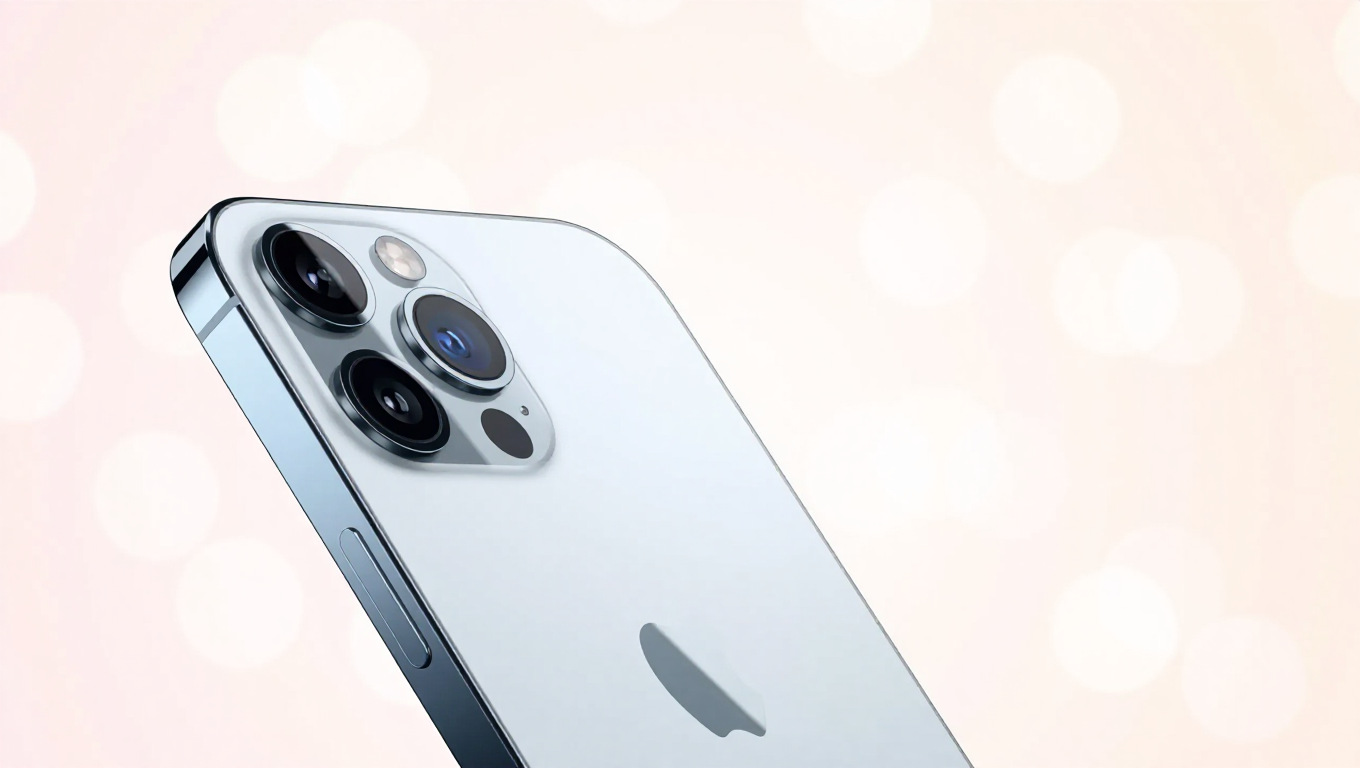
Galaxy S26 Ultra Camera: Potential Fixes for Lens Flare and Skin Tones
As anticipation builds for Samsung's next flagship smartphone series, camera performance remains a central focus. While major hardware overhauls may not be in the cards for the Galaxy S26 Ultra, emerging information suggests targeted software and optical enhancements could address specific, persistent photographic criticisms.
Targeting Known Pain Points
The camera system on Samsung's Ultra models has consistently delivered high-resolution detail and versatile zoom capabilities. However, certain optical artifacts and color rendering choices have drawn feedback from users and reviewers alike. Two of the most frequently mentioned areas for improvement are lens flare in challenging lighting conditions and a tendency for skin tones to appear overly warm or yellow in certain scenarios.
Reports indicate that the S26 Ultra may receive updates specifically designed to mitigate these issues. The improvements are said to focus on "improved flare" control through advancements in lens design and anti-reflective coatings. Simultaneously, adjustments to image processing algorithms aim to deliver more natural and accurate skin tone reproduction, moving away from the pronounced yellow cast noted in some previous generations.
The Context of Competition
These potential fixes arrive in a market where several competitors have already prioritized similar refinements. Other smartphone manufacturers have invested heavily in lens coatings, complex lens elements, and computational photography to suppress ghosting and flare. Likewise, the pursuit of authentic skin tone representation has become a significant battleground in mobile photography, with brands touting more nuanced and consistent color science.
For Samsung, addressing these specific critiques would represent a responsive evolution rather than a revolutionary change. It signals an intent to polish an already powerful imaging system, focusing on the qualitative experience and consistency that enthusiasts and professionals demand. Success in these areas could significantly enhance the perceived quality of images taken in backlit situations, against bright light sources, or in portrait photography.
A Focused Iteration
The rumored changes underscore a maturation in flagship smartphone development. With sensor sizes and megapixel counts reaching a plateau for many users, the emphasis is shifting to refinement, reliability, and eliminating shortcomings. Improving flare resistance and color accuracy are precisely the types of incremental gains that can have a substantial impact on daily user satisfaction and the overall perception of a device's camera prowess.
If accurate, these adjustments would demonstrate Samsung's attentiveness to detailed user feedback. The goal appears to be not just matching the competition on spec sheets but delivering a more polished and dependable photographic tool that performs well across a wider array of real-world conditions, ultimately providing users with greater confidence in their shot outcomes.