Galaxy S26's Rumored Magnetic Feature: Why It May Not Matter for Case Users
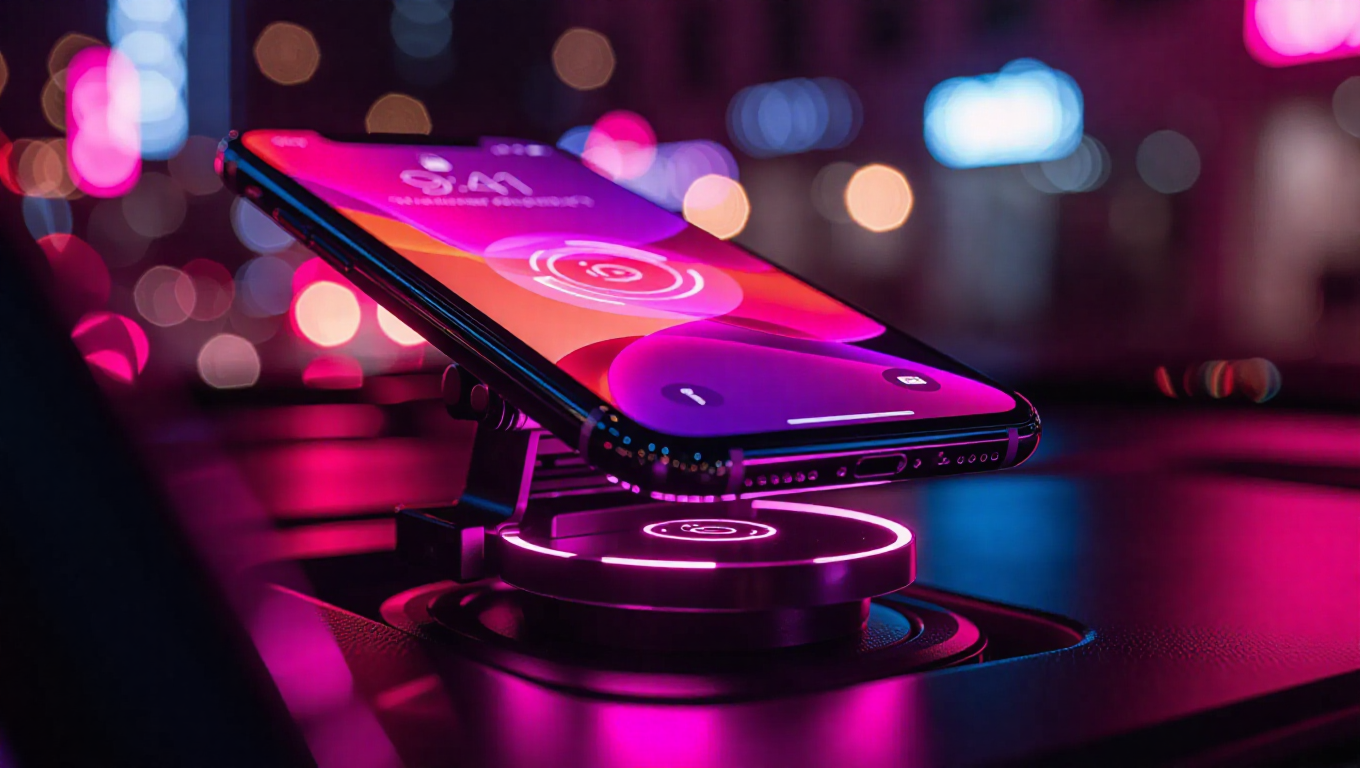
As anticipation builds for Samsung's next flagship series, one rumored upgrade for the Galaxy S26 has captured attention: built-in magnets designed to enable direct attachment to MagSafe-style accessories without requiring a case. While this sounds like a convenient innovation on paper, a closer examination reveals that its practical impact may be minimal for the majority of users who protect their devices with cases.
The Magnetic Upgrade in Context
The inclusion of magnets in smartphones is largely driven by the evolution of wireless charging standards, particularly Qi2. This standard doesn't inherently increase charging speeds but focuses on improving consistency in charging and accessory alignment. Phones with integrated magnets achieve this alignment automatically. However, for devices without built-in magnets, a magnet-enabled case can deliver nearly identical functionality, making the phone-level feature somewhat redundant for case users.
Why Cases Neutralize the Benefit
Once a smartphone is encased, any built-in magnets become irrelevant unless the case itself supports magnetic accessories. This is already the current reality for many users. Those wishing to utilize magnetic wireless chargers, car mounts, stands, or battery packs can simply purchase cases with integrated magnets, which are widely available. Consequently, the rumored built-in magnets in the Galaxy S26 would primarily benefit individuals who opt not to use a case—a choice that, while valid, represents a minority among smartphone owners.
The Real Advancement: Qi2.2 Charging Speeds
Reports suggest the Galaxy S26 series will support the newer Qi2.2 standard, which represents a more significant upgrade. Unlike the basic Qi2, Qi2.2 enables faster wireless charging, with speeds potentially reaching up to 25W for the Galaxy S26 Ultra and 20W for the standard S26 and S26+ models. This enhancement addresses a long-standing demand for improved wireless charging performance. Importantly, these faster speeds stem from the updated standard itself, not from the presence of magnets, highlighting that the magnetic feature and charging improvements are distinct aspects of the phone's rumored capabilities.
Practical Implications for Users
For consumers using flagship Galaxy phones released in 2025, magnetic accessories are already accessible with compatible cases. The addition of built-in magnets in the S26 would thus offer little change in daily usage for case adopters. While the feature is undeniably convenient and likely welcomed by users who prefer caseless designs, it does not fundamentally alter how most people interact with their devices or accessories.
Conclusion
The rumored built-in magnets in the Galaxy S26 series represent an incremental upgrade that may not translate to meaningful benefits for the majority of users. While convenient for those who forego cases, the feature is largely neutralized by the widespread use of protective cases, which can already incorporate magnetic functionality. The more impactful advancement appears to be the support for Qi2.2, which promises faster wireless charging speeds. Ultimately, while built-in magnets are a nice addition, they are unlikely to change the user experience significantly for case-dependent consumers.