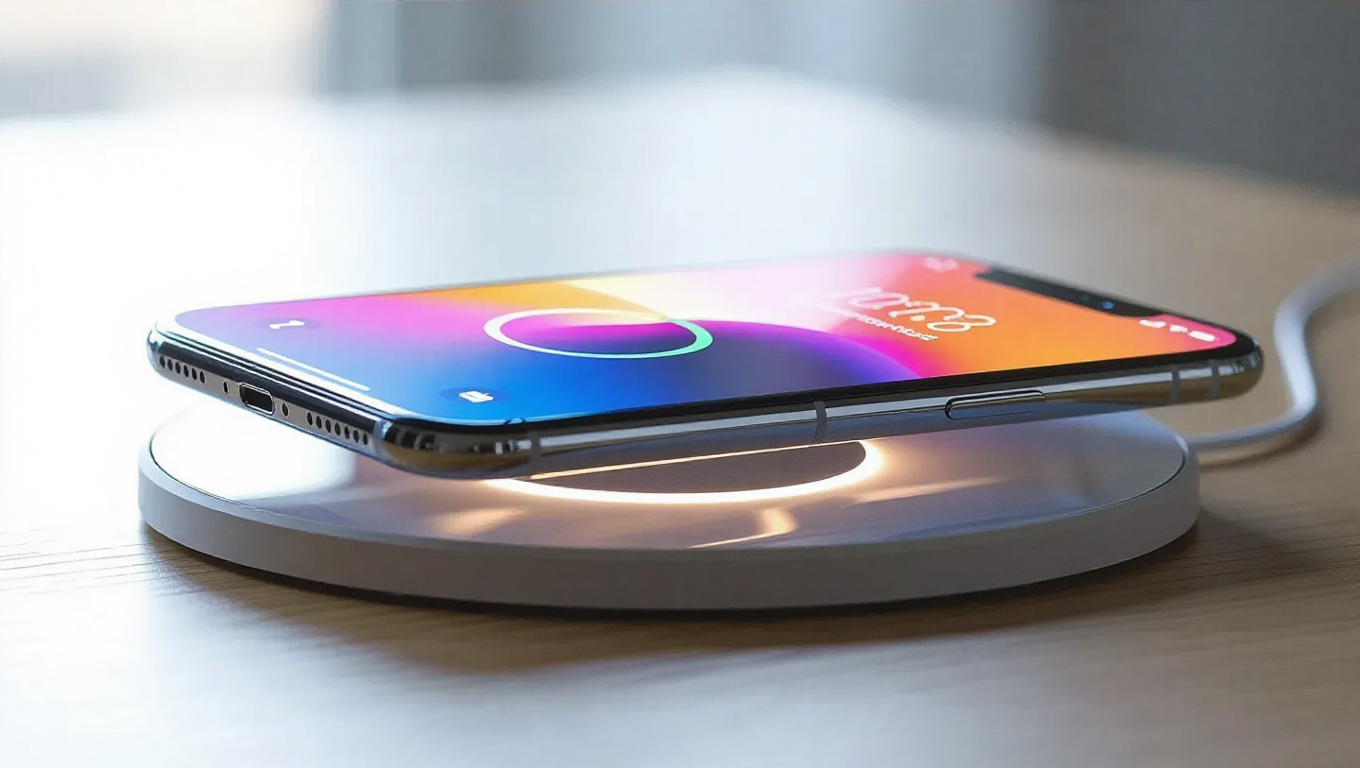
Galaxy S26's Qi2 Omission: A Disappointment, Not a Deal-Breaker
Recent leaks suggest the upcoming Galaxy S26 series will not feature built-in Qi2 magnets for magnetic wireless charging, a decision that has sparked mixed reactions among tech enthusiasts. While some view this as a missed opportunity for convenience, the choice appears to stem from a fundamental compatibility issue with Samsung's existing Wireless PowerShare technology.
The Qi2 vs. Wireless PowerShare Trade-Off
Reports indicate that Qi2 magnetic charging and Wireless PowerShare—Samsung's reverse wireless charging feature—are technically incompatible due to magnetic interference with the reverse charging coil. This creates a clear either-or scenario for smartphone manufacturers. Google's Pixel 10 lineup, for example, reportedly chose Qi2 magnets over reverse wireless charging. Samsung seems to have made the opposite choice for the S26, preserving Wireless PowerShare at the expense of Qi2 integration.
The Fading Relevance of Wireless PowerShare
Wireless PowerShare debuted with considerable fanfare on the Galaxy S10, marketed as a futuristic battery-sharing capability that could even power compatible laptops. However, the feature's prominence has diminished in recent years. Newer Galaxy Watches have dropped the technology to achieve slimmer designs, and consumer usage appears to be occasional rather than essential for most users.
The Practical Appeal of Qi2 Magnets
Qi2 magnetic charging offers tangible daily benefits: effortless alignment on wireless chargers, secure attachment to car mounts without clamps, and a more streamlined accessory ecosystem. For many users, these conveniences would represent friction removed from daily life rather than an emergency feature used sparingly.
A Balanced Perspective
The absence of Qi2 support in the Galaxy S26 is disappointing for those who value magnetic charging's convenience, but it doesn't necessarily constitute a deal-breaking omission. Samsung may compensate with other upgrades, such as anti-reflective Gorilla Armor 2 displays across the entire S26 lineup. The decision ultimately reflects a calculated trade-off: preserving a signature (if less frequently used) feature versus adopting a new convenience technology that would require sacrificing that feature entirely.
For users who regularly employ Wireless PowerShare to charge earbuds, watches, or other devices, Samsung's choice may feel justified. For others, the lack of Qi2 represents a missed opportunity for improved daily usability. In either case, the S26's charging approach highlights the ongoing balancing act smartphone manufacturers face when integrating competing technologies within physical constraints.