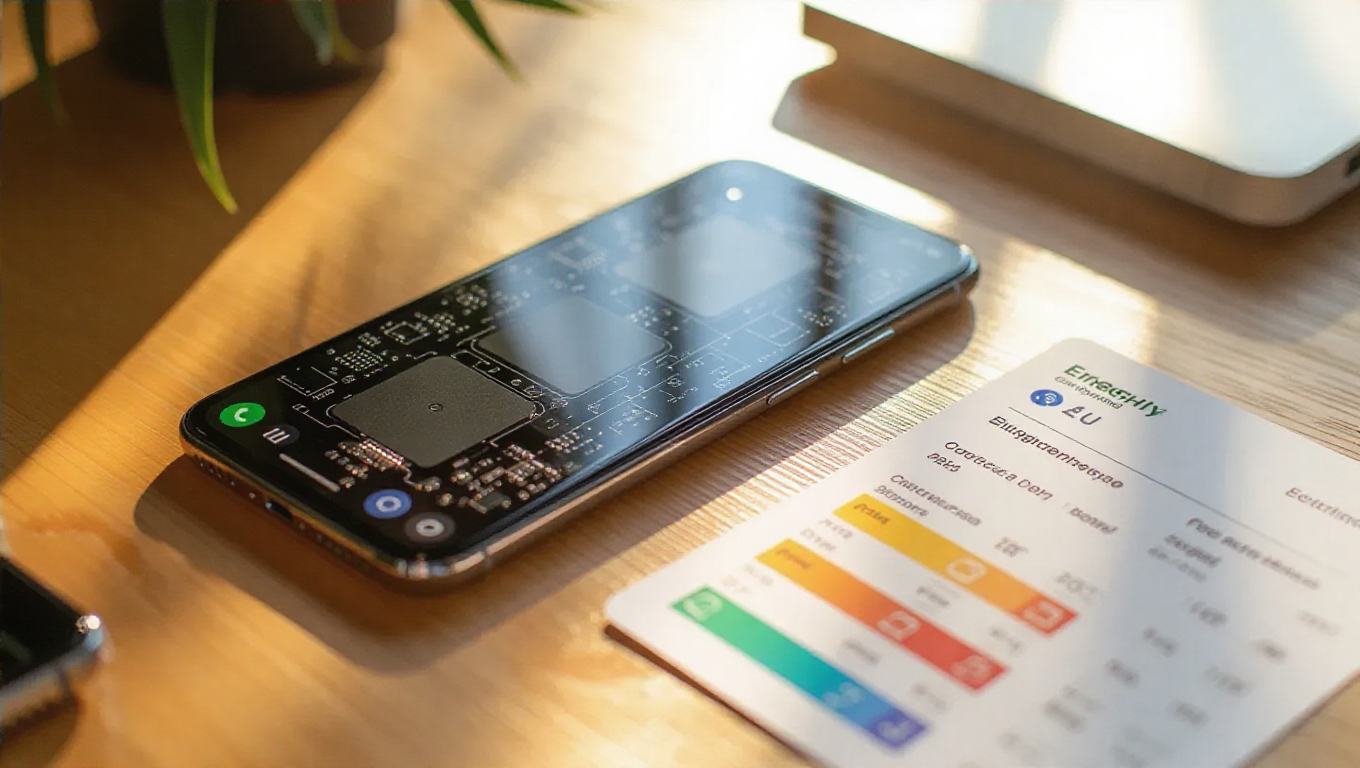
Galaxy S26 EU Energy Labels Leak: Durability, Repairability & Battery Specs Revealed
Leaked regulatory documents have surfaced online, providing detailed insights into the durability, repairability, and battery performance of Samsung's upcoming Galaxy S26 series. The EU Energy labels for the Galaxy S26, S26+, and S26 Ultra appear to confirm several key specifications ahead of the devices' official launch.
Key Specifications from the Leaked Labels
The leaked labels indicate that all three models in the Galaxy S26 series—the S26, S26+, and S26 Ultra—share identical ratings in several critical categories. Each phone is listed with a Class A rating for energy efficiency, a significant point of focus in modern smartphone design. For physical durability, the devices have achieved a Class A rating for "free fall reliability," which measures resistance to damage from drops. This suggests Samsung has maintained or improved the structural robustness seen in previous generations.
In terms of repairability, the labels show a Class C rating. This classification, while not the highest, provides a standardized measure of how easily the devices can be serviced, potentially influencing future repair policies and consumer choice. All models also carry the familiar IP68 rating for dust and water resistance, a standard for high-end Samsung smartphones.
Battery Performance and Longevity Details
The battery information from the labels reveals both strengths and a notable comparison with the previous generation. The Galaxy S26 is listed with a battery life of 51 hours on a single charge, while the S26+ and S26 Ultra are both rated for 55 hours. These figures represent a substantial increase over the Galaxy S25 series, which was rated at approximately 37 hours for the base model, 44 hours for the Plus, and 45 hours for the Ultra.
However, the labels also indicate a potential trade-off regarding long-term battery health. The Galaxy S26 series is rated to maintain 80% of its original battery capacity through 1,200 charge cycles. In contrast, the Galaxy S25 series was rated for 2,000 charge cycles to reach the same 80% threshold. This suggests that while the new phones may offer longer usage per charge, their batteries might degrade slightly faster over years of use compared to their immediate predecessors.
Analysis and Market Context
The leaked data, if accurate, paints a picture of iterative but meaningful improvements. The jump to Class A energy efficiency across the board aligns with broader industry and regulatory pushes for more sustainable electronics. The maintained high durability (Class A) and water resistance (IP68) are expected for flagship devices, ensuring the phones meet premium build standards.
The Class C repairability rating will likely be scrutinized by advocates for right-to-repair movements, as it indicates a moderate level of serviceability. The battery specifications present a mixed story: significantly improved single-charge endurance is a clear win for users, but the reduced cycle count for longevity could be a point of discussion regarding overall product lifespan and sustainability.
As with all pre-launch leaks, these details should be considered unofficial until confirmed by Samsung. The EU Energy label system provides a standardized framework for comparison, making this leak a valuable, if unconfirmed, preview of the Galaxy S26 series' core resilience and power management features.