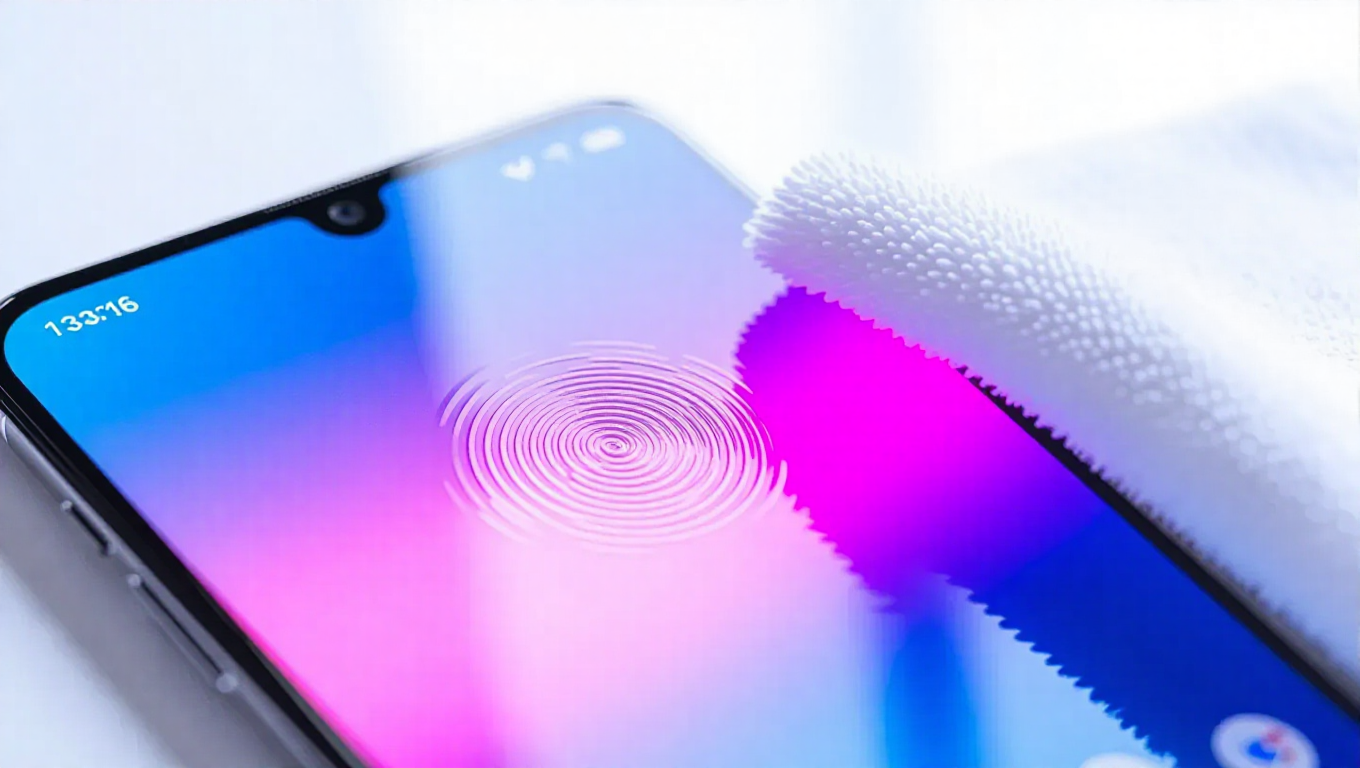
If Your Galaxy S24 Screen Feels Worse Lately, Welcome to the Club
Galaxy S24 and S24+ users who purchased their devices at launch are reporting a common experience: their once-pristine displays now attract fingerprints more easily and feel harder to keep clean. This isn't a defect or imagination—it's a predictable consequence of smartphone technology aging as intended.
The Culprit: Worn Oleophobic Coating
The issue stems from the oleophobic coating applied to smartphone displays during manufacturing. This thin layer helps repel oils and makes fingerprints easier to wipe away. However, like any protective coating, it has a finite lifespan—typically around two years with regular use.
As the coating wears down through daily contact with fingers, pockets, and cleaning, the underlying glass becomes more exposed. This leads to increased smudging, a stickier feel during swiping gestures, and generally reduced display clarity. The phenomenon affects the entire smartphone industry, not just Samsung devices, and represents a normal aspect of long-term device ownership.
Practical Solutions for Restored Display Performance
Several approaches exist for addressing worn oleophobic coatings, ranging from simple to more involved solutions:
Screen Protectors: Applying a quality screen protector can effectively mask the worn coating while providing fresh oleophobic properties. Many modern protectors come with their own coatings that restore the smooth, fingerprint-resistant feel.
Coating Reapplication: DIY oleophobic coating kits are available for users comfortable with careful application. These products can restore the oil-repellent properties, though results may vary based on application technique and product quality.
Professional Screen Replacement: For users seeking factory-fresh performance, screen replacement remains an option, though this represents the most expensive solution for what is essentially a cosmetic and tactile issue.
Note for S24 Ultra Owners: The Galaxy S24 Ultra's anti-reflective display technology presents additional considerations. As this screen type is relatively new in smartphones, less information exists about safe coating reapplication methods. Ultra users should exercise additional caution and research before attempting any restoration procedures.
Conclusion: A Normal Part of Smartphone Aging
The increased smudging experienced by two-year-old Galaxy S24 devices represents expected wear rather than manufacturing defects. While frustrating for users accustomed to their displays' original performance, this development signals normal technological aging rather than product failure.
Most users will find satisfactory solutions through screen protectors or coating reapplication, both of which restore the pleasant tactile experience without requiring device replacement. As smartphone technology continues to evolve, manufacturers may develop more durable coatings, but for now, periodic maintenance remains part of long-term device ownership.