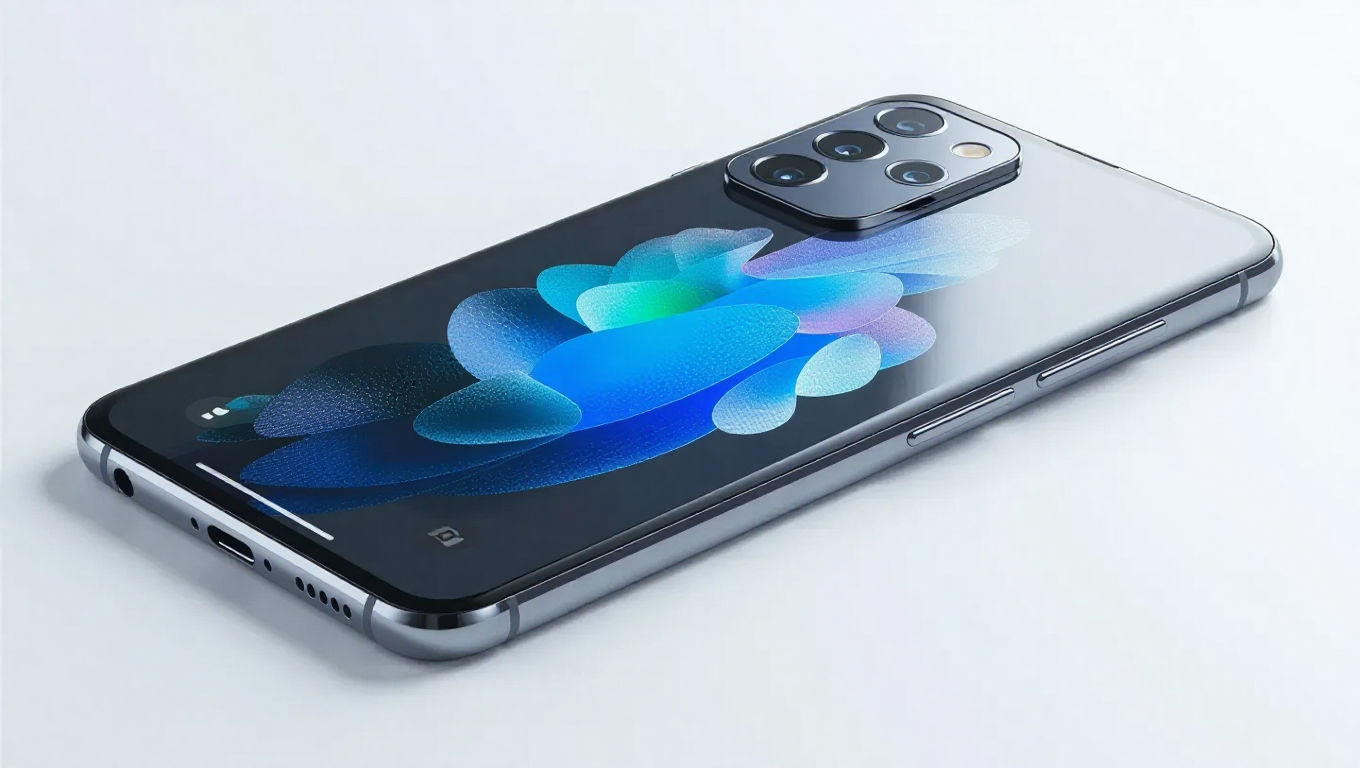
Galaxy S21's Plastic Back: Samsung's Brief Return to Budget-Conscious Flagship Design
In the ever-evolving landscape of premium smartphones, material choices often define a device's character and market positioning. The Galaxy S21 series, launched in 2021, represented one of Samsung's most distinctive design approaches in recent memory, particularly for its controversial use of plastic in the base model's construction.
The Design Dichotomy
The Galaxy S21 series stands out as one of the most visually cohesive Samsung flagship lineups, primarily due to its seamless integration of camera housing and frame design. However, beneath this unified aesthetic lay a significant material discrepancy that set the base model apart from its siblings. While the Galaxy S21+ and S21 Ultra featured Gorilla Glass Victus panels on both front and back, the standard Galaxy S21 made do with a plastic rear panel, creating an unusual tiered approach to build quality within the same product family.
Cost-Cutting or Calculated Choice?
This material stratification represented a departure from the industry norm, where consumers typically expect consistent build quality across different variants of the same flagship series. The base Galaxy S21 combined its plastic back with a Glass Victus-protected display and aluminum frame, creating a hybrid construction that some viewed as a straightforward cost-cutting measure. Interestingly, this approach wasn't entirely unprecedented in Samsung's portfolio, as the base Galaxy Note 20 had employed a similar strategy just months earlier.
Contemporary reactions to the plastic back were surprisingly mixed. Some enthusiasts argued that plastic offered practical advantages, including better impact resistance and potentially lower replacement costs if damaged. At a time when smartphone durability standards were still evolving, the material choice didn't generate the level of controversy one might expect for a premium-priced device.
The Plastic Legacy and Subsequent Evolution
Samsung's flirtation with plastic in its flagship lineup proved short-lived. By the following year, the Galaxy S22 series returned to glass backs across all models, accompanied by enhanced aluminum frames and flat display designs that further improved durability. This rapid reversal suggests that the plastic experiment may not have resonated as well with consumers as Samsung had hoped, or that market expectations for premium materials had solidified beyond what plastic could satisfy.
The Galaxy S21's plastic back places it in an interesting historical context within Samsung's flagship evolution. It marked the first mainline S series device to feature plastic construction since the Galaxy S5, creating a notable gap in the company's material progression. This design choice, combined with other unique characteristics like the S21 Ultra's 25W charging limitation, positions the S21 series as something of an outlier in Samsung's post-2020 premium smartphone strategy.
Conclusion: A Brief Detour in Premium Design
The Galaxy S21's plastic back represents a fascinating chapter in Samsung's flagship design philosophy—a brief experiment in material differentiation that ultimately gave way to the industry's prevailing preference for glass and metal constructions. While the practical benefits of plastic remain valid, consumer expectations for premium tactile experiences and perceived value appear to have won out. The S21 series serves as a reminder that even in the high-stakes world of flagship smartphones, manufacturers continue to test boundaries and occasionally revisit older approaches in search of the perfect balance between cost, durability, and premium perception.