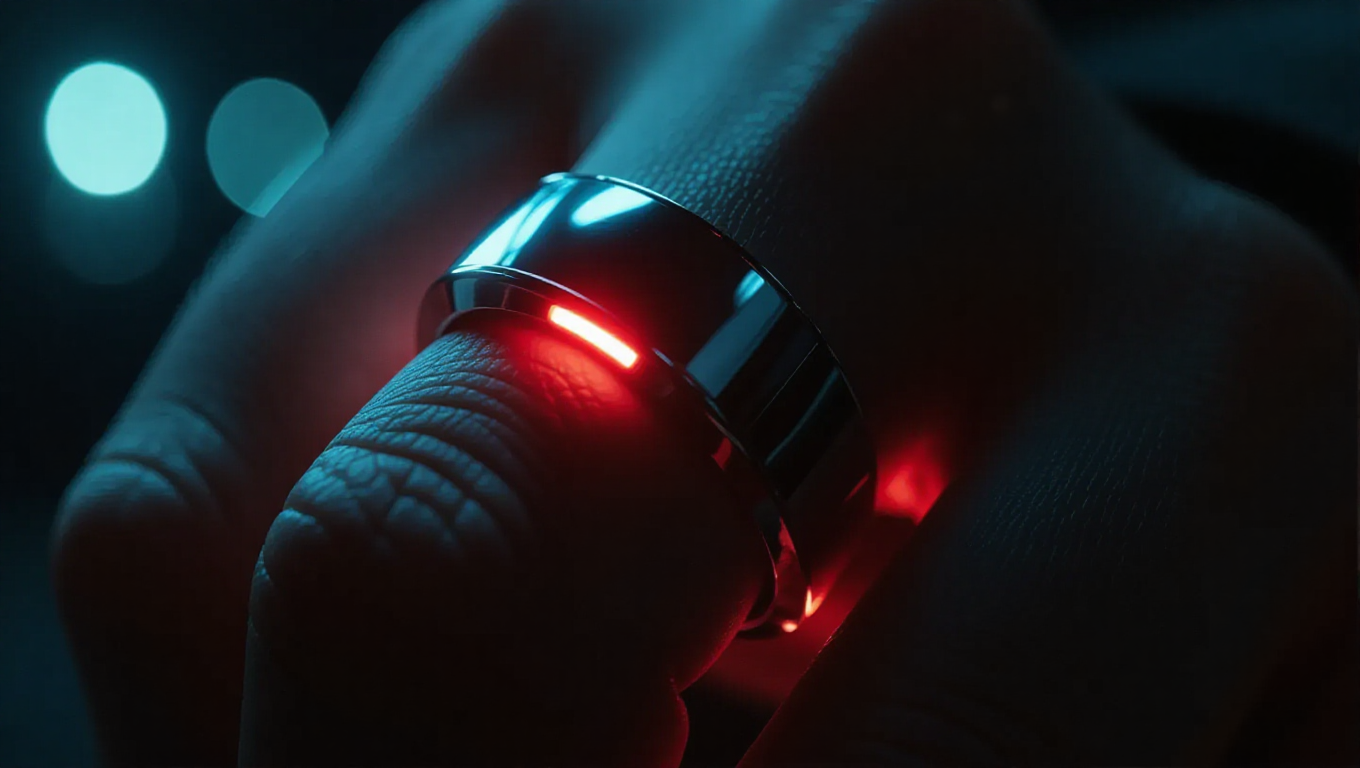
Galaxy Ring Battery Safety: What Not to Do When Your Smart Ring Dies
A recent incident involving Samsung's Galaxy Ring serves as a stark reminder of the importance of proper device maintenance and safety protocols, particularly for wearable technology with integrated batteries.
The Incident: A Swollen Battery After Continued Use
Reports detail a scenario where a Galaxy Ring owner experienced a complete battery failure after approximately nine months of use. The device ceased to hold a charge. Instead of seeking a warranty replacement from the manufacturer, the user reportedly continued to wear the non-functional ring, citing habituation to its presence on their finger.
The situation escalated when the user attempted to charge the long-dead device. Upon handling it, they discovered the ring no longer fit properly and observed visible swelling in the battery compartment. The user subsequently described the device as a potential hazard, expressing concern over the incident.
Manufacturer Response and Warranty Context
This event follows an earlier, isolated case where a Galaxy Ring battery swelled, temporarily trapping the device on a user's finger. An investigation into that prior incident concluded there was no evidence of a widespread battery defect affecting the product line.
Industry analysis of the recent case suggests the core issue was user action, not a systemic product flaw. The device's battery failed within the standard warranty period, during which a free replacement would typically have been available. By continuing to wear a device with a known defective lithium-ion battery, the user inadvertently assumed an unnecessary safety risk.
Key Safety Takeaways for Smart Ring Users
This case highlights critical best practices for consumers of compact wearable electronics:
- Heed Battery Failure Signs: If a device like a smart ring stops holding a charge or powers down unexpectedly, discontinue use immediately.
- Utilize Your Warranty: Contact the manufacturer or retailer promptly if a battery fails during the warranty period. Do not continue using faulty hardware.
- Understand Lithium Battery Risks: A swollen battery is a serious warning sign. It indicates potential internal failure and should be handled with care, away from heat and flammable materials. Do not attempt to charge a swollen battery.
- Prioritize Safety Over Habit: The convenience or familiarity of wearing a device should never override basic electrical safety. A non-functional wearable offers no benefit while potentially posing a risk.
Conclusion: Proactive Care is Essential
While isolated battery failures can occur with any electronic device, user diligence is the first line of defense. The lesson from this Galaxy Ring episode is clear: when a smart wearable's battery dies, the correct response is to stop using it and seek a proper repair or replacement through official channels. Continuing to wear a device with a known battery defect is an avoidable risk that no user should take.