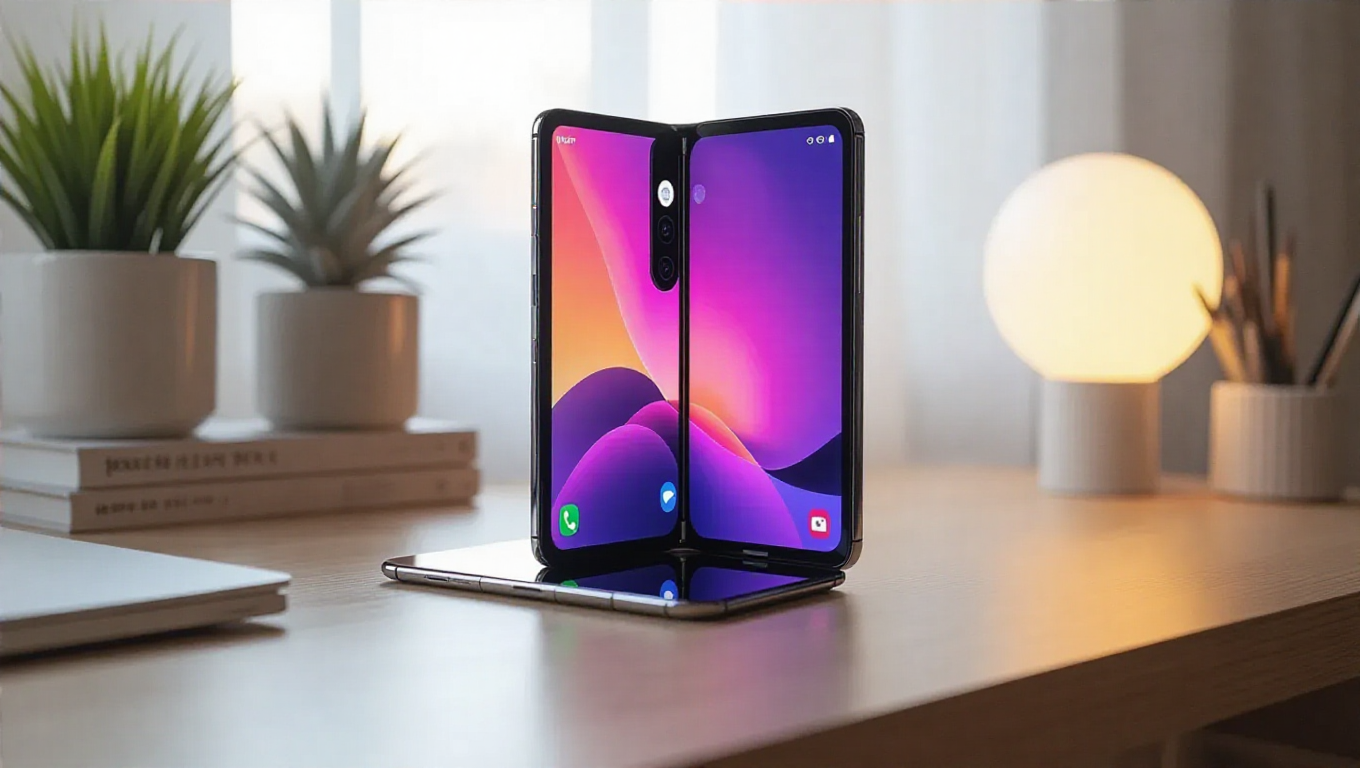
Galaxy Fold 7's Design Choices Spark User Experience Concerns
Samsung's latest foldable flagship, the Galaxy Fold 7, represents a substantial technological leap forward in many areas, yet several design decisions have raised questions about whether practical usability was fully considered during development.
Controversial Feature Removals
The Galaxy Fold 7 marks a departure from previous models with the complete removal of S Pen support. This elimination has disappointed users who relied on the stylus for productivity tasks, note-taking, and creative work on the expansive inner display. The absence creates a noticeable gap in the device's functionality compared to its predecessors and competing devices that maintain stylus compatibility.
Camera Design Regression
Perhaps more puzzling is the decision to revert from an under-display camera (UDC) to a traditional punch-hole selfie camera on the inner screen. While the new camera reportedly captures higher quality photos, this change represents a significant step backward in screen immersion. Previous Galaxy Fold models (from the Z Fold 3 through Z Fold 6) featured "invisible" selfie cameras that maintained a seamless viewing experience, making the return to a visible camera cutout particularly jarring for long-time foldable users.
User Experience Implications
The combination of these changes creates practical challenges. The visible punch-hole camera interrupts content consumption and multitasking on what should be an uninterrupted canvas. Users report that the camera placement interferes with video playback, gaming, and app interfaces in ways that the under-display camera did not. This design choice suggests a prioritization of camera quality over holistic user experience, raising questions about whether the trade-off was necessary or if alternative solutions could have preserved both image quality and screen integrity.
Broader Design Philosophy Questions
These decisions prompt examination of Samsung's foldable design strategy. The removal of established features and regression in screen technology contradict the expected trajectory of refinement in mature product categories. While the Fold 7 introduces genuine improvements in performance, durability, and other areas, these controversial changes overshadow advancements for many users who valued the specific functionalities that have been altered or removed.
The Galaxy Fold 7 demonstrates Samsung's continued innovation in foldable technology but also reveals potential disconnects between engineering decisions and real-world usage patterns. The device's advancements are tempered by choices that prioritize certain specifications over cohesive user experience, particularly for those who valued the S Pen and uninterrupted displays of previous models. As foldable technology matures, balancing cutting-edge features with consistent, intuitive usability remains the central challenge for manufacturers.