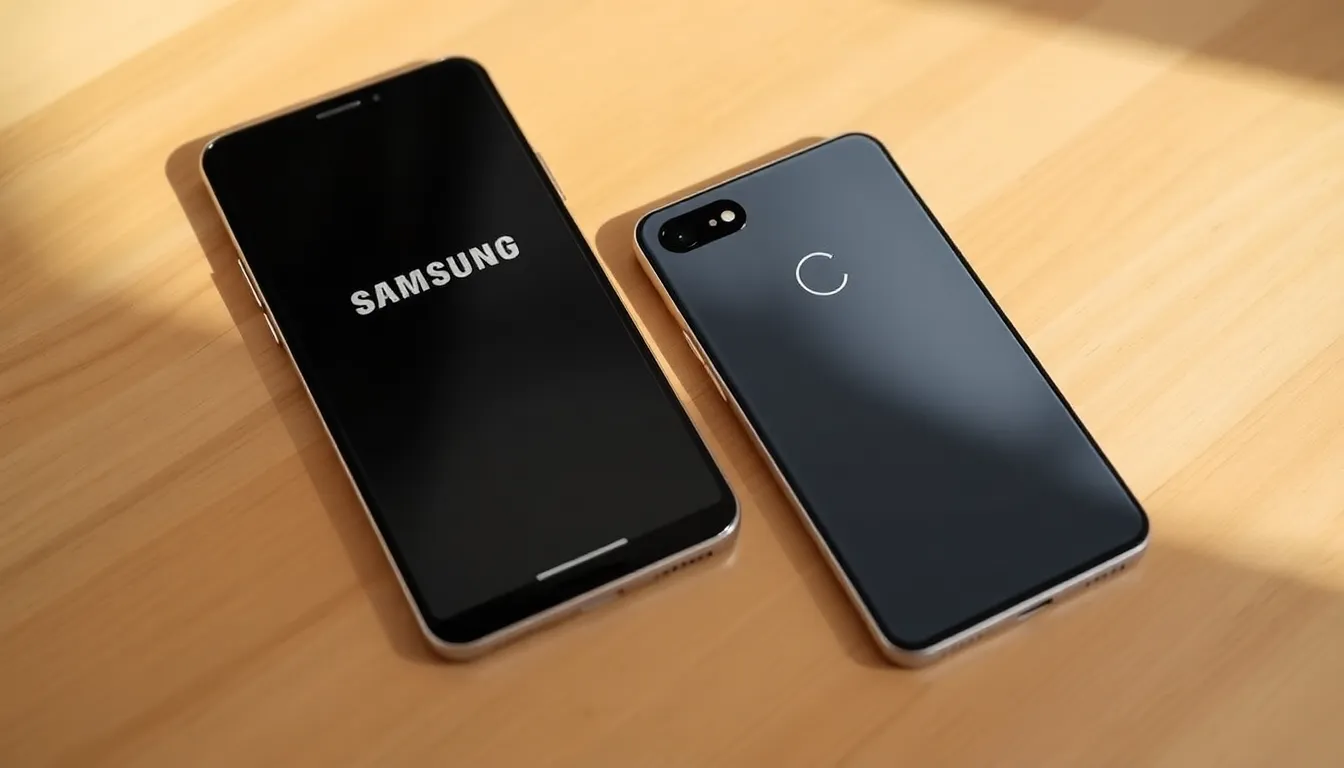
Galaxy A57 vs Pixel 10a: Why the Budget Pixel Wins for Many Users
The smartphone market's mid-range segment has become increasingly competitive, with Samsung's Galaxy A57 and Google's Pixel 10a representing two compelling options. While both devices offer solid value, a closer examination reveals why many users might prefer Google's offering despite Samsung's hardware advantages.
The Hardware vs Software Divide
The Galaxy A57 presents a well-rounded hardware package with a quality display and reliable performance. Samsung's mid-range devices have consistently improved their build quality and feature sets, making them attractive options for users seeking dependable hardware without flagship prices. The device represents Samsung's continued commitment to the budget-conscious market segment.
However, the Pixel 10a demonstrates that hardware specifications don't tell the whole story. Google's approach prioritizes software optimization and user experience over raw specifications. This philosophy results in a device that feels more responsive and cohesive in daily use, despite potentially having less impressive hardware on paper.
Camera Performance and Software Updates
One of the most significant differentiators between these devices lies in their camera systems. While Samsung typically provides capable hardware, Google's computational photography approach delivers consistently impressive results. The Pixel 10a's camera performance often rivals or exceeds that of more expensive devices, making it particularly appealing for photography enthusiasts on a budget.
Software support represents another critical consideration. Google's commitment to timely updates and long-term support gives the Pixel 10a an advantage in terms of security and feature longevity. This aspect becomes increasingly important as users keep their devices for longer periods, making the Pixel's update policy a significant value proposition.
Ecosystem Integration and User Experience
The Pixel 10a benefits from Google's tight integration with its ecosystem services. Features like call screening, live transcription, and intelligent assistant capabilities work seamlessly on Pixel devices. This integration creates a cohesive experience that extends beyond the device itself, connecting users to Google's broader suite of services and features.
While Samsung offers its own ecosystem benefits, Google's approach feels more streamlined and less cluttered. The clean Android experience on Pixel devices appeals to users who prefer minimal bloatware and a more straightforward interface. This simplicity, combined with Google's AI-powered features, creates a user experience that many find more intuitive and efficient.
Conclusion: Personal Preference Meets Practical Value
The choice between the Galaxy A57 and Pixel 10a ultimately comes down to individual priorities. For users who prioritize hardware specifications and Samsung's specific feature set, the A57 represents a solid choice. Its display quality and build materials meet expectations for the price point.
However, for those who value software experience, camera quality, and long-term support, the Pixel 10a presents a compelling alternative. Its strengths in computational photography, timely updates, and ecosystem integration make it the preferred choice for many users, despite potentially having less impressive hardware specifications on paper. The market's diversity ensures both devices will find their audience, but Google's approach to the budget segment continues to challenge traditional hardware-focused competitors.