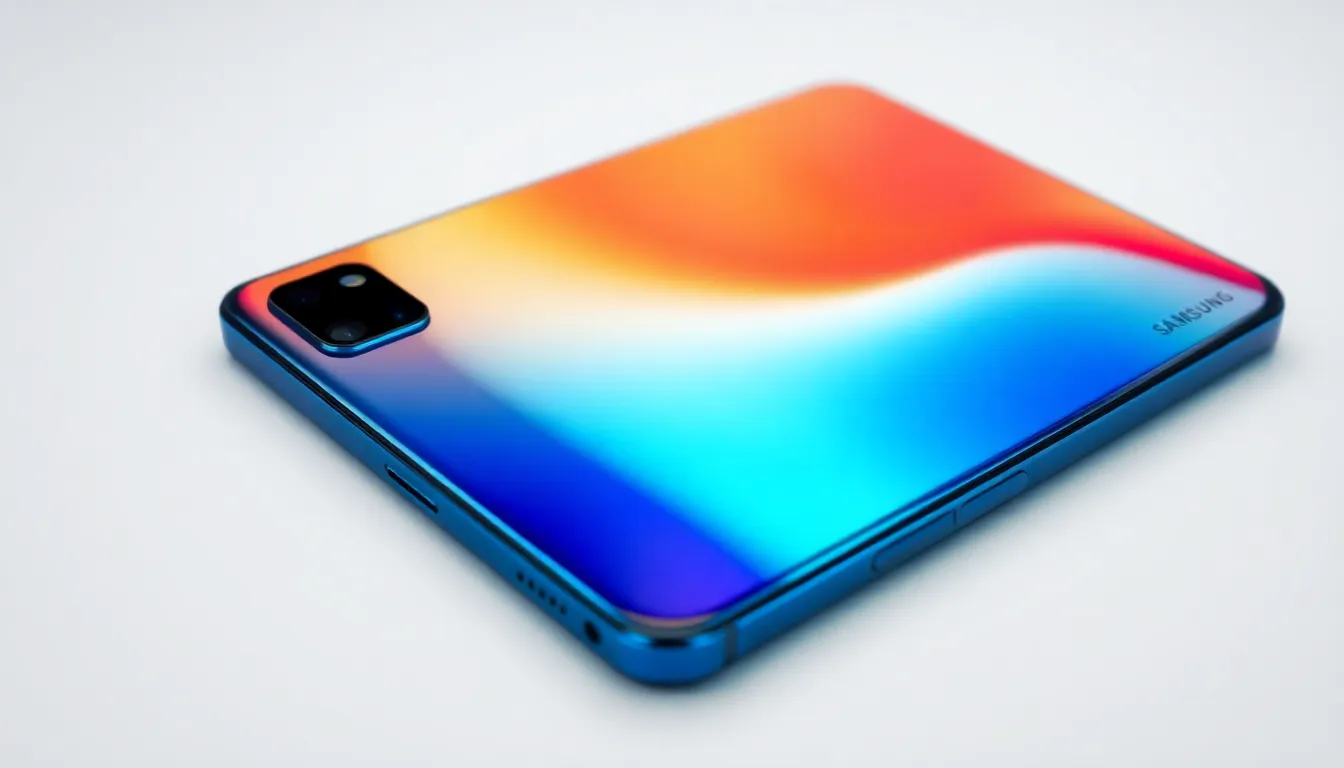
Galaxy A57 Revives Super AMOLED+ Display: Meaningful Upgrade or Marketing Gimmick?
Samsung's latest mid-range offering, the Galaxy A57, has brought back a display technology that seemed destined for retirement. The phone features a Super AMOLED+ panel, replacing the standard Super AMOLED screen found on its predecessor, the Galaxy A56. This marks the first significant return of Super AMOLED+ technology since the Galaxy A73 debuted with it in March 2022.
The Super AMOLED+ Comeback: Technical Evolution
Super AMOLED+ was originally introduced approximately fifteen years ago as an enhancement over standard Super AMOLED displays. The primary distinction lay in subpixel arrangement: Super AMOLED utilized PenTile layout while Super AMOLED+ employed RGB Strip configuration. This difference historically resulted in crisper images and improved energy efficiency.
However, display technology has evolved significantly since then. Most modern Samsung AMOLED panels now use Diamond PenTile layouts, blurring the technical distinctions that once clearly separated Super AMOLED from Super AMOLED+. The Galaxy A57 maintains the same 120Hz refresh rate and 1,900 nits peak brightness as its predecessor, suggesting the practical differences between the two display technologies may be minimal in current implementations.
Regardless of whether the Super AMOLED+ designation represents substantial technical advancement or primarily serves as marketing terminology, the Galaxy A57 delivers more tangible display improvements through its physical design. The phone features thinner bezels on all sides compared to previous models, with symmetrical top and side bezels contributing to a more modern aesthetic, though a chin remains present.
Camera Enhancements: Quality-of-Life Improvements
Beyond display technology, the Galaxy A57 introduces meaningful camera interface enhancements. The most notable improvement is blur-free transitions between zoom levels, particularly when switching between the main (1x) and ultrawide (0.6x) lenses. This represents the first implementation of such smooth zoom transitions in Samsung's A-series smartphones.
This camera improvement builds upon advancements introduced with the Galaxy A56, which significantly reduced lens-switching time from 980ms to 430ms and achieved shooting speeds approaching premium Galaxy S-series devices. While the blur-free transitions won't directly impact photo quality, they contribute to a more responsive and modern camera user experience.
The Galaxy A57 maintains familiar camera specifications including a 50MP wide camera with optical image stabilization and HDR video capabilities, a 12MP ultrawide sensor, 5MP macro shooter, and 12MP front-facing camera. Additional enhancements include an upgraded Image Signal Processor, improved low-light photography with Low Noise Mode, and AI-based subject recognition capabilities.
Conclusion: Incremental Refinement Over Revolutionary Change
The Galaxy A57 represents Samsung's continued refinement of its mid-range smartphone lineup rather than revolutionary transformation. The return of Super AMOLED+ display technology, while historically significant, may offer limited practical benefits given the evolution of AMOLED panel technology over the past decade. More tangible improvements include the phone's thinner bezels and enhanced camera user experience with blur-free zoom transitions.
For consumers considering an upgrade from previous A-series models, the Galaxy A57 offers incremental improvements across multiple areas rather than groundbreaking innovations. The device continues Samsung's pattern of gradually enhancing mid-range smartphones with features previously reserved for premium devices, though the practical impact of the Super AMOLED+ designation requires hands-on evaluation to determine its real-world significance.
The Galaxy A57 is scheduled for release beginning April 10, with European pricing starting at €529. As with any smartphone, prospective buyers should consider whether the specific enhancements offered align with their usage patterns and priorities.