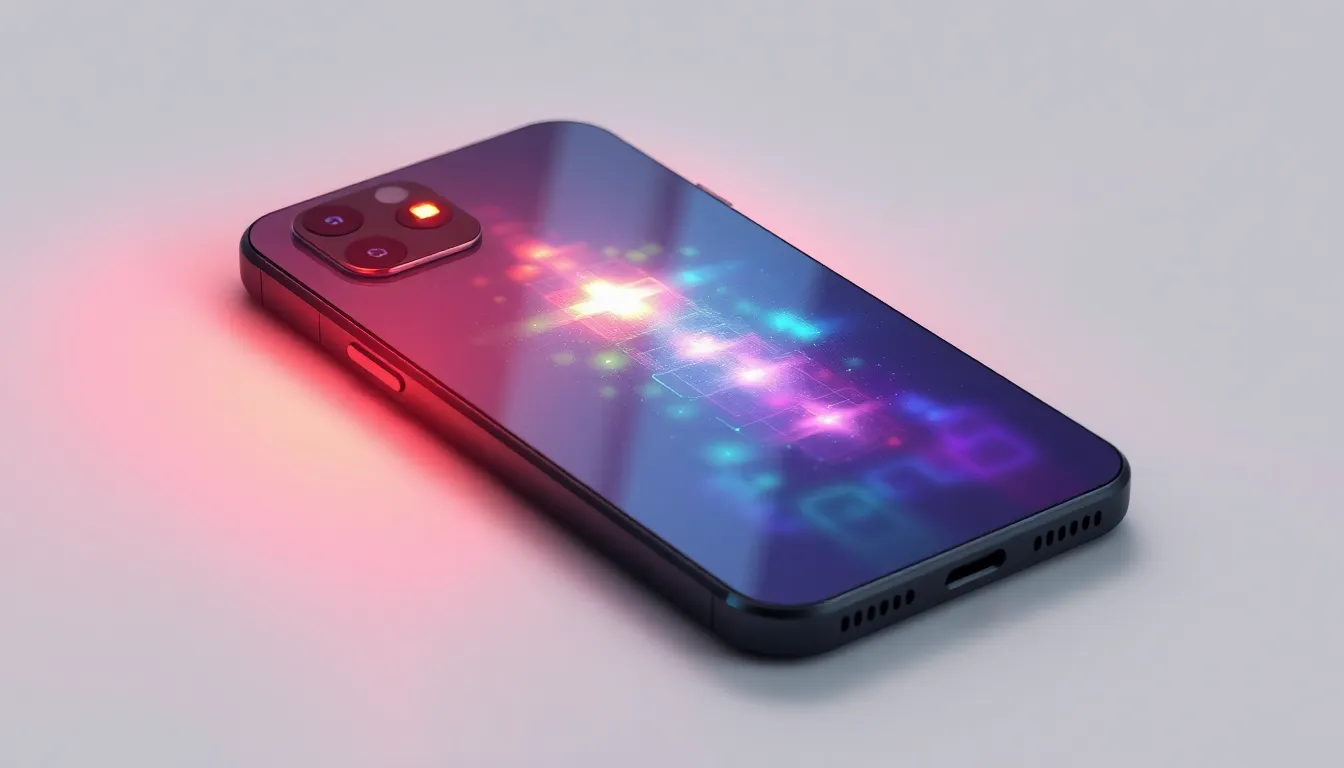
Future iPhone Models May Feature Multispectral Sensors for Enhanced Imaging
Apple has traditionally focused on computational photography to advance its iPhone cameras, but recent developments suggest a shift toward more sophisticated hardware. Rumors indicate the company is exploring multispectral imaging technology for future models, a move that could significantly improve photographic capabilities.
What Multispectral Imaging Brings to Smartphones
Multispectral imaging captures light across multiple wavelength bands, including those invisible to the human eye. Unlike traditional RGB sensors that only detect red, green, and blue light, multispectral sensors gather more comprehensive data about a scene. This technology enables better material differentiation and more accurate depth perception, which could translate to superior portrait photos with precise background separation.
Potential Benefits for iPhone Photography
The additional spectral information could enhance several aspects of iPhone photography. Improved low-light performance might result from capturing more light data across different wavelengths. The technology could also boost computational photography algorithms by providing richer input for image processing. Furthermore, multispectral data might advance visual intelligence features, potentially improving scene recognition and augmented reality applications.
Apple's Camera Hardware Evolution
While Apple has excelled in software optimization, some competitors have adopted more advanced camera hardware earlier. The exploration of multispectral sensors suggests Apple may be addressing this gap. Reports indicate the company has contacted suppliers about the technology, though testing hasn't yet commenced. This development aligns with other rumored camera upgrades, including variable-aperture main cameras and higher-resolution sensors for future Pro models.
Implementation Timeline and Considerations
No specific iPhone models have been confirmed to receive multispectral sensors, and the technology remains in early exploration stages. Implementation would require careful integration with Apple's existing image processing pipeline and likely involve both hardware and software adjustments. The company would need to balance the benefits against factors like cost, power consumption, and physical space within the device.
Conclusion
The potential adoption of multispectral imaging represents an intriguing direction for iPhone camera development. While still speculative, this technology could help Apple maintain its photography leadership by combining new hardware capabilities with its established computational strengths. As smartphone photography continues to evolve, multispectral sensors might become the next frontier in mobile imaging innovation.