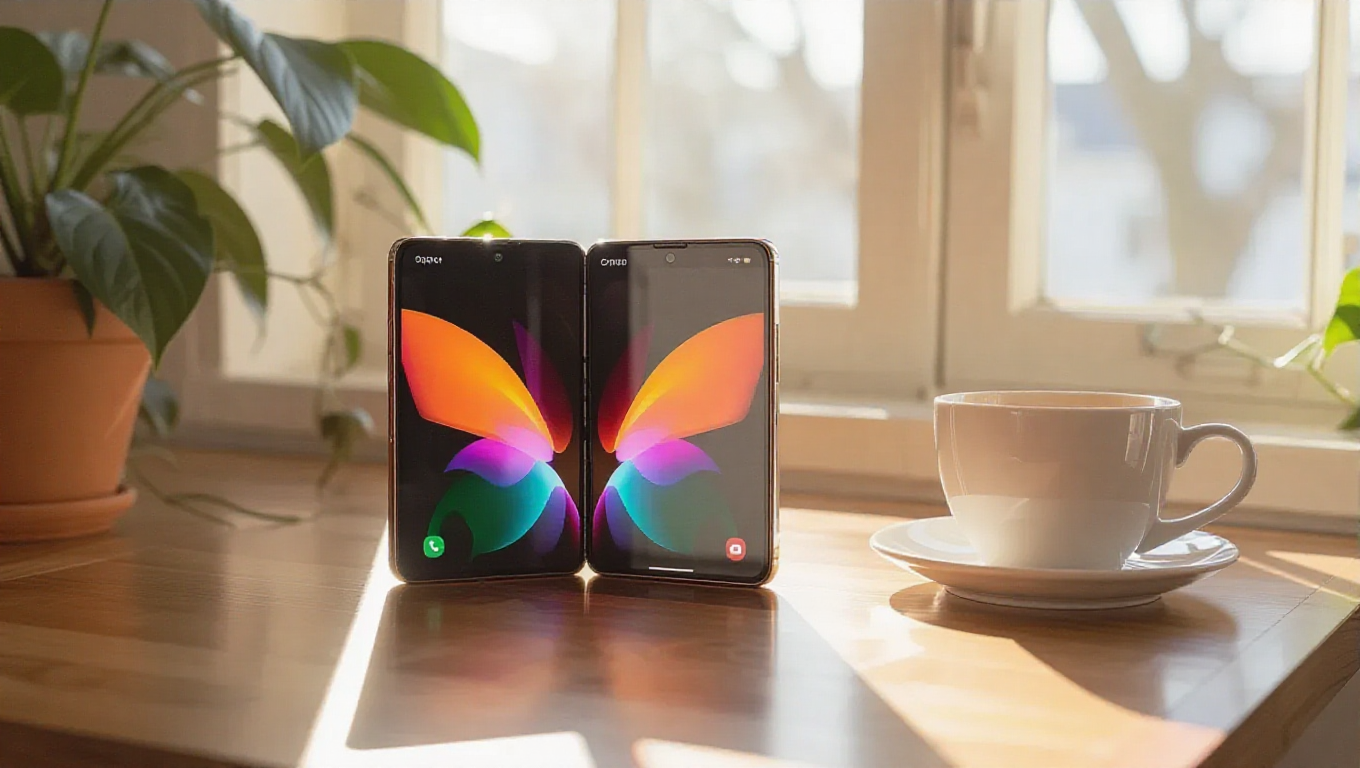
From Skeptic to Convert: How the Galaxy Z Fold 7 Changed Minds on Foldable Phones
Foldable smartphones have long promised to revolutionize mobile computing, but for many users, the reality has fallen short of the vision. Early adopters often faced compromises in durability, usability, or practicality that made these devices difficult to recommend as daily drivers. However, recent advancements suggest the technology may have finally reached a turning point.
A History of Compromise
Previous generations of foldable phones, while innovative, presented significant trade-offs. Users reported concerns about durability, with visible creases, questionable hinge mechanisms, and fragile screens that required careful handling. The software experience often felt underdeveloped, with apps struggling to adapt to the unique form factor. Many found themselves carrying two devices—a foldable for novelty and a traditional smartphone for reliability.
These limitations created a perception gap: while the concept of a foldable phone appealed to tech enthusiasts, the practical reality often disappointed. The devices felt like prototypes rather than polished products, leaving many wondering if the technology would ever mature enough for mainstream adoption.
The Turning Point Experience
Recent extended testing of Samsung's latest foldable reveals a different story. After two months of continuous use, what began as skeptical evaluation transformed into genuine appreciation. The device demonstrated marked improvements across several key areas that had previously been pain points.
The hinge mechanism shows significant refinement, operating smoothly and feeling more robust than previous iterations. Screen durability appears enhanced, with the crease becoming less noticeable during regular use. Software optimization has reached new heights, with apps seamlessly adapting between folded and unfolded states, creating a cohesive user experience rather than a collection of workarounds.
Practical Integration into Daily Life
Perhaps most telling is how naturally the device integrates into daily routines. What initially felt like a novelty gradually became a practical tool. The larger unfolded screen proves genuinely useful for productivity tasks, media consumption, and multitasking—not just impressive in demonstrations but actually functional in real-world scenarios.
The transition between phone and tablet modes happens intuitively, with the device serving different purposes depending on context. When folded, it functions as a capable smartphone; when unfolded, it provides a tablet-like experience without requiring a separate device. This versatility addresses one of the original promises of foldable technology: reducing device fragmentation while increasing functionality.
The Broader Implications
This experience suggests foldable technology may have crossed a critical threshold. Where earlier models felt like compromises, current iterations demonstrate thoughtful refinement. The technology appears to be moving from experimental to practical, addressing the concerns that previously limited adoption.
Industry reports indicate that manufacturers are focusing on durability, software optimization, and practical use cases rather than just pushing the envelope on form factor innovation. This shift in priorities aligns with what users actually need from their devices: reliability, functionality, and seamless integration into their lives.
Conclusion: A New Chapter for Foldables
The journey from skepticism to acceptance with Samsung's latest foldable represents more than just one user's changing opinion. It signals that foldable technology may finally be maturing into something genuinely practical rather than merely novel. The improvements in durability, software, and overall user experience suggest these devices are transitioning from niche products to viable alternatives to traditional smartphones.
While challenges remain—including price, long-term durability testing, and broader app optimization—the progress is undeniable. For those who previously dismissed foldables as impractical or compromised, it may be time to reconsider. The technology appears to have reached a point where the benefits genuinely outweigh the drawbacks for many users, marking what could be the beginning of mainstream foldable adoption.