Foldables Go Mainstream in 2026: Why I'm Still Not Buying One
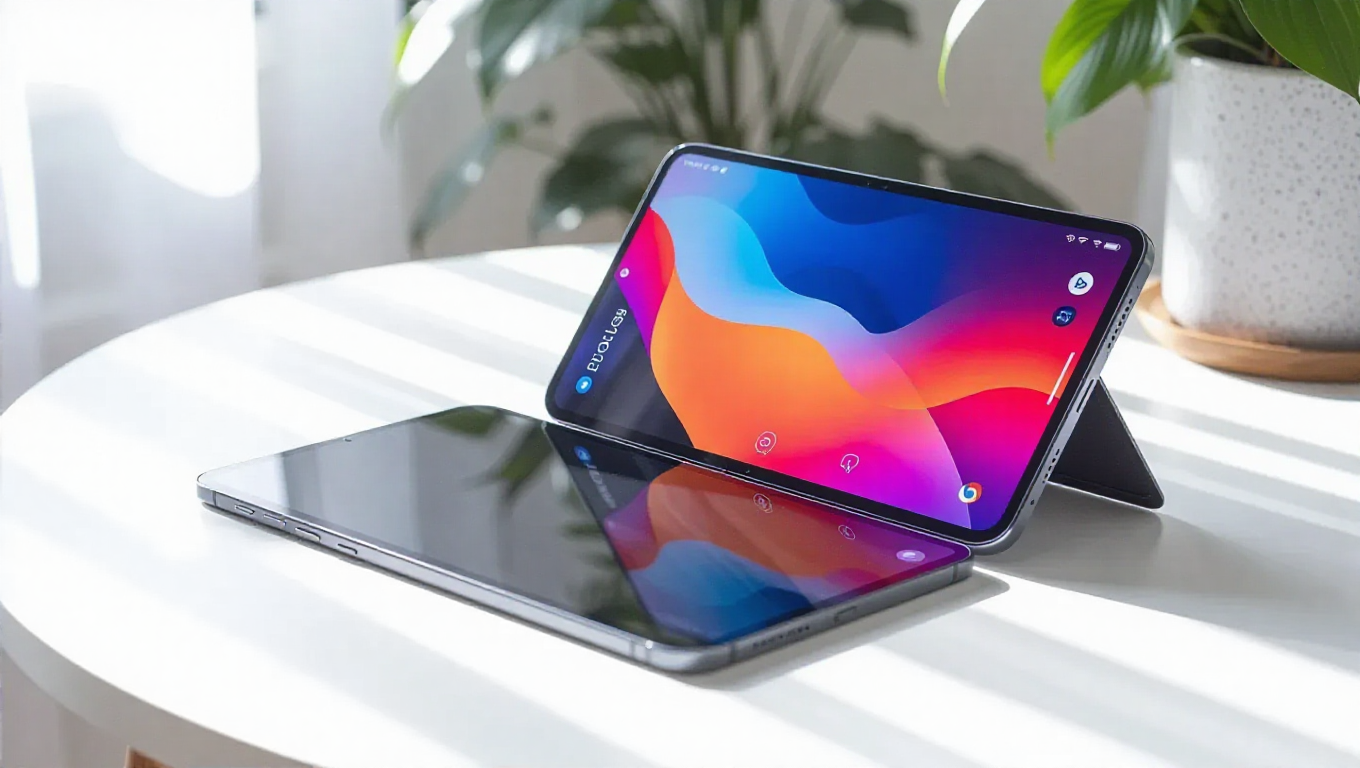
The year 2026 is poised to be a watershed moment for foldable smartphones. With Samsung preparing to launch the Galaxy Z TriFold, Motorola entering the book-style foldable market with the Razr Fold, and Apple finally expected to debut its long-anticipated iPhone Fold, the technology appears ready for mass adoption. This convergence of major players represents the industry's most significant push yet to make foldables mainstream. Yet despite this momentum, some remain skeptical about whether the time is right to embrace these devices.
The Promise Versus the Reality
Foldable phones offer an enticing proposition: the portability of a smartphone combined with the screen real estate of a tablet. The technology has evolved significantly since its early days, with improvements in hinge mechanisms, display durability, and software optimization. Manufacturers have addressed many of the initial concerns that plagued first-generation devices, making foldables more reliable and user-friendly than ever before.
However, fundamental challenges persist. The crease in the display, while less noticeable than in earlier models, remains a visible reminder of the device's mechanical nature. Durability concerns, particularly regarding the folding mechanism and screen protection, continue to give pause to potential buyers who expect their expensive devices to withstand daily use for years. Additionally, the added thickness and weight compared to traditional smartphones can make these devices less comfortable to carry and use in certain situations.
Practical Considerations
Beyond technical specifications, practical considerations play a significant role in consumer hesitation. The premium pricing of foldable devices places them in a category that demands exceptional justification. For many users, the incremental benefits don't outweigh the substantial cost increase over traditional flagship smartphones. The utility of a larger screen, while appealing for media consumption and multitasking, may not justify the trade-offs for users whose smartphone usage patterns don't regularly demand tablet-sized displays.
Software optimization, while improved, still presents challenges. Not all applications take full advantage of the unique form factor, leading to inconsistent user experiences. The transition between folded and unfolded states can sometimes feel disjointed, with apps not always adapting smoothly to the changing screen dimensions. These software considerations, combined with the physical compromises, create a user experience that remains less seamless than that of traditional smartphones.
The Future of Foldables
Despite current reservations, the foldable market's trajectory suggests continued innovation and refinement. The entry of Apple into the space is particularly significant, as the company's design philosophy and ecosystem integration could address some of the existing shortcomings. As manufacturing processes improve and economies of scale develop, prices may become more accessible to a broader range of consumers.
The technology's evolution will likely focus on making foldables thinner, lighter, and more durable while reducing or eliminating the visible crease. Battery technology improvements could address current limitations in power management across the larger displays. As these advancements materialize, the value proposition of foldable devices may become more compelling to mainstream consumers.
Conclusion
While 2026 represents a pivotal year for foldable smartphones with major manufacturers fully committing to the technology, adoption barriers remain significant for some consumers. The combination of premium pricing, durability concerns, and practical limitations creates hesitation even as the devices become more refined. For those whose usage patterns don't regularly demand larger screens, traditional smartphones continue to offer a more reliable and cost-effective solution. As the technology matures and addresses current limitations, foldables may eventually become the default choice for most smartphone users, but for now, cautious observation rather than immediate adoption seems prudent for many.