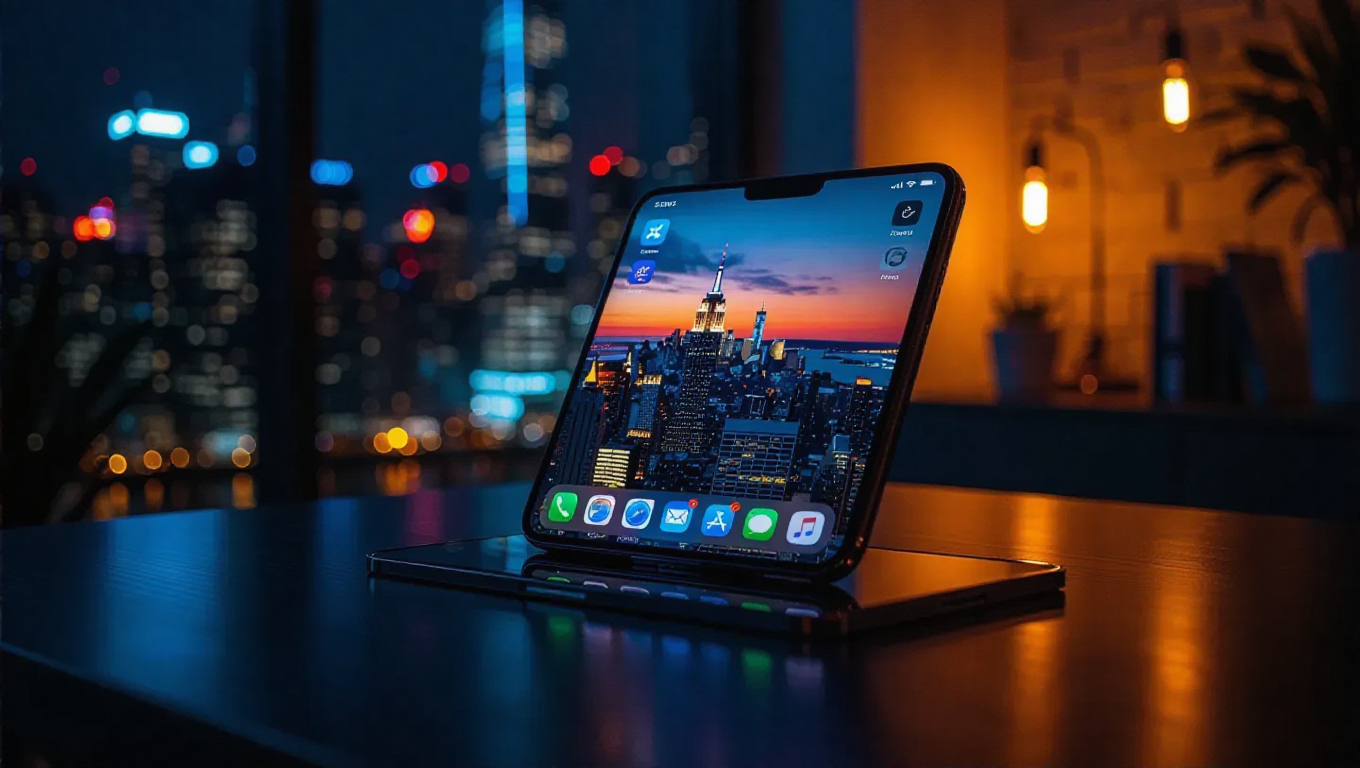
Foldable Smartphone Market Poised for Sustainable Growth in 2026
The foldable smartphone market is on the cusp of a significant transformation. After a period of inventory normalization and cautious releases in 2025, 2026 is projected to mark the beginning of a more aggressive and sustainable expansion phase for this innovative device category.
A Shift in Market Dynamics
Technological refinements and improved execution have fundamentally altered the landscape. Book-style foldables, which open like a book to reveal a larger inner display, have surged in popularity. They now command over half of all foldable sales, a share that is expected to grow significantly this year. This shift is attributed to hardware that has matured beyond being a mere novelty.
Consumer perception has evolved in tandem. Foldables are increasingly viewed not as fragile tech showcases, but as legitimate productivity tools offering tangible value. The larger screens facilitate multitasking, content creation, and media consumption in ways traditional smartphones cannot match, justifying their premium positioning for a growing segment of users.
The Apple Catalyst and Competitive Response
A major catalyst for the market's anticipated growth is the expected launch of Apple's first foldable iPhone in the fall. Its entry is poised to validate the category for a broader audience and significantly boost overall foldable sales volumes.
In anticipation, competing manufacturers are reportedly refining their strategies. The focus is intensifying on the book-style form factor, with rumors suggesting several brands are developing wider-format devices to compete directly with the anticipated iPhone Fold. This indicates a strategic pivot towards competing on the core productivity experience that larger foldable displays enable, rather than just form-factor experimentation.
A Diversified Future
While book-style foldables will lead the charge in the premium and productivity segments, the clamshell design—which folds vertically into a more compact size—is not fading away. It is expected to remain a key player, serving as a complementary device within style-led and entry-premium market segments. This dual-track approach allows the foldable market to cater to diverse consumer needs: expansive screens for power users and compact, fashionable designs for others.
Conclusion: A New Chapter Begins
The foldable smartphone market is maturing. Moving past early adopter cycles and inventory corrections, 2026 represents the start of a chapter defined by mainstream value propositions, fierce competition spurred by Apple's entry, and a clear segmentation between productivity-focused book-style devices and compact clamshell models. The convergence of better technology, shifting consumer acceptance, and heightened competition sets the stage for the most significant growth phase the foldable category has seen yet.