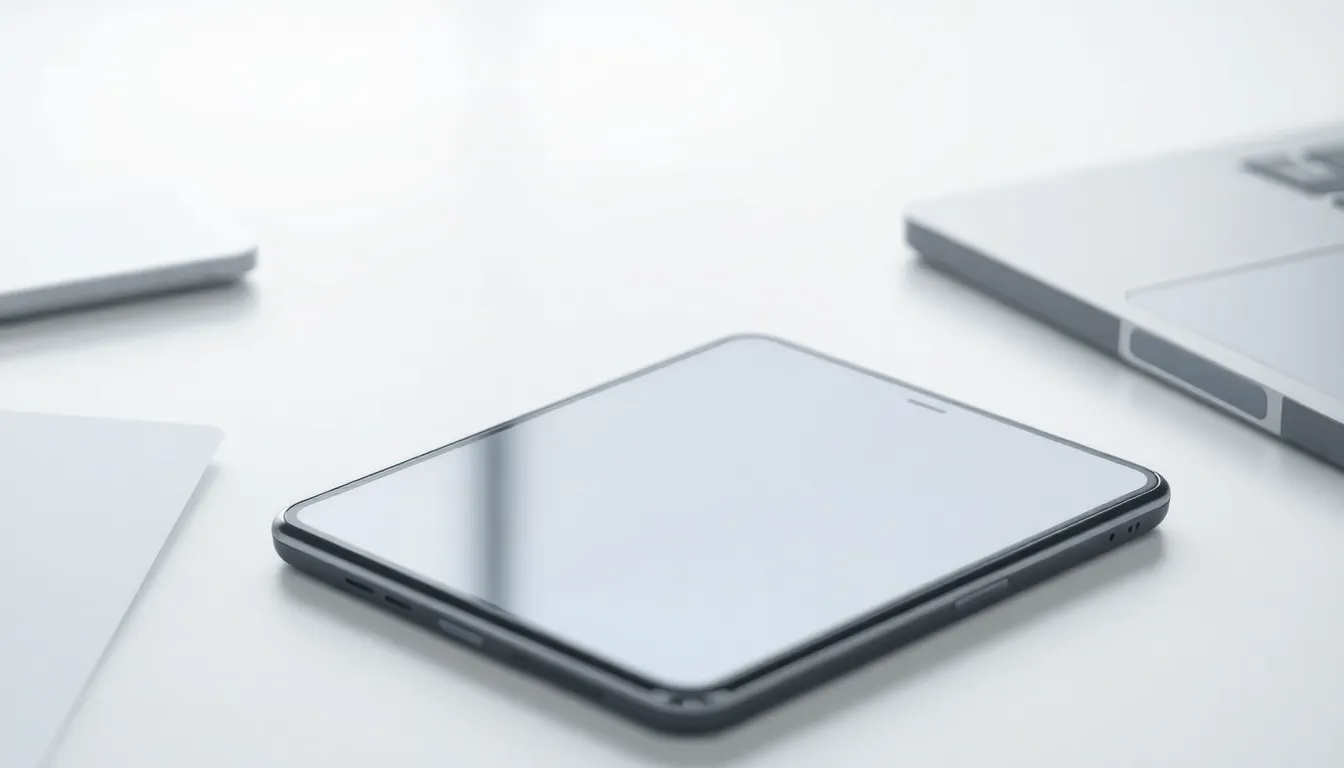
Foldable Phones Transition from Novelty to Mainstream Choice
For years, foldable phones have been positioned as futuristic gadgets—interesting to look at, but not necessarily practical for everyday use. However, recent data suggests that perception is changing dramatically. What was once considered a niche product category is now gaining serious traction among consumers, with many viewing foldables as legitimate alternatives to traditional smartphones.
The Evolution of Foldable Technology
The foldable phone market has matured significantly since the first devices debuted approximately seven years ago. Initially plagued by durability concerns and high price points, today's foldables have undergone multiple revisions and improvements. Most major manufacturers now offer at least one foldable model, ranging from highly refined devices that have benefited from several generations of refinement to more experimental designs that push the boundaries of what's possible with flexible displays.
This proliferation of options has created a more competitive landscape where manufacturers must address real-world usability concerns rather than simply showcasing technological prowess. The result has been devices that better withstand daily wear and tear while offering meaningful advantages in screen real estate and multitasking capabilities.
Changing Consumer Perceptions
Perhaps the most telling indicator of foldable phones' growing acceptance comes from consumer surveys. When asked whether they would consider using a foldable as their primary device in the near future, a significant portion of respondents indicated they would. This represents a notable shift from earlier attitudes that viewed foldables as novelty items or secondary devices.
The data suggests that as foldable technology has matured, so too has consumer confidence in these devices. What was once seen as experimental technology is increasingly viewed as a practical choice for those seeking larger screens without sacrificing portability. The ability to transition between phone and tablet-like experiences in a single device appears to be resonating with users who value versatility in their mobile technology.
The Path Forward for Foldables
While foldable phones have made significant strides, challenges remain. Price continues to be a barrier for many consumers, with most foldables commanding premium prices that exceed those of traditional flagship smartphones. Durability concerns, though diminished, still linger in the minds of some potential buyers who worry about the long-term reliability of folding mechanisms and flexible displays.
Nevertheless, the trajectory appears positive. As manufacturing processes improve and economies of scale potentially bring down costs, foldable phones could become more accessible to a broader range of consumers. The growing acceptance indicated by recent surveys suggests that the market is ready for this transition, provided manufacturers continue to address remaining concerns about reliability and value.
Conclusion
The days of viewing foldable phones as mere novelties appear to be ending. What began as experimental technology has evolved into a legitimate product category with growing consumer acceptance. While not yet mainstream in terms of market share, foldable phones have clearly moved beyond their initial status as technological curiosities. As the technology continues to mature and consumer confidence grows, these devices seem poised to become increasingly common sights in pockets and purses around the world, representing not just what's possible in smartphone design, but what's practical for daily use.