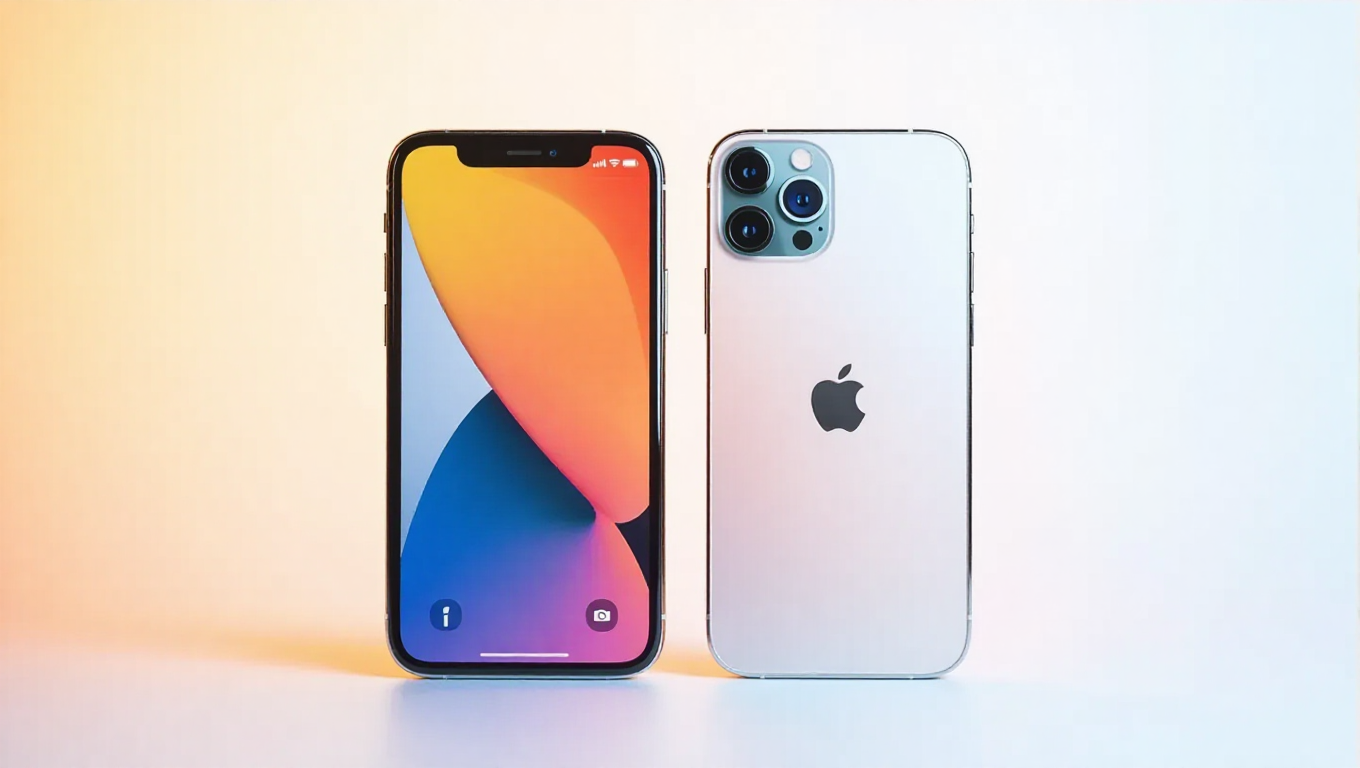
Flat vs Curved Frames: The Galaxy Design Debate That Won't Go Away
In the world of smartphone design, some debates persist long after manufacturers have made their choices. The subtle distinction between flat and curved frames on Samsung Galaxy devices represents one such ongoing conversation among enthusiasts and everyday users alike.
The Evolution of Galaxy Frame Design
Samsung's modern Galaxy S portfolio has seen a gradual shift in frame philosophy. The Galaxy S22, S22+, S23, and S23+ models featured slightly curved frames, creating a distinct design language that differentiated them from earlier generations. With the introduction of the Galaxy S24 and S24+, Samsung maintained the overall design aesthetic but implemented a significant change by flattening the frames entirely.
This transition from curved to flat frames might seem like a minor adjustment, but it represents a fundamental shift in how these devices feel in hand and present themselves visually. The change has sparked considerable discussion about which approach offers the better user experience.
The Case for Curved Frames
Curved frames, as seen on the Galaxy S22 and S23 series, offer one primary advantage that continues to resonate with users: superior comfort. The gentle curvature of these frames creates a more natural fit in the palm, reducing pressure points and making extended one-handed use more pleasant. Many users report that devices with curved frames feel significantly more comfortable during daily use, particularly for those with smaller hands or those who prefer using their phones without cases.
This comfort advantage proves substantial enough that some users continue to prefer older curved-frame models over their flat-frame successors, despite the newer devices offering improved performance and features.
The Advantages of Flat Frames
Flat frames, as implemented on the Galaxy S24 and S25 series, bring several distinct benefits to the table. Visually, flat frames create the illusion of thinner screen bezels, giving devices a more modern and streamlined appearance. Many observers consider flat frames to appear more premium, contributing to a device's overall aesthetic appeal.
Beyond aesthetics, flat frames offer practical advantages. They provide a more solid, substantial feel in hand, though this comes at the cost of some comfort compared to curved alternatives. Perhaps most notably, flat frames enable users to carefully place their phones on their sides without additional support, a minor but occasionally useful feature for media consumption or temporary placement.
The Comfort vs Practicality Dilemma
When comparing the two approaches objectively, flat frames appear to offer more advantages on paper. However, the subjective experience of comfort provided by curved frames creates a persistent dilemma for many users. The significantly improved hand feel of curved-frame devices makes the choice less clear-cut than a simple tally of benefits might suggest.
This creates an interesting tension between immediate physical comfort and long-term practical benefits. Some users find themselves weighing whether the superior comfort of curved frames justifies sacrificing the visual and functional advantages of flat frames.
Looking Toward the Future
The ongoing debate suggests there might be room for both design philosophies in future smartphone lineups. Rather than committing exclusively to one approach, manufacturers could potentially benefit from offering both curved and flat frames across different models or sizes.
Larger devices might benefit more from curved frames to enhance comfort during extended use, while smaller phones could leverage flat frames to maximize their compact appearance. This dual approach could allow users to choose the design that best matches their priorities and hand size.
Conclusion
The flat versus curved frame debate highlights how even subtle design choices can significantly impact user experience. While flat frames offer clear advantages in aesthetics and practicality, the superior comfort of curved frames continues to resonate with many users. As smartphone design evolves, this ongoing conversation demonstrates that user preferences remain diverse, and what works best often depends on individual priorities and usage patterns.
Ultimately, the persistence of this debate suggests that both design approaches have merit, and the ideal solution might involve offering choices rather than settling on a single universal design philosophy.