Fairphone 6: The Sustainable Android Phone the US Market Lacks
The North American smartphone landscape is notoriously concentrated, dominated by a select few major players. This leaves little room for innovation beyond the mainstream, creating a market ripe for disruption by brands offering distinct value propositions. The Fairphone 6 enters this arena not with sheer power or camera specs, but with a foundational commitment to sustainability and user repairability, presenting a compelling alternative for conscious consumers.
A Market in Need of Disruption
The US smartphone industry is characterized by its limited brand diversity. A handful of large corporations control the vast majority of the market, creating an environment where competition often revolves around incremental upgrades within established product lines. For a new or smaller brand to gain traction, it must offer something fundamentally different that the giants either cannot or will not provide. This could be a unique feature, a novel design philosophy, or a value proposition that resonates on a different level than pure performance.
The Fairphone Proposition: Sustainability First
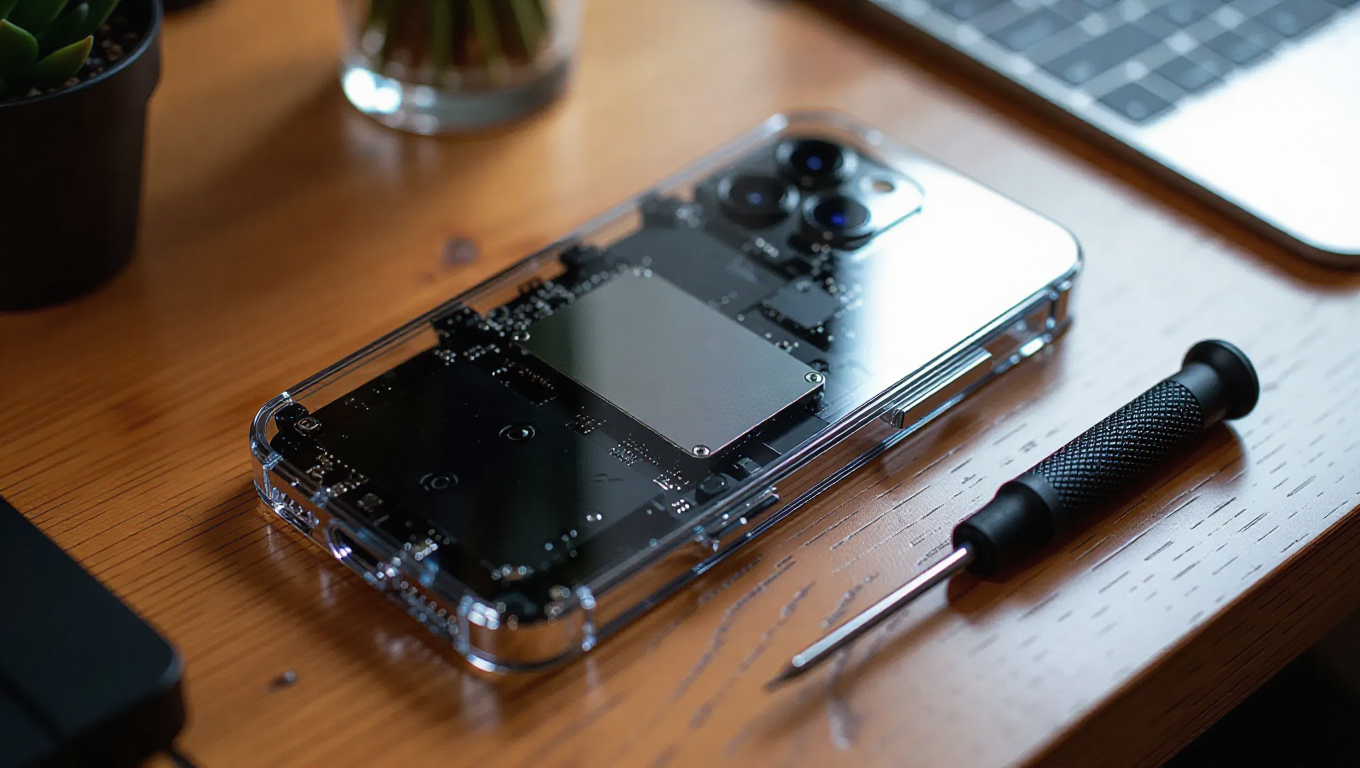
The Fairphone 6's core differentiator is its design ethos. It is built around the principles of longevity, repairability, and ethical sourcing. The phone features a modular construction, allowing users to easily replace components like the battery, display, or camera modules with standard tools. This approach directly challenges the industry norm of planned obsolescence and difficult repairs, aiming to extend the device's lifespan significantly.
Beyond hardware, the company emphasizes responsible supply chains, focusing on conflict-free minerals and better labor practices. This holistic focus on environmental and social impact provides a value proposition that mainstream flagships typically do not prioritize, appealing to a growing segment of consumers concerned with the ethical footprint of their technology.
Filling a Niche in a Saturated Market
While it may not compete on the bleeding edge of processor speed or camera megapixels, the Fairphone 6 succeeds by carving out a clear and necessary niche. It answers a demand for electronics that are built to last and can be maintained by their owners, reducing e-waste and consumer cost over time. In a market where choices often feel homogenized, it offers a tangible alternative for those who prioritize sustainability and right-to-repair principles over having the absolute latest specs.
Conclusion: A Welcome Alternative
The Fairphone 6 represents exactly the kind of innovation the US smartphone market needs more of: innovation in product philosophy, not just product specifications. By championing repairability and ethical production, it provides a meaningful choice for consumers looking to align their purchases with their values. Its presence challenges the industry status quo and demonstrates that there is viable demand for smartphones designed with longevity and responsibility in mind. Whether it can capture significant market share remains to be seen, but its very existence enriches the consumer landscape with a much-needed alternative perspective.