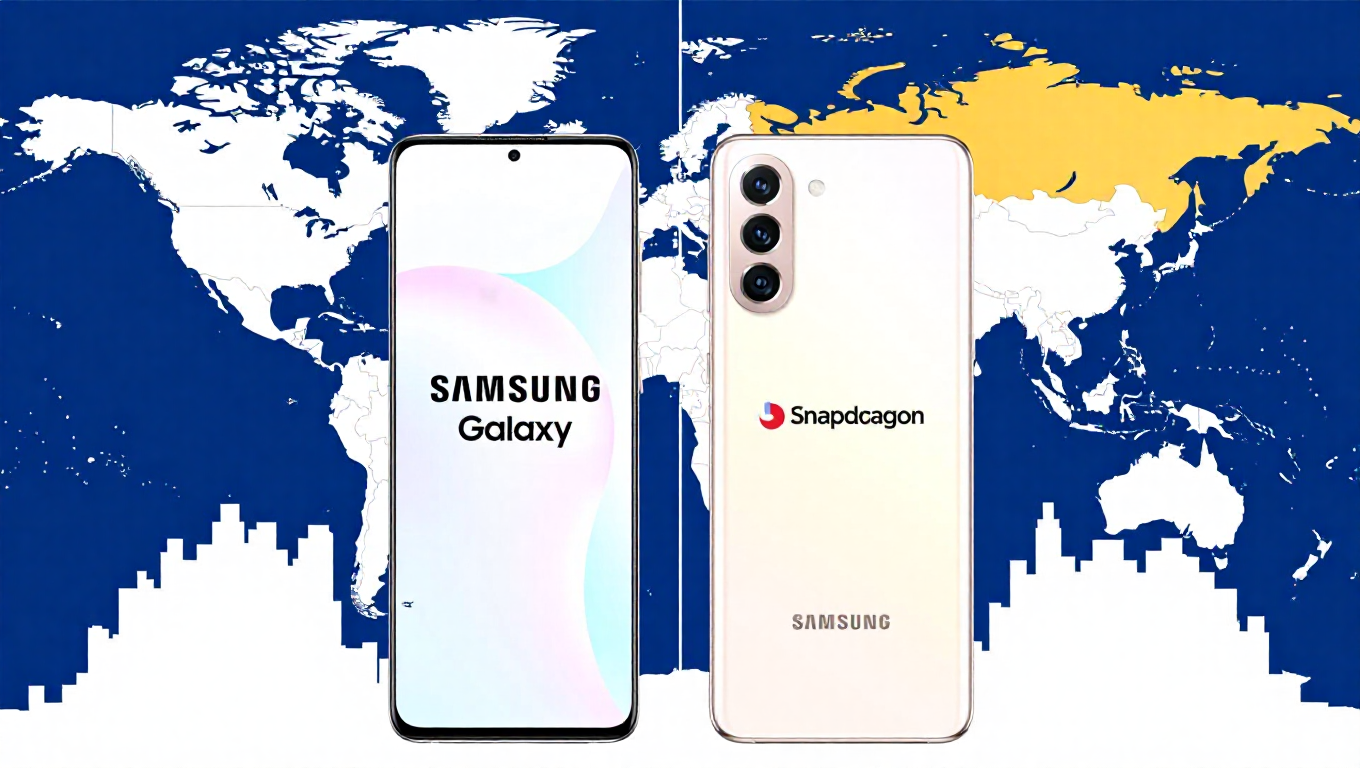
Exynos vs Snapdragon: All the Ways Global Galaxies Will Be Different This Year
The upcoming Samsung Galaxy S26 series represents a significant moment in smartphone hardware strategy, with regional chipset variations poised to create distinct experiences for users worldwide. While the phones will share many design and software features, the underlying processors will differ substantially depending on where and which model consumers purchase.
Chipset Distribution Strategy
Samsung appears to be continuing its dual-chipset approach for the Galaxy S26 lineup, though with some notable adjustments from previous years. The baseline Galaxy S26 and S26 Plus models destined for most global markets are expected to feature Samsung's own Exynos 2600 processor. This represents a return to in-house silicon for many regions that had previously received Qualcomm alternatives.
Meanwhile, the United States market, along with select regions like China, will reportedly receive the same models powered by Qualcomm's Snapdragon 8 Elite Gen 5 chipset. Additionally, all Galaxy S26 Ultra models worldwide, regardless of region, are said to feature the Snapdragon processor, creating a consistent high-end experience across global markets for Samsung's flagship device.
Performance Implications
The chipset divergence creates several potential differences between regional variants. Historically, Exynos and Snapdragon processors have exhibited variations in CPU and GPU performance, thermal management, and power efficiency. The Exynos 2600 is expected to feature Samsung's latest manufacturing process and architectural improvements, while the Snapdragon 8 Elite Gen 5 represents Qualcomm's most advanced mobile platform to date.
These differences may translate to varying benchmark results, gaming performance, and battery life between otherwise identical-looking devices. Camera processing, AI capabilities, and modem performance could also show regional variations based on the different silicon solutions.
Market Considerations
Samsung's regional chipset strategy reflects complex market dynamics, including carrier requirements, consumer preferences, and competitive positioning. The decision to equip all Ultra models with Snapdragon processors suggests a desire for consistency at the premium tier, where performance expectations are highest. Meanwhile, the regional variations for standard and Plus models may reflect cost considerations, supply chain logistics, or market-specific requirements.
This approach creates a situation where consumers in different parts of the world will experience slightly different versions of what is marketed as the same device. The success of this strategy will depend on how well Samsung can minimize performance gaps between the two chipset implementations.
Conclusion
The Galaxy S26 series' dual-chipset approach represents both continuity and change in Samsung's global smartphone strategy. While regional variations are not new for the company, the specific distribution patterns for 2025 suggest refined market segmentation. Consumers should be aware that their Galaxy S26 experience may vary depending on their location and chosen model, with the Ultra offering the most consistent global specification. As the mobile industry continues to evolve, Samsung's chipset strategy will be closely watched as a bellwether for how manufacturers balance global scale with regional optimization.