Exposed: The World's Most Censored and Surveilled Android Phones
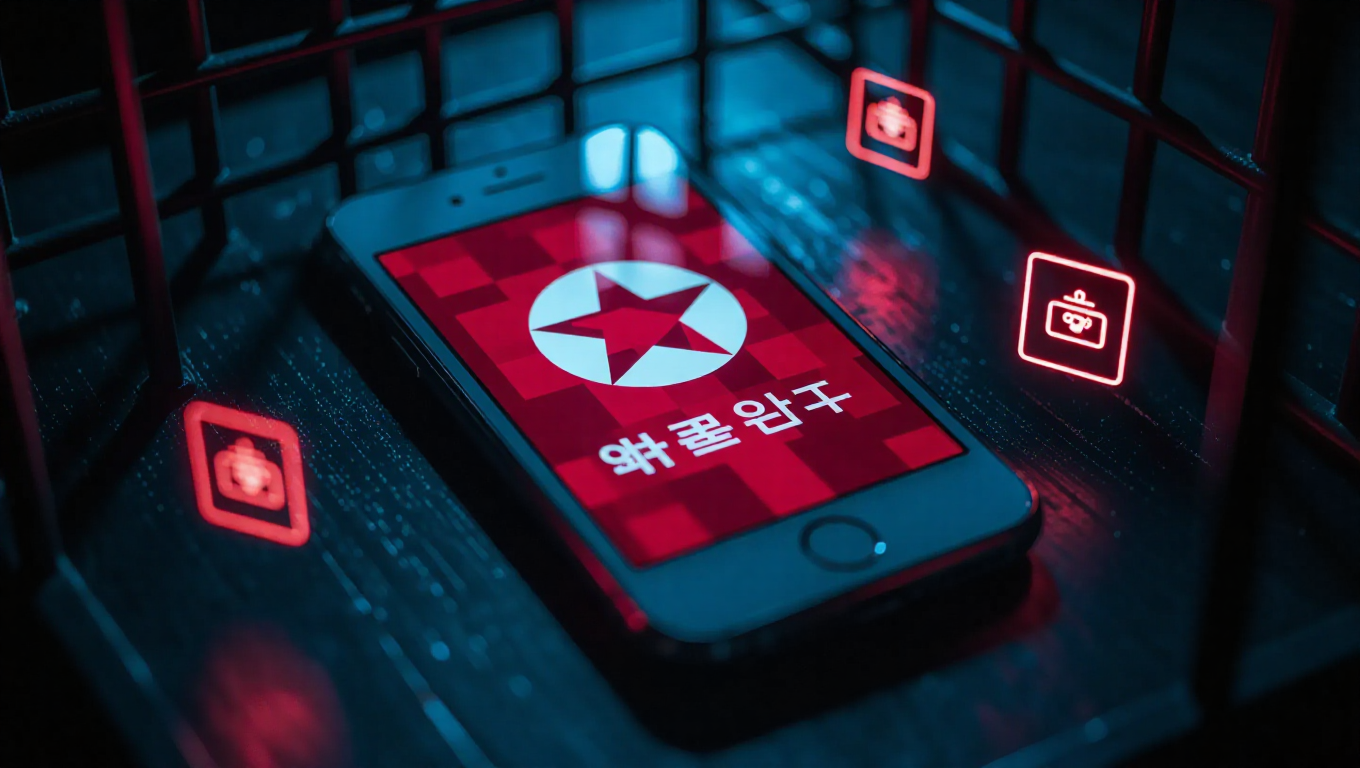
In a revealing investigation, the inner workings of North Korean smartphones have been exposed, showcasing unprecedented levels of state-controlled surveillance and censorship. These devices, never intended for international scrutiny, demonstrate how technology can be weaponized to monitor citizens and control information access at the most fundamental level.
Totalitarian Technology Architecture
The operating system architecture of these devices represents a complete departure from conventional Android implementations. Every component has been redesigned to serve state surveillance purposes rather than user functionality. The devices operate within a closed ecosystem where even basic computing tasks become instruments of control.
Internet access is systematically blocked, with the devices only able to connect to a heavily restricted national intranet. This digital isolation ensures citizens cannot access global information sources or communicate beyond state-approved channels. The system represents one of the most comprehensive digital firewalls ever implemented on consumer devices.
Covert Surveillance Mechanisms
Perhaps most alarming are the hidden surveillance features that operate without user knowledge or consent. The devices automatically capture screenshots at regular intervals, creating a comprehensive record of user activity. These screenshots are stored in inaccessible system partitions and are believed to be transmitted to government monitoring systems.
File access restrictions prevent users from managing their own data, with all storage operations monitored and controlled by system-level permissions. The devices maintain detailed logs of application usage, file transfers, and even typing patterns, creating a complete digital profile of each user's behavior and preferences.
Propaganda Integration and Content Control
The devices come pre-loaded with government propaganda applications that cannot be removed or disabled. These apps feature state-approved content, political messaging, and ideological training materials that users are effectively forced to engage with as part of normal device operation.
Keyword filtering systems monitor all text input, blocking any terms deemed politically sensitive or critical of the regime. The censorship extends beyond simple blocking to include reporting mechanisms that flag suspicious content for further investigation by authorities.
Application Installation Restrictions
Installing even basic applications requires government approval through a centralized authorization system. Users cannot download apps from standard sources or install software from external storage. Each application request undergoes scrutiny to ensure compliance with state guidelines and political requirements.
The approval process involves multiple layers of bureaucratic oversight, with decisions based on both the application's functionality and its potential political implications. This creates a computing environment where innovation and personal choice are systematically eliminated in favor of state control.
Conclusion: The Ultimate Digital Prison
These devices represent the extreme endpoint of state surveillance technology, where personal computing becomes an instrument of control rather than empowerment. The comprehensive monitoring, censorship, and propaganda integration demonstrate how technology can be perverted to eliminate privacy and freedom in the digital age.
The exposure of these systems serves as a stark warning about the potential for similar surveillance architectures to emerge in other contexts. As technology becomes increasingly integrated into daily life, the balance between security and freedom, control and innovation, remains one of the most critical challenges facing modern society.