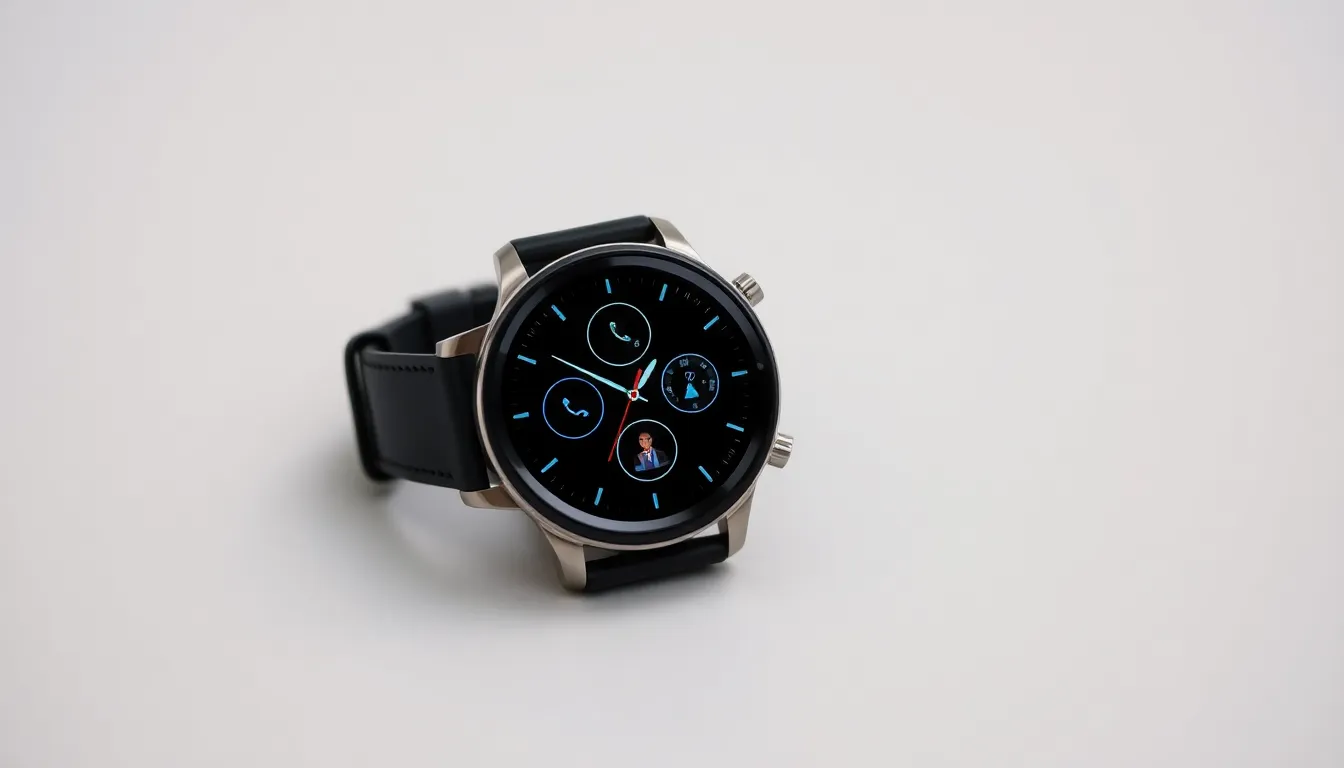
Do Galaxy Watch Owners Actually Use Gemini? Survey Reveals Surprising Results
Smartwatches present an ideal platform for voice assistants—the compact screens make touch navigation challenging, and users typically have more modest expectations for what they can accomplish on their wrist. With the integration of Gemini across Wear OS devices, including Galaxy Watches, the stage seemed set for widespread adoption. However, recent survey data reveals a surprising reality about how many people actually utilize this AI assistant on their wearable devices.
The Promise of Voice Assistants on Smartwatches
The fundamental design of smartwatches naturally lends itself to voice-based interaction. The limited screen real estate makes typing and complex navigation difficult, creating a perfect environment for hands-free voice commands. Industry observers have long noted that smartwatches could be the breakthrough platform for voice assistant technology, offering convenience without the need to pull out a smartphone.
Previous attempts to establish voice assistants on wearables have seen varying degrees of success. The technology has been available on various platforms for years, with companies positioning these assistants as essential tools for quick information retrieval, setting reminders, controlling smart home devices, and managing notifications—all without touching the device.
Survey Findings: Lower Than Expected Adoption
Despite the logical fit between smartwatches and voice assistants, recent survey data indicates that Gemini usage on Galaxy Watches remains surprisingly limited. The findings suggest that having access to advanced AI technology doesn't necessarily translate to regular usage patterns among watch owners.
The data reveals that many Galaxy Watch users either don't activate Gemini at all or use it only sporadically. This pattern emerges despite the assistant being readily available and capable of handling a wide range of tasks that align with typical smartwatch use cases. The gap between technological availability and actual user adoption appears wider than many industry analysts anticipated.
Potential Factors Behind the Usage Gap
Several factors may contribute to the lower-than-expected adoption rates. Some users report privacy concerns about having an always-listening device on their wrist, while others mention that they simply forget the assistant is available. The convenience of using a smartphone for more complex tasks might also play a role in limiting voice assistant usage on watches.
Additionally, user habits and established routines can be difficult to change. Many Galaxy Watch owners have developed workflows that don't incorporate voice commands, making it challenging to integrate Gemini into their daily smartwatch usage. The learning curve associated with understanding what the assistant can and cannot do effectively may also deter regular use.
Industry Implications and Future Outlook
The survey results highlight an important challenge for technology companies: making advanced features accessible and intuitive enough that users will incorporate them into their daily routines. Simply providing the technology isn't sufficient—companies must also focus on user education, interface design, and creating compelling use cases that demonstrate clear value.
Looking forward, industry watchers suggest that as AI assistants become more sophisticated and better integrated with other devices and services, adoption rates may naturally increase. Improved contextual awareness, better understanding of natural language, and more seamless integration with popular apps could make voice assistants more indispensable to the smartwatch experience.
Conclusion
The survey findings present a nuanced picture of AI assistant adoption on smartwatches. While Galaxy Watches offer advanced Gemini functionality that seems perfectly suited to the wearable format, actual usage patterns don't yet match the technology's potential. This gap between capability and adoption serves as a reminder that successful technology integration requires more than just technical availability—it demands user education, intuitive design, and compelling reasons for people to change their established habits.
As smartwatch technology continues to evolve, and as AI assistants become more sophisticated, the relationship between users and their wearable assistants may transform. For now, the survey results suggest that the journey toward widespread voice assistant adoption on smartwatches still has significant ground to cover.