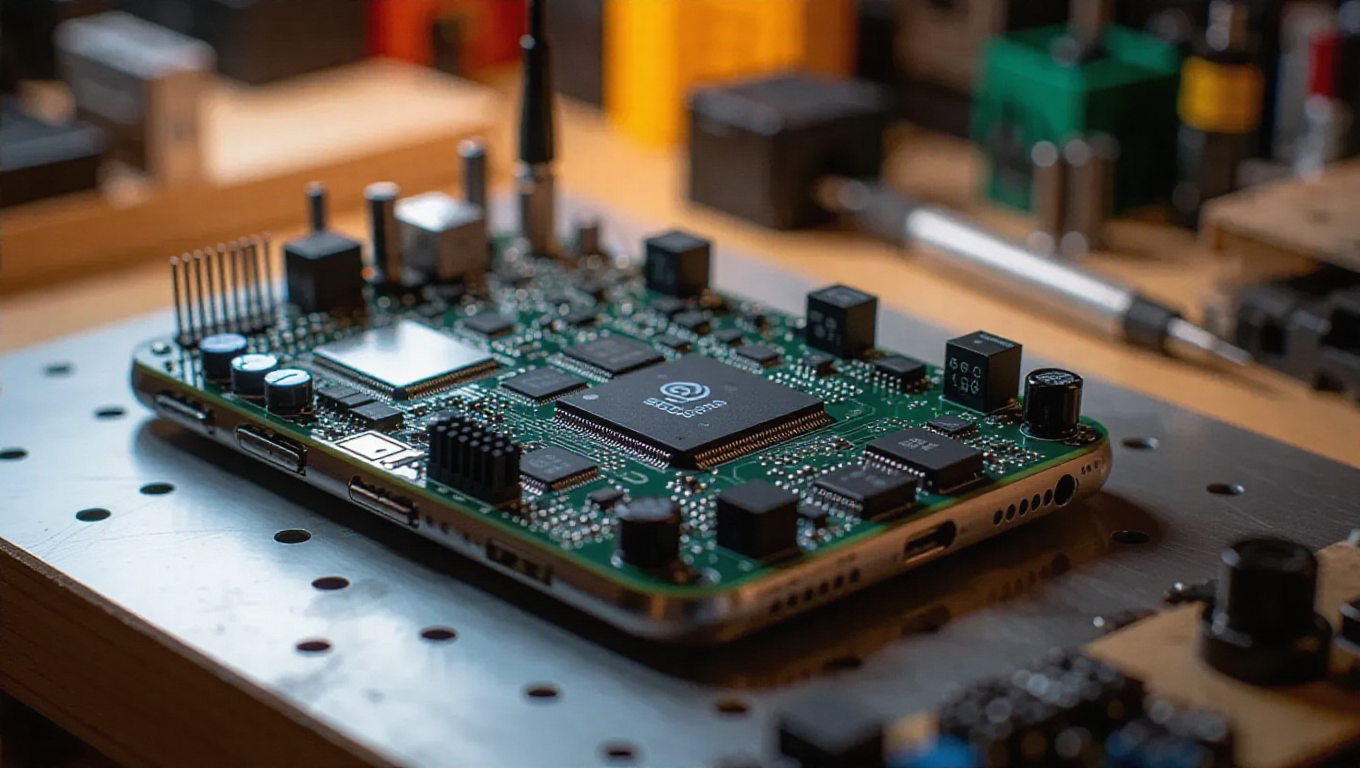
DIY 4G Smartphone Built on ESP32 Platform Sparks Community Excitement
The maker community continues to push the boundaries of what's possible with accessible hardware, and a recent project demonstrates this creativity at its finest. A developer has successfully created a functional 4G smartphone using the ESP32 microcontroller, showcasing engineering ingenuity that has captured widespread attention.
An Impressive Technical Achievement
This project represents a significant technical accomplishment in the DIY electronics space. The ESP32, while powerful for IoT applications, isn't typically associated with full smartphone functionality. The fact that someone has managed to integrate 4G connectivity, display capabilities, and presumably basic smartphone functions on this platform is remarkable. It demonstrates how creative engineering can overcome hardware limitations that might seem insurmountable at first glance.
Community Reaction and Open-Source Enthusiasm
The project's reveal generated immediate excitement within technical communities. The response has been overwhelmingly positive, with many expressing eagerness to learn about the implementation details. There's particular interest in the hardware components used, the software architecture, and how the developer managed power management and connectivity challenges. The open-source nature of such projects typically means that documentation and code will eventually become available, allowing others to replicate or build upon the work.
What This Means for DIY Electronics
Projects like this serve as inspiration for the entire maker community. They demonstrate that with sufficient knowledge and creativity, even complex modern technology like smartphones can be recreated using accessible components. While this ESP32 smartphone likely doesn't compete with commercial devices in terms of performance or features, its existence proves important concepts about hardware accessibility and the democratization of technology development. It shows that the barrier to creating functional communication devices is lower than many might assume.
Conclusion
The ESP32-based 4G smartphone project stands as a testament to the innovation happening in DIY electronics communities. While commercial smartphones will continue to dominate the market with their refined experiences, projects like this remind us of the fundamental principles of technology and the joy of creating functional devices from basic components. The enthusiasm surrounding this project suggests we'll see more ambitious builds in the future as makers continue to explore the limits of accessible hardware platforms.